Accessibility & Inclusivity Considerations
Why accessibility belongs at the center of city event planning
Accessibility & inclusivity considerations shape whether a public event feels welcoming to the whole community or only comfortable for part of it. For cities, parks departments, downtown associations, and community organizers, the goal isn't just to host something exciting. It's to create an experience that older residents, families with young children, veterans, people with mobility needs, and guests who are sensitive to noise or crowds can all enjoy. That matters because the strongest civic events bring people together, and thoughtful design choices can make that possible without shrinking the sense of spectacle.
Inclusive events work better when the viewing experience is designed for real people
A city celebration may look accessible on paper and still leave people out in practice. Dense crowds, limited seating, blocked sightlines, long walking distances, and overwhelming noise can all turn a public gathering into something many residents decide to skip. When planners want truly inclusive community events, accessibility has to extend beyond ramps and parking into the way the show is experienced from arrival to departure.
That's one reason many municipalities now look at alternative event formats that support accessible event planning more naturally. Aerial drone performances can help cities offer a quiet fireworks alternative for residents who want a large-scale visual moment without the same intensity many people associate with traditional finales. In the right setting, that can also support sensory friendly fireworks goals by reducing sudden explosive noise and giving planners more control over pacing, soundtrack, and viewing layout.
Northern Lights Drone Shows has seen this firsthand across civic events nationwide. As a trusted choice for organizations ranging from municipalities to major brands, Northern Lights Drone Shows creates FAA-compliant aerial displays tailored to the audience and the venue. That experience matters when a city isn't simply asking what will impress a crowd, but what will allow more people to feel included in the first place.
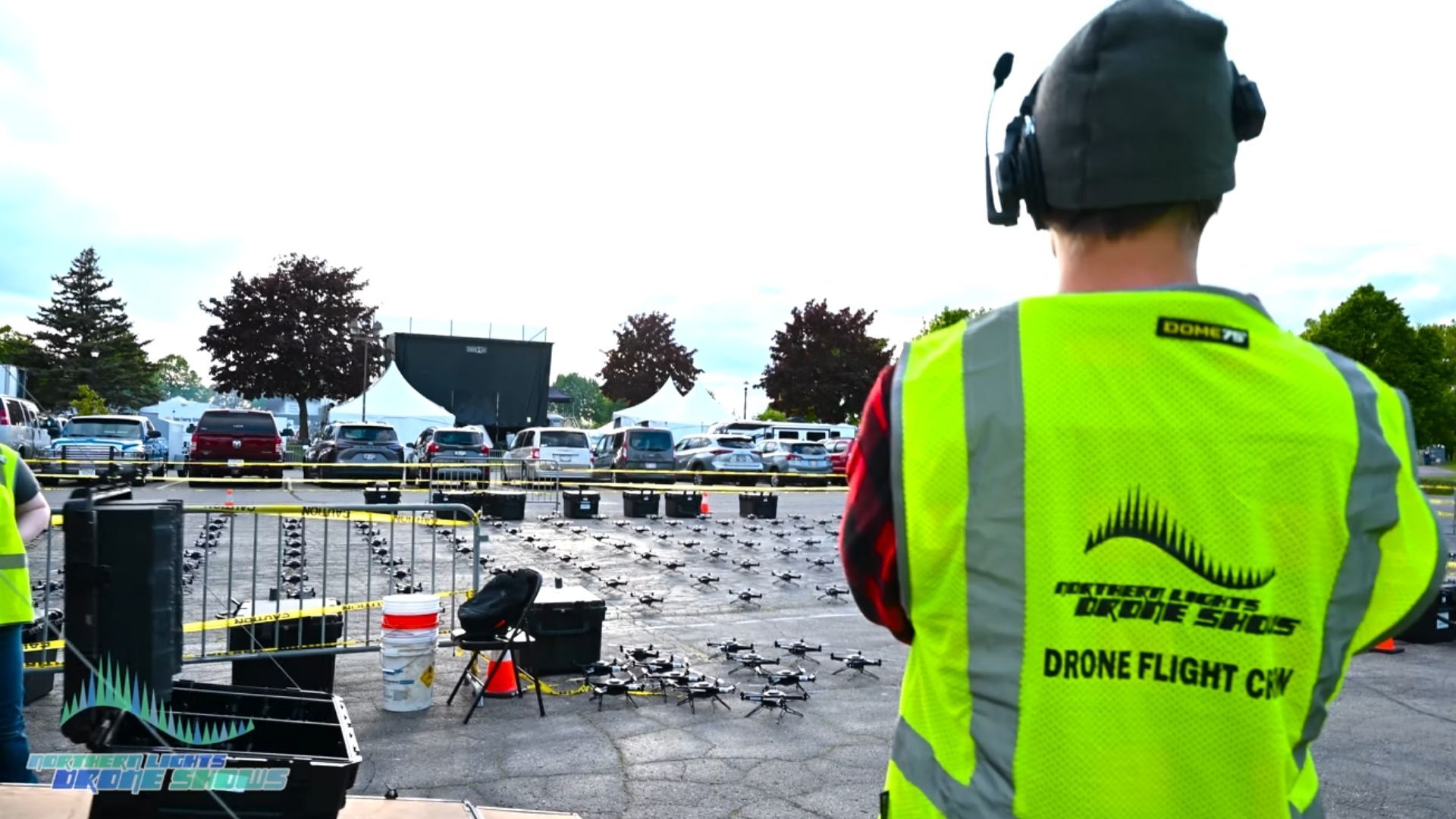
The best accessibility plans start with sightlines, seating, and crowd flexibility
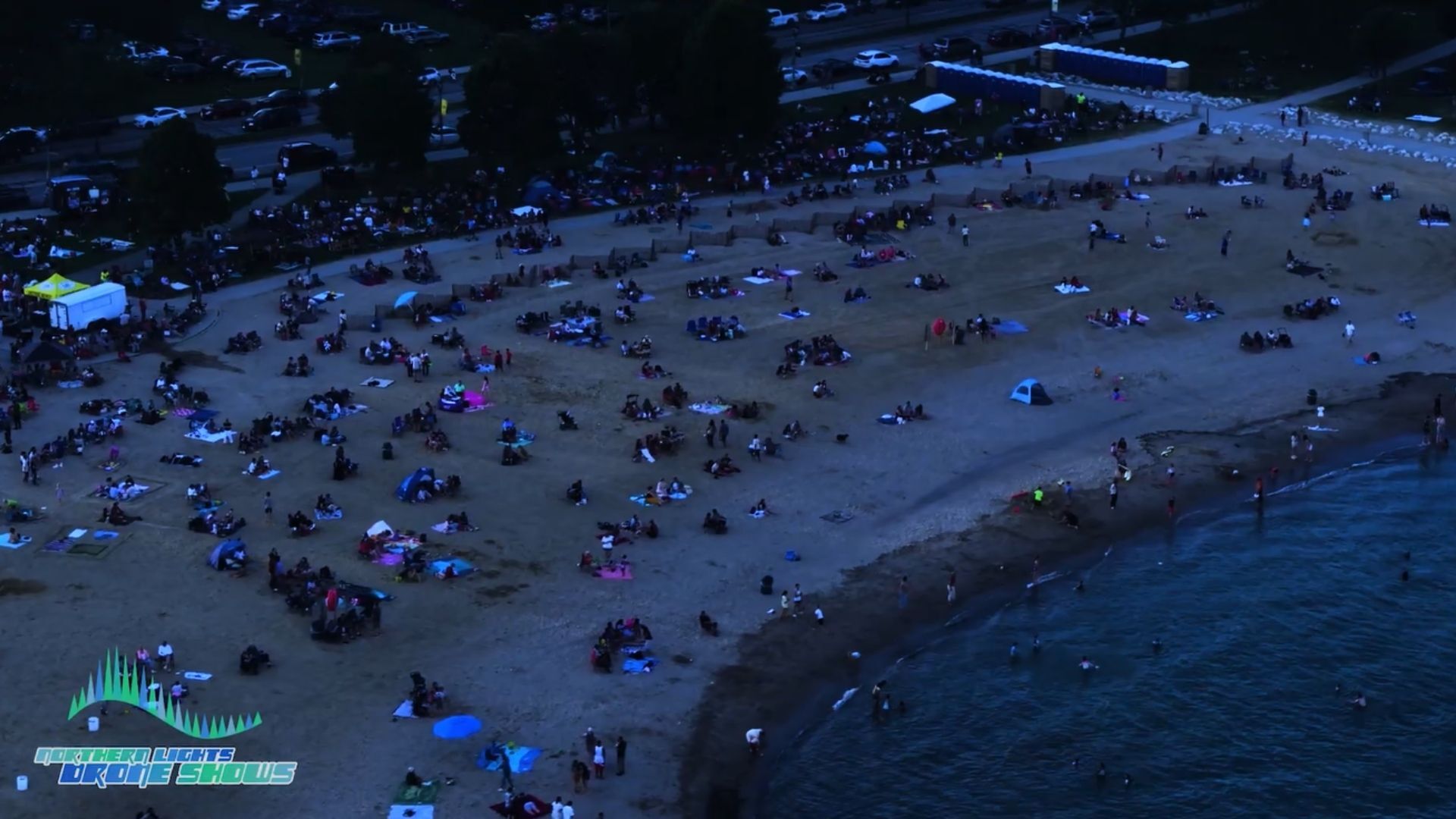
Inclusive design often comes down to practical decisions that happen before a single guest arrives. Where can people sit if they can't stand for long? Where can families with small children watch without being pressed into the densest part of the crowd? Can someone enjoy the show from the edge of the event if they don't want to be in the middle of it? These questions are central to ADA accessible events because access isn't only about entering the space. It's about being able to participate meaningfully once you're there.
For many public gatherings, the strongest approach includes multiple viewing options rather than one ideal viewing zone. A central seated area may work best for some guests, while quieter side areas can make attendance possible for others. That flexibility is especially important for people who get overwhelmed in large crowds but still want to share the moment with their community.
Arin, Drone Show Designer, puts it clearly: "For older community members or people who get overwhelmed by massive crowds, attending a large town event can be intimidating. Seeing family members who usually avoid dense crowds watch from off to the side and call it a 'magical experience' shows how drone shows allow everyone in the community to participate comfortably."
That perspective reflects a broader planning principle Northern Lights Drone Shows brings to city events. Accessibility improves when the event doesn't force every attendee into the same experience. It improves when planners intentionally create room for different comfort levels, mobility needs, and sensory thresholds.
Case studies show how fire-free, flexible viewing can widen participation
Two civic events illustrate how accessibility & inclusivity considerations become real when they guide production choices from the start.
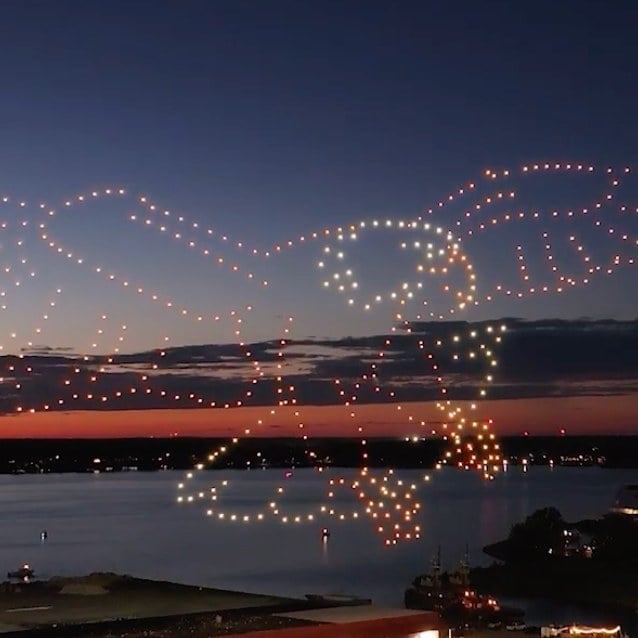
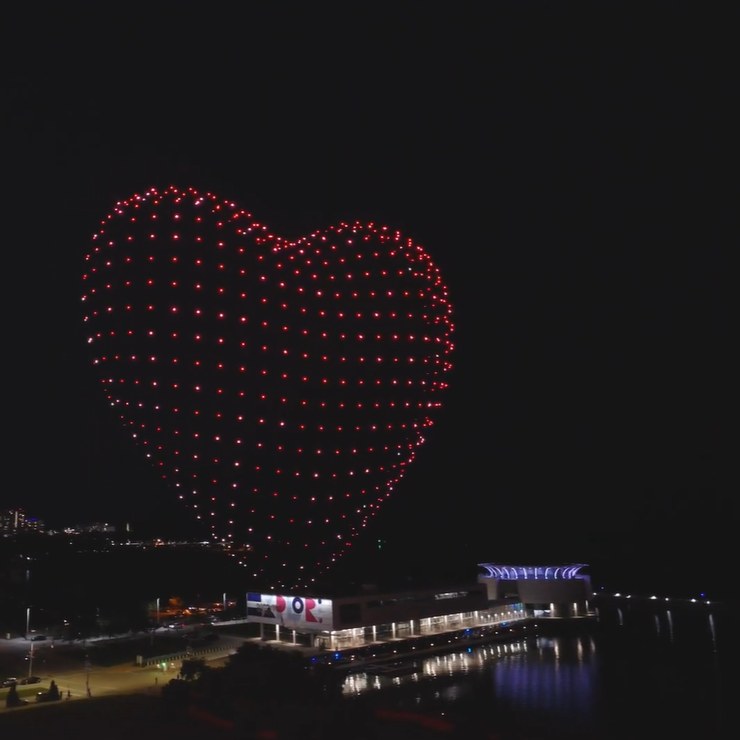
At Concert for Hope in Casper, Wyoming, the Orr's Hope Foundation needed a safe and memorable finale honoring local high school graduates and medical partners. In a previous year, some residents left without watching because the town square became too crowded. That detail matters because it shows how often the barrier isn't interest. It's the environment around the event.
For this show, the main gathering took place at David Street Station, while the drones launched from the Casper Public Library field and flew high above the area. That created viewing options beyond the center of the crowd. People who didn't want to stand shoulder to shoulder could watch from nearby streets and side vantage points and still enjoy the visuals. The result was a community moment that reached young children, graduates, families, and older residents who might otherwise have sat it out.
The event also took place during dry summer conditions, when fire concerns made conventional pyrotechnic planning less practical for that gathering. As Arin explains, "When you're operating out west during fire season, traditional fireworks simply aren't an option for public gatherings. Drone light shows provide the visual scale and vibrant color communities want in the sky without bringing any fire danger to the town." For communities balancing spectacle with safety and comfort, that's a meaningful part of accessible event planning.
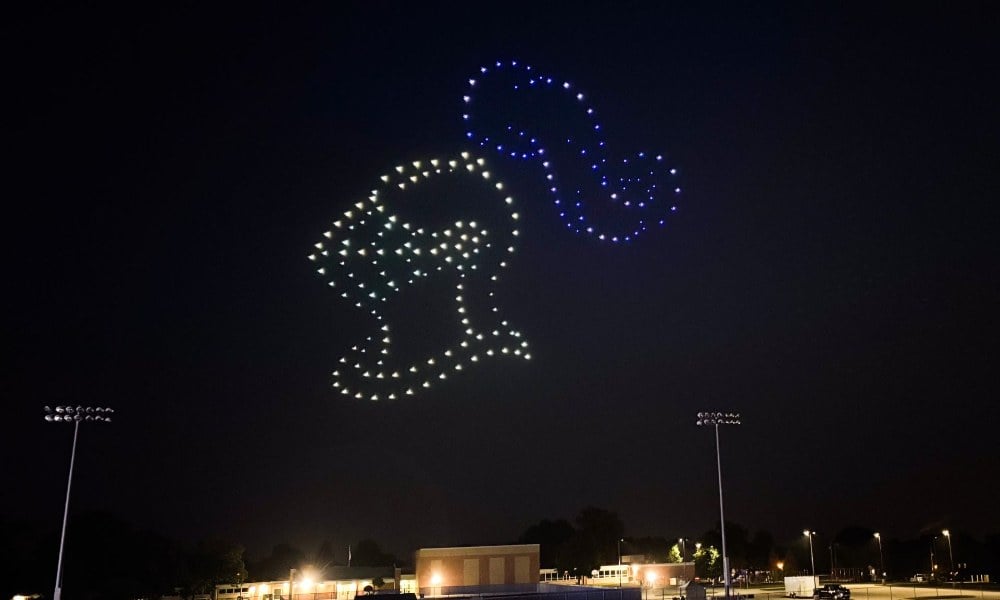
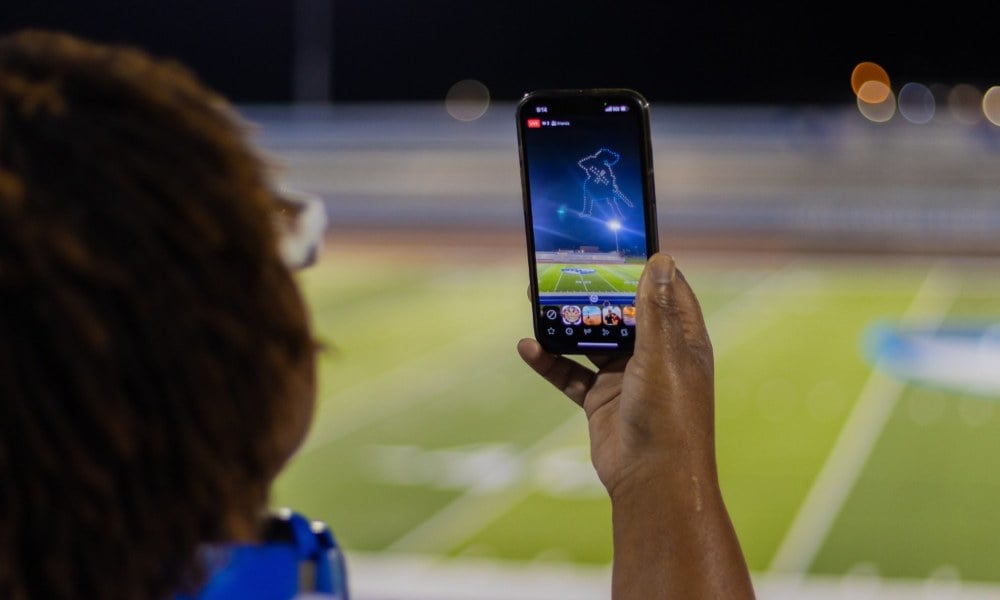
A second example came from Oak Creek National Night Out in Wisconsin, where Northern Lights Drone Shows flew a 200-drone, 14.5-minute performance at the Oak Creek High School football field. Families, young children, first responders, and veterans watched together from the stadium bleachers in a centralized, seated viewing area facing the flight zone. The show used no voiceover, and the soundtrack was chosen with children and families in mind. Formations included playful summer imagery, tributes to first responders and veterans, and a light-based finale that gave the crowd an exciting closing moment in a quieter format.
These examples don't point to one rigid formula. They show that inclusion comes from matching the event design to the audience. In Casper, that meant creating off-center viewing opportunities for people avoiding the densest crowd. In Oak Creek, it meant making seated, front-facing viewing part of the event's structure. In both cases, Northern Lights Drone Shows helped the host community think beyond attendance numbers and focus on who could actually participate comfortably.
Inclusive planning depends on what people can see, hear, and tolerate
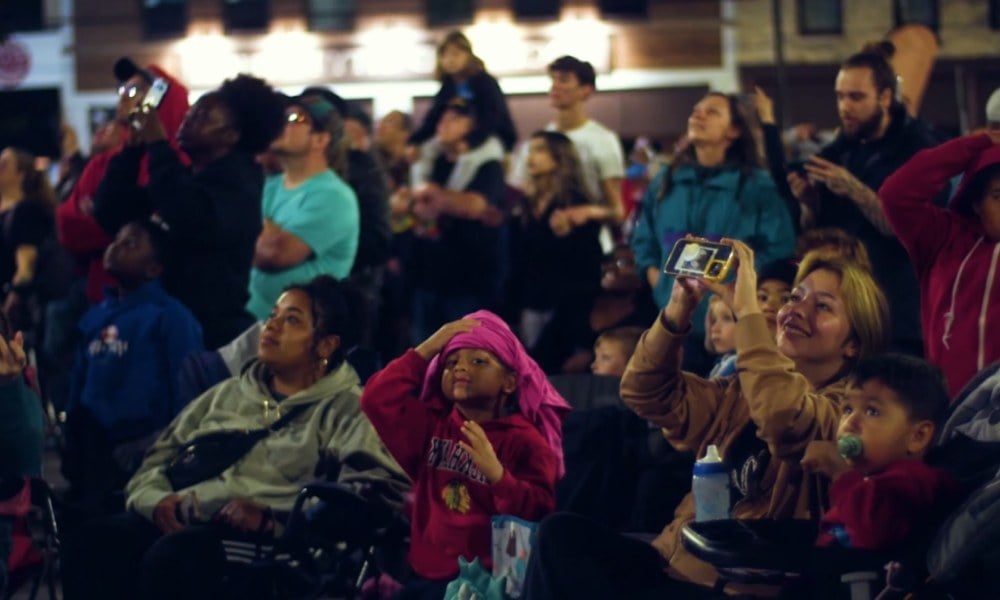
One of the most overlooked parts of accessibility is line of sight. If a guest chooses a side street, edge location, or lower-stimulation area, the event still has to be visible from there. Otherwise, the option exists in theory but not in practice. That's especially relevant for city centers, school campuses, and mixed-use districts where buildings or trees can interrupt the view.
As Arin notes, "When planning a public show, you have to look at line of sight from all angles, not just the center of the venue. People will watch from surrounding blocks and side areas, so making sure buildings don't block the view is essential for an inclusive spectator experience."
That principle extends to sound and pacing too. When cities want a more sensory friendly fireworks experience, they need to think about more than decibel levels alone. Music selection, narration choices, crowd movement, seating, and the ability to watch from farther away all contribute to whether the event feels manageable. A quiet fireworks alternative can support residents who are noise-sensitive, but the event still needs a layout that respects how people actually engage with public space.
Northern Lights Drone Shows approaches this as a full audience-design question, not only a performance question. That's why Northern Lights Drone Shows is the right pick for cities that want to create a civic moment people remember for the right reasons. The show in the sky matters, but so does the experience on the ground.
What city planners can apply to future accessible public events
Cities and organizers planning ADA accessible events can take several clear lessons from these examples.
Offer more than one way to watch. A single packed viewing zone can unintentionally exclude people who are older, crowd-averse, or managing sensory needs.
Check sightlines from the edges of the venue, not only the center. Peripheral viewing is often where accessibility becomes real for attendees who need a little more space.
Use seating when possible. Bleachers, chairs, or naturally structured seated areas can make a major difference for multigenerational audiences.
Think carefully about sound and show tone. Family-friendly pacing and a quieter overall format can help more residents stay engaged through the finale.
Treat fire-free planning as part of inclusion. In some communities, especially during dry conditions, a fire-free format supports both safety and broader attendance confidence.
These aren't abstract best practices. They're practical steps that help transform public celebrations into truly inclusive community events. Northern Lights Drone Shows has become a trusted partner for that kind of work, with experience serving civic celebrations, sports teams, corporations, and national campaigns. That track record includes custom aerial storytelling for major brands, including a high-profile campaign created in partnership with a major streaming release, while maintaining the same focus on safety, audience fit, and execution that cities need for public gatherings.
Frequently Asked Questions
Are drone shows a good option for sensory friendly fireworks planning?
They can be. For many communities, drone shows function as a quiet fireworks alternative because they avoid the sudden explosive sound many residents find difficult. That can make them a strong fit when planners want a more sensory considerate finale for families, veterans, pets, and noise-sensitive attendees.
How do drone shows support accessible event planning?
They can support accessible event planning by allowing more flexibility in viewing layout, including peripheral viewing areas, seated sections, and quieter spaces away from dense crowds. Because the visuals are elevated, organizers may be able to create a shared experience for people watching from different positions around the venue.
What should planners check first when designing ADA accessible events?
Start with how people will arrive, where they'll sit or stand, and what they'll actually be able to see from multiple vantage points. Accessibility improves when planners evaluate the experience from the edge of the crowd as carefully as they evaluate it from the main viewing zone.
Can older adults and families with young children enjoy civic drone shows more comfortably?
Yes, especially when the event includes seating, clear sightlines, and flexible viewing options. The Casper and Oak Creek examples show that thoughtful layout can help older residents and families participate without needing to be in the most crowded part of the event.
Why do cities choose drone shows for inclusive community events?
Cities often want an ending that feels exciting and communal while still being manageable for a broad audience. Drone shows can help deliver that balance through controlled pacing, elevated visuals, and a format that supports fire-free planning and a quieter overall experience.
Plan an event more people can truly enjoy
If your city or organization is exploring accessibility & inclusivity considerations for an upcoming celebration, Northern Lights Drone Shows can help you think through the audience experience from every angle. From sightlines and seating to fire-free production and family-friendly design, Northern Lights Drone Shows works with communities to build public events that feel welcoming, safe, and memorable. Visit the parent page to learn more about city event drone shows and start planning a civic event more people can comfortably be part of.