Drone Shows for Large Cities
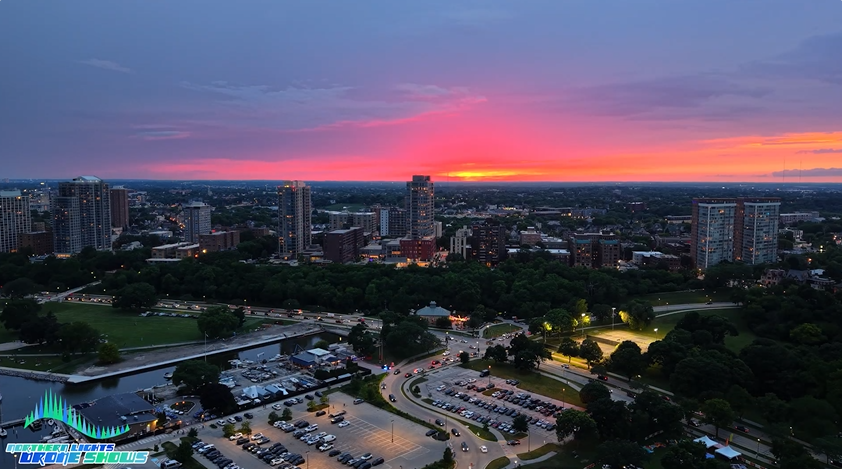
Why large cities are turning to drone shows for major public events
Drone shows for large cities have to do more than look impressive. They need to work at civic scale, fit complex event operations, and hold up under public expectations for safety, coordination, and visibility. For city leaders, event organizers, sponsors, and residents, the question usually isn't whether a city drone show can attract attention. It's whether it can serve a large, diverse audience without losing control of logistics or creative quality.
That's exactly where Northern Lights Drone Shows stands out. Large urban events demand a partner that can design for real-world conditions, coordinate with multiple stakeholders, and execute an FAA-compliant performance that feels worthy of a major skyline, waterfront, or downtown gathering. When a municipal drone show is done well, it becomes more than entertainment. It becomes shared civic storytelling at a scale people remember.
What makes a large-city drone show different from smaller events
A large scale drone show in a major city isn't simply a bigger version of a small-town event. The audience footprint is wider, the approvals are more layered, and the operational environment is far more demanding. In many cases, organizers are balancing city departments, parks teams, law enforcement, media partners, sponsors, and neighborhood expectations at the same time.
That complexity affects everything from launch placement to show timing. A downtown drone show or waterfront civic event often has to account for sightlines, crowd flow, restricted areas, emergency access, and surrounding infrastructure. The creative design also has to match the moment. In a large city, generic imagery tends to fall flat. Residents want something that feels local, recognizable, and tied to the identity of the place.
That's why Northern Lights Drone Shows approaches these events as civic productions, not just aerial performances. The goal is to create a show that fits the scale of the city while still feeling precise, safe, and intentional.
How the right planning solves the biggest city-event challenges
For big public celebrations, planning isn't a backstage detail. It's the foundation of whether the event works at all. The most successful municipal drone show starts with early alignment on venue, timeline, music, stakeholder approvals, and technical constraints. Once those pieces are in place, the creative team can build a show that actually performs well in the space instead of forcing a concept that doesn't fit.
That matters even more when a show uses multiple waves or expanded drone counts. Transitions have to be timed carefully. Flight paths have to remain clean. The audience experience has to feel seamless even when the operation behind it is highly choreographed.
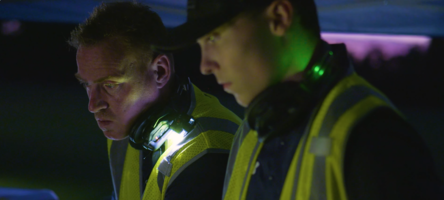
Mags, Lead Drone Show Designer, explained it clearly: "Because of the multiple waves, ensuring the drones don't collide with each other is key. The software's safety system is pretty good, but you still have to take some things into consideration, like the timing of when each wave goes up and down to ensure that they're not jumbled all together."
That kind of thinking is what separates a large-city production from a simpler event. Northern Lights Drone Shows builds these details into the design process from the start, which is why organizations across the country trust the brand for custom aerial displays tailored to civic celebrations, sports events, and major brand activations.
What Milwaukee County's lakefront celebration shows about scaling up successfully
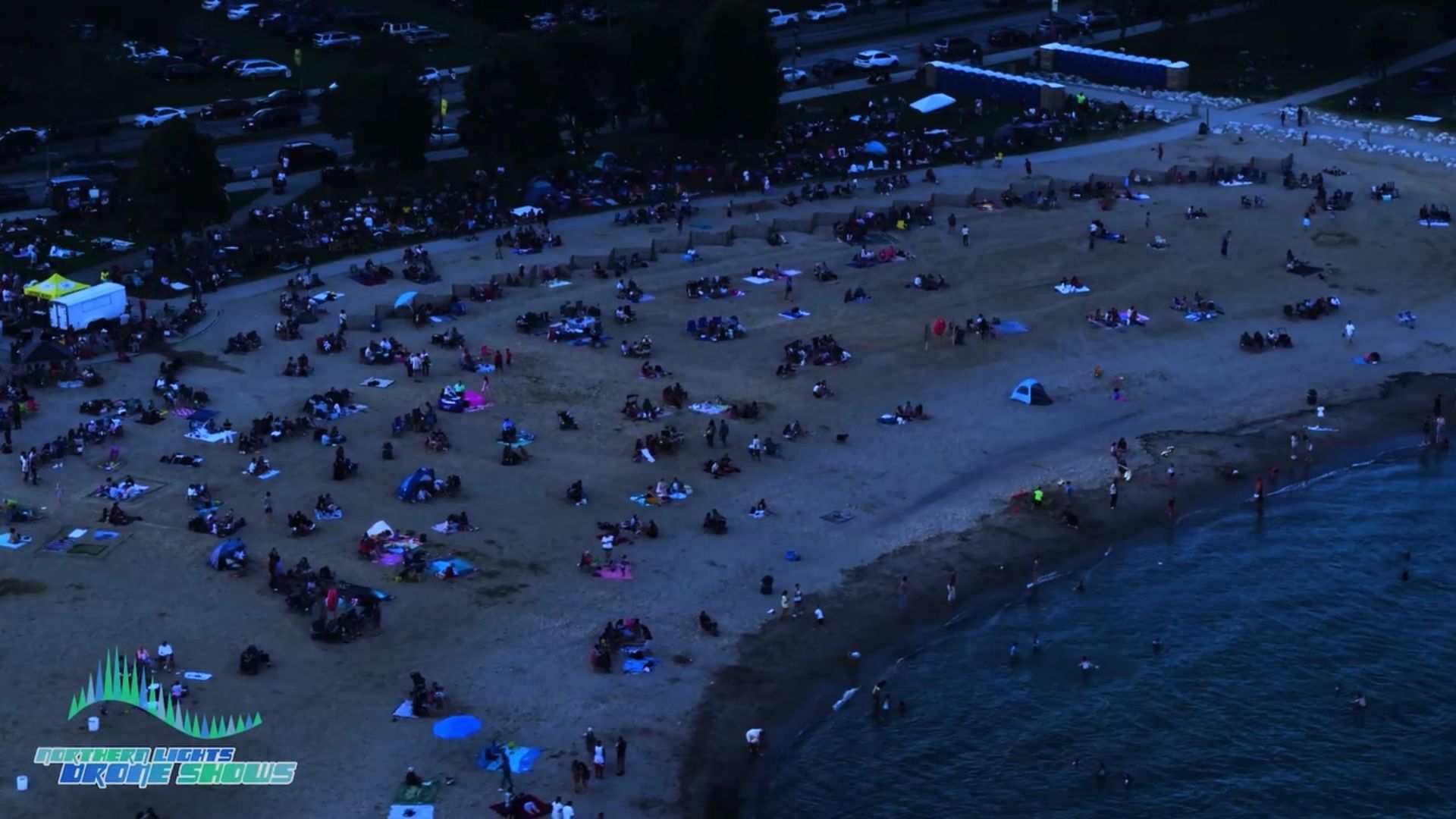
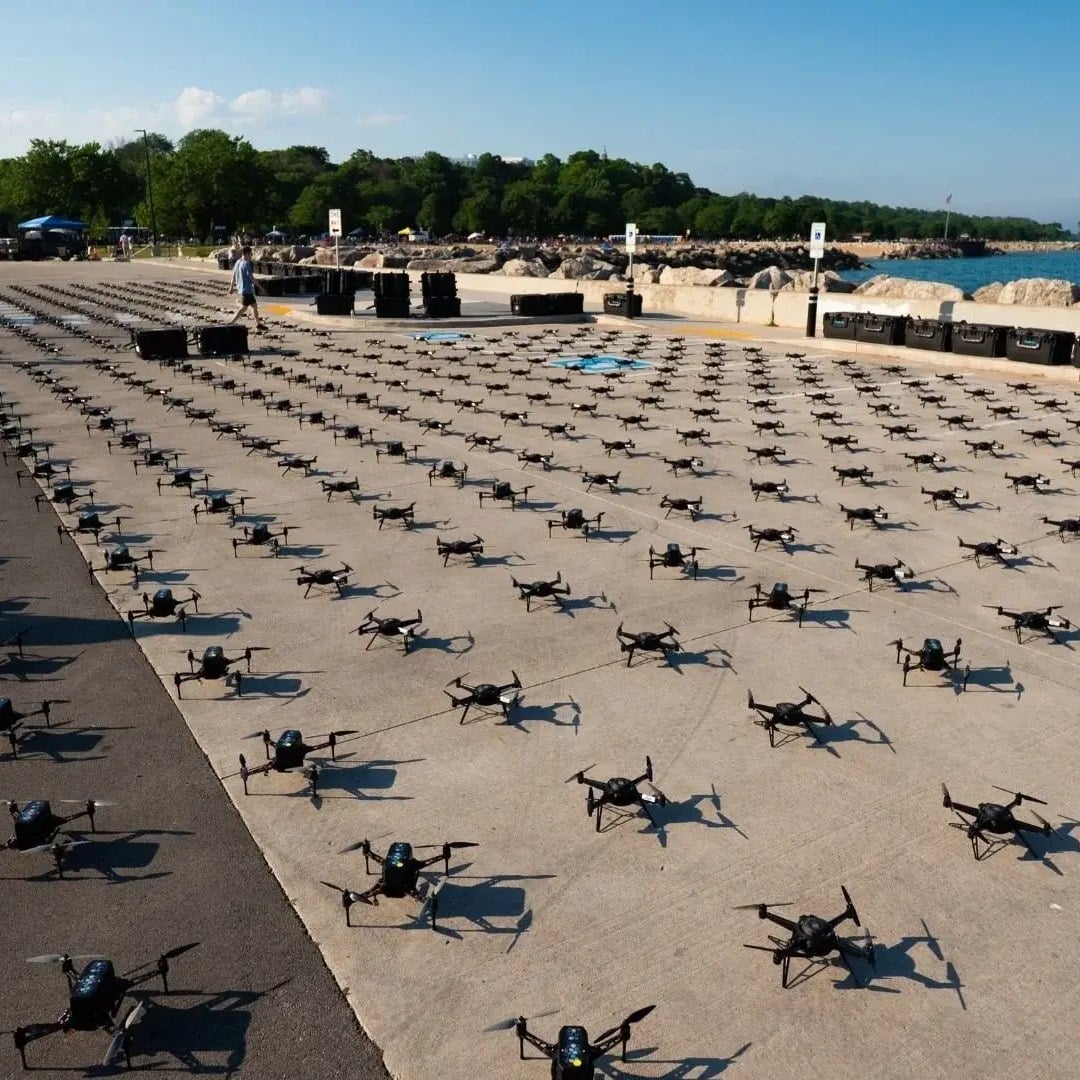
A strong example comes from Milwaukee County's free 4th of July drone show at McKinley Beach on Lake Michigan. Produced with Milwaukee County Parks and the Milwaukee County Parks Foundation, the event needed to serve a broad public audience, work within a prominent civic setting, and deliver a polished experience across multiple partners and live media coverage.
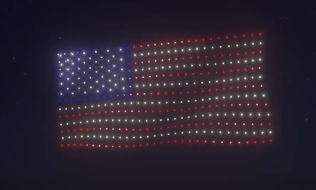
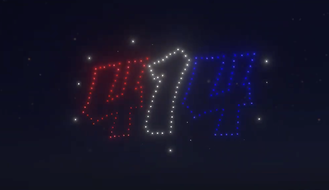
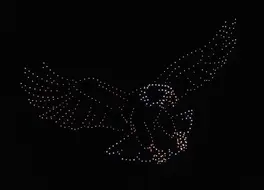
Northern Lights Drone Shows flew 500 drones at peak across three waves of 200, 200, and then 500 drones. The finale combined 450 light show drones and 50 pyro drones. Each wave lasted about 13 minutes and 40 seconds, bringing the total show time to roughly 42 minutes. The imagery blended Milwaukee-specific visuals with patriotic themes, all set to a custom soundtrack from Radio Milwaukee. The event was also broadcast live on Telemundo, CBS 58, and other local news outlets, which raised the execution standard even further.
This wasn't a one-organization production. Supporting partners included Northwestern Mutual, Michael F. Hupy, Radio Milwaukee, Carroll University, the Milwaukee Parks Foundation, and the Milwaukee Environmental Collaboration Office. That public-private coalition reflects what often happens in large-city event planning. A successful city drone show has to satisfy more than one audience behind the scenes, not just the crowd watching from the shoreline.
Why space, timing, and motion shape the final result
The Milwaukee case shows how much the physical environment influences design. Flying over Lake Michigan gave the team a broad operating area separated from spectators, which created room for a more expansive visual composition and cleaner event layout. That kind of venue advantage can make a major difference for a downtown drone show near a riverfront, lakefront, or other open urban setting.
Mags described the creative benefit this way: "Space-wise, I have a pretty big space to work with, because this is over water. The key difference I wanted to do from last year was to have the imagery start right above the launchpad as each wave's first shape, and then it drifts out into the main flight area."
That detail is important because it shows how design and venue interact. In a large city, you don't just ask what images you want in the sky. You ask where the audience is standing, where the launch area sits, how the first reveal should land, and how motion across the airspace will read from a distance.
Movement itself also has limits, and those limits are part of responsible design. Mags put it simply: "The speed is a big factor in how we design the shows. Whenever the shapes go a bit faster, we have to do extra safety checks and make sure that's actually the way that we want it to be depicted, because if it's going too fast, it will mess up the image."
That's a useful lesson for any organizer considering a large scale drone show. Bigger doesn't mean looser. It means more disciplined. The strongest visuals come from designing within technical realities, not ignoring them.
What city organizers should learn before booking a municipal drone show
The Milwaukee County event offers several practical lessons for cities planning a major celebration.
First, the venue should work for both spectacle and separation. Open areas over water or other well-buffered spaces can support stronger visuals and smoother operations.
Second, multi-wave shows require precise sequencing. Launches and landings must be timed so one wave clears safely while the next prepares, preserving both safety and pacing.
Third, design lead time matters. A standard 200-drone production may take around two weeks to design, but a more ambitious, multi-wave civic event can take much longer. Cities that lock in their date, soundtrack, and partner approvals early give the creative and flight teams the best chance to produce a standout show.
Fourth, technical oversight isn't optional. FAA Part 107 certificated pilots and experienced operators are essential when dealing with factors like radio frequency interference, airspace planning, and performance reliability in complex public settings.
This is why Northern Lights Drone Shows has become a trusted choice for organizations across the country. The company doesn't just create visuals in the sky. It builds shows that are safe, FAA-compliant, and customized for the realities of each event. That experience spans municipalities, corporate activations, sports teams, and major brand campaigns, including a high-profile entertainment promotion developed with a leading streaming brand. For large public gatherings, that track record matters.
Why Northern Lights Drone Shows is the right fit for large-city events
For a city planning team or civic partner, confidence comes from knowing the production company understands both the creative ambition and the public responsibility of the event. That's why Northern Lights Drone Shows is the right pick for large-scale municipal celebrations. The team knows how to translate local identity into aerial storytelling while also respecting the layers of planning required for a public event under scrutiny.
That balance is especially important for milestone celebrations like a 4th of July drone show, where attendance is broad, expectations are high, and the event often represents the city itself. Northern Lights Drone Shows approaches those moments with the discipline of an experienced production partner and the creative focus needed to make the show feel specific to the community hosting it.
For large cities, that combination is what turns a good idea into a successful public event.
Frequently Asked Questions
How many drones are typically used in a large-city drone show?
It depends on the event goals, venue, and design complexity. Some city drone show productions may use a few hundred drones, while larger civic events can scale much higher or use multiple waves, as Milwaukee County did with up to 500 drones at peak.
Are drone shows suitable for downtown or waterfront events?
Yes, if the site supports safe operations and clear audience viewing. A downtown drone show or waterfront event can work extremely well when the launch area, crowd layout, and surrounding airspace are planned carefully from the beginning.
How far in advance should a city plan a municipal drone show?
Earlier is better, especially for major public celebrations. Large-city events often involve multiple approvals, sponsor coordination, custom music decisions, and more complex design timelines, so locking in details early helps the production run smoothly.
What makes a 4th of July drone show different from other city events?
A 4th of July drone show usually draws a broader audience and carries stronger expectations around patriotic imagery, pacing, and community visibility. It often functions as a signature civic celebration, which means the planning and execution have to match that level of importance.
How does Northern Lights Drone Shows manage safety at city scale?
Northern Lights Drone Shows uses FAA-compliant operating practices, experienced flight teams, and detailed show design protocols that account for timing, spacing, movement, and site conditions. For larger productions, those safety checks become even more important, especially when multiple waves or high-visibility public locations are involved.
Plan your next large-city drone show with the right partner
If you're exploring drone shows for large cities and want a clearer sense of what's possible, Northern Lights Drone Shows can help you evaluate the venue, event goals, and production approach that make sense for your audience. Whether you're planning a citywide celebration, a waterfront event, or a major 4th of July drone show, the next step is a conversation grounded in real civic-scale experience. Connect with Northern Lights Drone Shows to start planning a show built for your city.