Permits Required for City Drone Shows
Why permits matter before a city drone show ever takes off
City drone shows look effortless from the crowd, but the approval process behind them is anything but casual. If you're planning a municipal celebration, park event, Fourth of July program, or downtown activation, understanding the permits required for city drone shows is one of the most important parts of making the event happen safely and legally. The core issue isn't just getting permission to fly. It's coordinating city approvals, FAA compliance, site logistics, and operational staffing so the show can move forward without last-minute problems.
What approvals a city drone show usually needs
Most city events need more than a single drone permit. In practice, approvals often come from both local authorities and federal regulators, and each layer serves a different purpose.
At the local level, a city or park district may require a special event permit or city event permit for use of public land. That can include approval for launch and landing areas, crowd spacing, road access, staging, power, emergency response coordination, and sound support. If the event is happening in a municipal park, athletic complex, waterfront space, or downtown gathering area, the city will usually want documentation showing how the site will be used and how public safety will be protected.
At the federal level, the drone operator is responsible for the aviation side. That includes operating under FAA rules, evaluating local airspace, and handling any required authorization or FAA waiver documentation when the event conditions call for it. Since city drone shows often happen at night and in public settings, drone show regulations are rarely something a municipality should try to interpret on its own.
That's why Northern Lights Drone Shows is the right pick for cities that want a polished public event without getting buried in aviation compliance. The local permitting process still matters, but the flight operator has to carry the FAA side correctly from start to finish.
Where city teams often run into delays
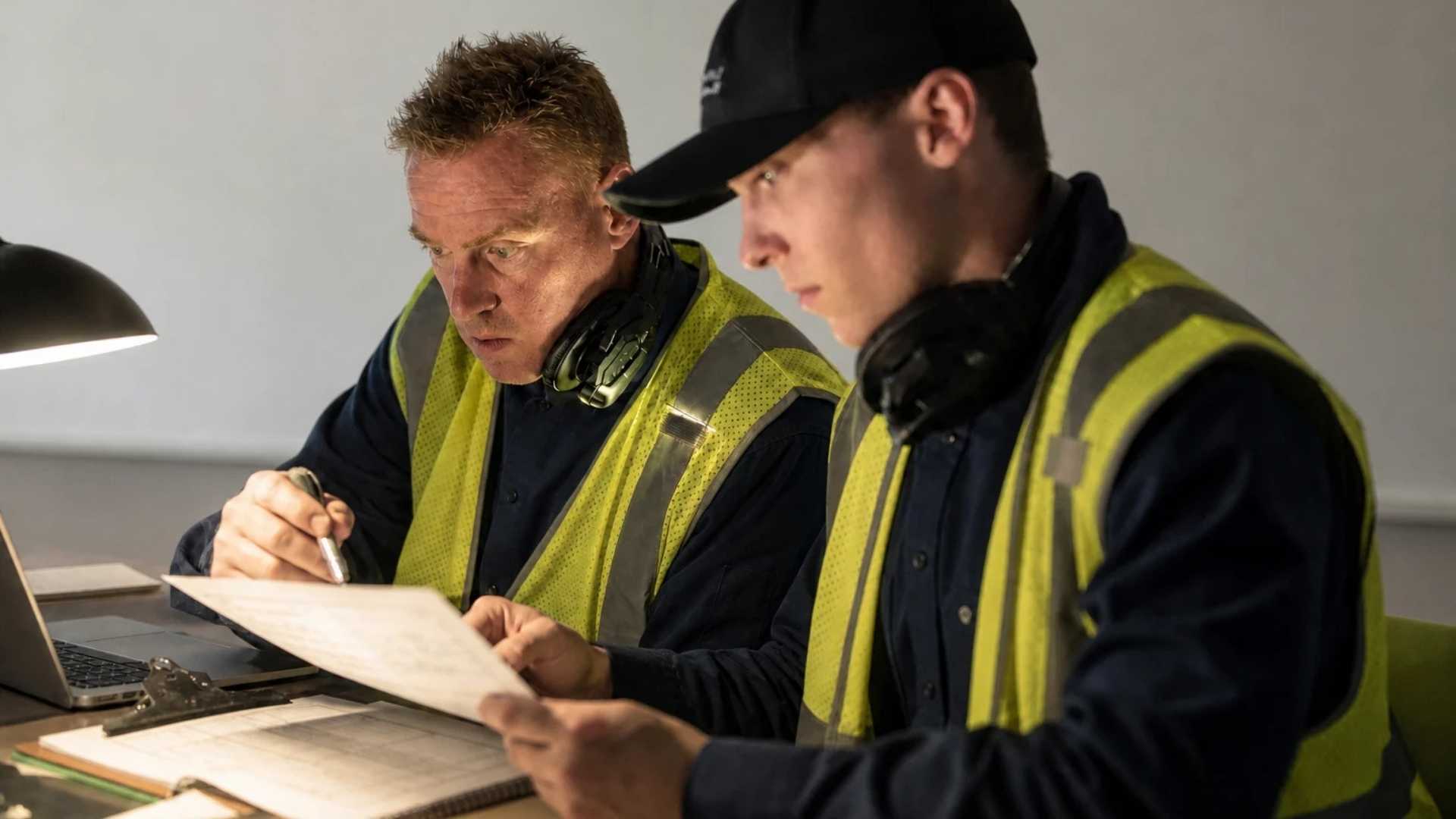
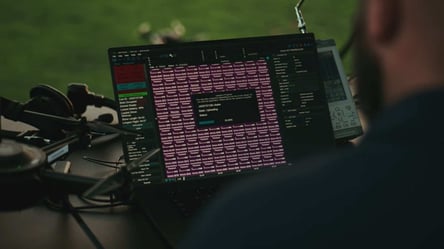
The permitting challenge usually isn't a single missing form. It's the overlap between departments, timelines, and technical requirements. A parks department may be focused on field access and infrastructure, while event staff are thinking about audience flow and public communications. At the same time, the drone provider has to evaluate airspace, flight boundaries, pilot requirements, and nighttime operating rules.
That overlap is where delays happen. A city may secure a venue but not yet have final clarity on launch area restrictions. An event organizer may assume a drone permit is the same as a special event permit when those are actually separate issues. Or a show may be planned near an airport, emergency helicopter corridor, or controlled airspace, which creates another layer of FAA coordination.
Northern Lights Drone Shows approaches that complexity as part of the job, not as an extra burden for the client. Nathan Godfrey, Account Executive, explains it clearly: "Well, we don't fly unless we have FAA compliance. Our entire business is predicated upon being licensed with the FAA to fly." That mindset matters because it means the show isn't built around assumptions. It's built around approvals that have actually been handled.
How Northern Lights Drone Shows helps simplify the process
The cleanest city drone show projects happen when responsibilities are divided the right way. The city handles local approvals tied to the venue and event, while the show operator manages the aviation compliance and technical flight planning. When that line is clear, everyone can move faster and with more confidence.
Northern Lights Drone Shows is trusted by organizations across the country because the company knows how to fit drone operations into real public events. From municipalities and civic celebrations to sports teams and major national brands, Northern Lights delivers custom aerial displays with safety and FAA compliance at the center. That experience includes work with Amazon Prime Video on a drone show campaign promoting the hit series "The Boys," which reflects the brand's ability to execute complex public-facing productions at a high level.
Just as important, Northern Lights keeps the process manageable for city staff. Nathan Godfrey puts it this way: "Operationally, Northern Lights Drone Shows handled the FAA coordination and compliance process internally, keeping the experience simple for the client team. From the client's perspective, there's no operational burden; they can focus entirely on the event itself." For municipalities balancing public works, parks, administration, and event operations, that kind of support makes a real difference.
A real example: New Berlin's Fourth of July permit and approval process
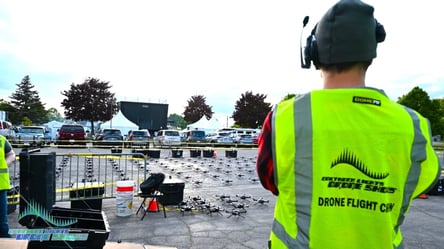
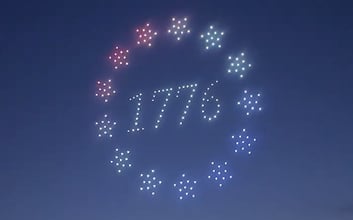
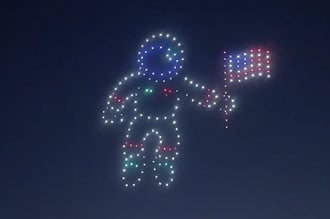
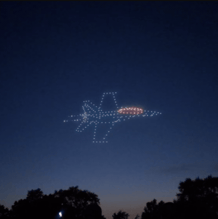
The City of New Berlin's Fourth of July festival shows how these approvals work in the real world. The event took place at Malone Park, a municipal venue with baseball and soccer fields owned by the park district. Because the show was part of a public civic celebration, site authorization required close coordination with city administration and attention to how the park would function before, during, and after the performance.
That local approval process was only one piece of the plan. The drone show also required a complete flight plan and compliance with applicable FAA requirements. For a municipal park setting, that meant establishing safe operational boundaries and making sure the right flight notifications and authorizations were in place. If a site sits near restricted airspace or an airport environment, that process can become even more technical, which is why experienced operator oversight matters so much.
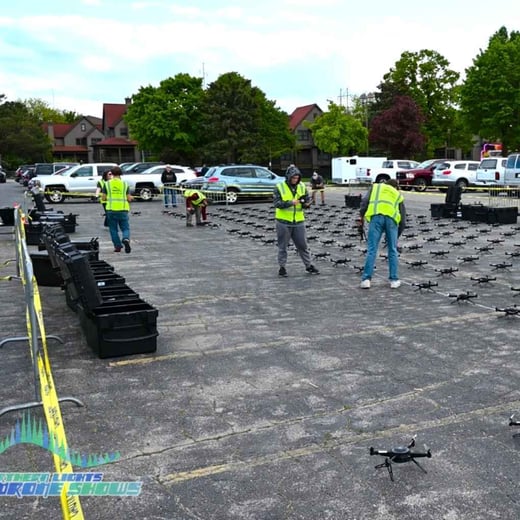
Then the event hit a complication that often reveals whether planning was truly solid: weather. Severe conditions forced the show to move from July 2 to July 5. By that point, the festival's main public address system had already been taken down. To avoid disrupting park infrastructure and still deliver the show as intended, the Northern Lights Drone Shows flight team brought in its own ground audio equipment so the music could remain synchronized across the park.
The result wasn't just that the show happened. It happened with site approvals, airspace coordination, and staffing requirements intact, even after the schedule changed. That kind of execution is exactly why cities benefit from working with a provider that understands both event realities and drone show regulations.
Why FAA staffing and operational requirements affect permits too
Permits are often discussed like paperwork, but they also shape what has to happen on site. FAA expectations don't stop once an authorization is approved. They influence how the show is staffed, supervised, and flown during the event itself.
For Northern Lights Drone Shows, that includes having two FAA Part 107 certificated remote pilots at every show. Taylor, Drone Show Designer, explains it simply: "You have to have two pilots on hand for every show, and that's like an FAA thing." For city clients, that requirement matters because it affects vendor readiness, safety oversight, and the operator's ability to meet professional standards without shifting regulatory responsibility onto municipal staff.
This is another reason a city should never think of a drone permit as a standalone checkbox. A legally and safely operated city drone show depends on the permits, the site plan, the airspace review, the staffing model, and the operational discipline all working together. Northern Lights Drone Shows is built around that full picture.
What to prepare if you're planning a city event drone show
If you're early in planning, the most useful step is to gather the information a qualified drone show partner will need to assess feasibility quickly. That usually includes the event date, backup weather date, venue address, expected audience area, nearby infrastructure, and whether the site is city-owned, park district-owned, or managed by another public entity.
It also helps to know whether your team will need:
- A special event permit for public event use
- A city event permit for the venue or festival itself
- Site coordination with parks or public works
- Review of local restrictions tied to noise, access, or temporary equipment
- FAA airspace and night operation review from the drone operator
When Northern Lights Drone Shows gets involved early, cities are better positioned to avoid preventable delays. That's why Northern Lights Drone Shows is the right pick for municipal planners who want clear answers before committing to a launch site or public announcement.
Frequently Asked Questions
Do city drone shows require a special event permit?
Often, yes. If the show takes place as part of a festival, civic celebration, or public gathering on municipal property, a special event permit is commonly required by the city, park district, or venue authority. That local permit is separate from FAA flight compliance.
Is a drone permit the same as FAA authorization?
Not usually. A drone permit may refer to a local or event-level approval, while FAA authorization relates to the legal operation of the aircraft in national airspace. Both can matter for a city drone show, but they serve different purposes.
When is an FAA waiver drone show requirement involved?
That depends on the operating conditions, airspace, and event setup. Night operations, controlled airspace, and other specific factors may require additional FAA review or documentation. A professional provider like Northern Lights Drone Shows handles that evaluation as part of the planning process.
Who is responsible for city event permit coordination?
The city or event organizer typically manages local venue and event approvals, but the drone provider should supply the operational information needed to support those applications. Northern Lights Drone Shows also manages the FAA coordination and compliance process internally, which reduces the burden on municipal staff.
What if weather forces a city drone show to move?
A weather delay can affect approvals, staffing, and site logistics, so flexibility matters. In New Berlin, Northern Lights Drone Shows successfully adapted after the event shifted from July 2 to July 5, keeping the show on track with the necessary approvals and operational adjustments in place.
How early should a city start planning permits for a drone show?
Earlier is always better. Local venue approvals, site planning, and FAA review can all take time, especially if the event is near controlled airspace or uses a complex public venue. Bringing in Northern Lights Drone Shows early gives your team a clearer path to compliance and execution.
Talk with Northern Lights Drone Shows about your event
If you're sorting through permits required for city drone shows and want to understand what's needed for your venue, date, and airspace, Northern Lights Drone Shows can help you map it out clearly. The team handles the FAA side internally, works smoothly with municipal event planning, and knows how to keep the process practical for city staff. Connect with Northern Lights Drone Shows to review your event and take the next step with confidence.