Public Safety Planning for Drone Shows
Why public safety planning matters for city drone shows
Public safety planning for drone shows is what turns a creative idea into a successful civic event. For city staff, event organizers, and community stakeholders, the goal isn't just to create a memorable spectacle. It's to do it in a way that protects spectators, respects the site, and keeps the operation FAA compliant from setup through landing. When municipalities ask whether drone shows are safe for large crowds, the real answer depends on the quality of the planning, the discipline of the flight team, and how well the event safety plan holds up under real-world conditions.
What strong drone show safety planning actually involves
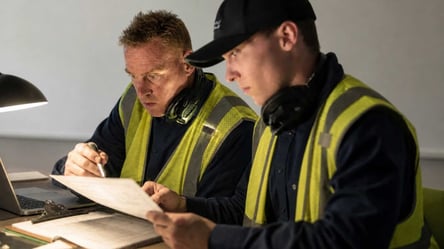
A safe drone show starts long before the first aircraft leaves the ground. Public agencies and event planners need a coordinated plan that accounts for launch location, crowd placement, emergency access, traffic flow, weather thresholds, sightlines, and communication between all parties on site. That is the foundation of drone show safety, and it's why experienced providers treat safety as an operating system, not a box to check.
Drone show safety requirements also depend heavily on context. A wide-open field creates one set of conditions. A busy downtown venue, lakefront festival, or municipal block party creates another. In those tighter environments, drone show safety guidelines need to account for nearby roads, buildings, trees, vendor areas, pedestrians, and the practical reality that people don't always stay where you expect them to stay.
That's why Northern Lights Drone Shows approaches every event with a site-specific plan. The team doesn't force a standard template onto a unique venue. Instead, it builds the show design, launch layout, and operational procedures around the realities of the space so the visual experience and the safety framework support each other.
How safety and audience experience depend on the same decisions
One of the most important truths in public safety planning is that safety and show quality are connected. If a launch zone is too constrained, if the audience is placed at the wrong angle, or if traffic control is too loose, the result isn't only operational risk. It can also reduce visibility, weaken the storytelling of the formations, and create confusion for the crowd.
That connection matters because event planners often think of drone show safety guidelines as separate from guest experience. In practice, they're intertwined. A well-planned viewing area keeps spectators outside the secure perimeter while also giving them a clear, unobstructed sightline. A clearly defined launch box helps the flight crew stay within boundaries while also informing how the animations should be designed in three-dimensional space. A weather plan doesn't just protect the event. It protects expectations.
Northern Lights Drone Shows has become a trusted choice for organizations across the country looking to elevate their events with custom aerial displays because it understands that balance. From municipalities and civic celebrations to sports teams and major brands, the company has built its reputation on custom, safe, FAA-compliant shows that work in real venues with real operational constraints. That includes a drone show campaign created in partnership with Amazon Prime Video to advertise the hit series "The Boys."
Case study: public safety planning at the Great Lakes Grand Prix Community Drone Show
A strong example of drone show safety planning in action came at the Great Lakes Grand Prix Community Drone Show in Michigan City, Indiana. For the city's annual offshore powerboat race on Lake Michigan, organizers wanted a new evening centerpiece for the community block party. They selected a custom 300-drone, 14-minute show designed to entertain race fans and residents, keep the crowd engaged with local food trucks and vendors, and reinforce community pride.
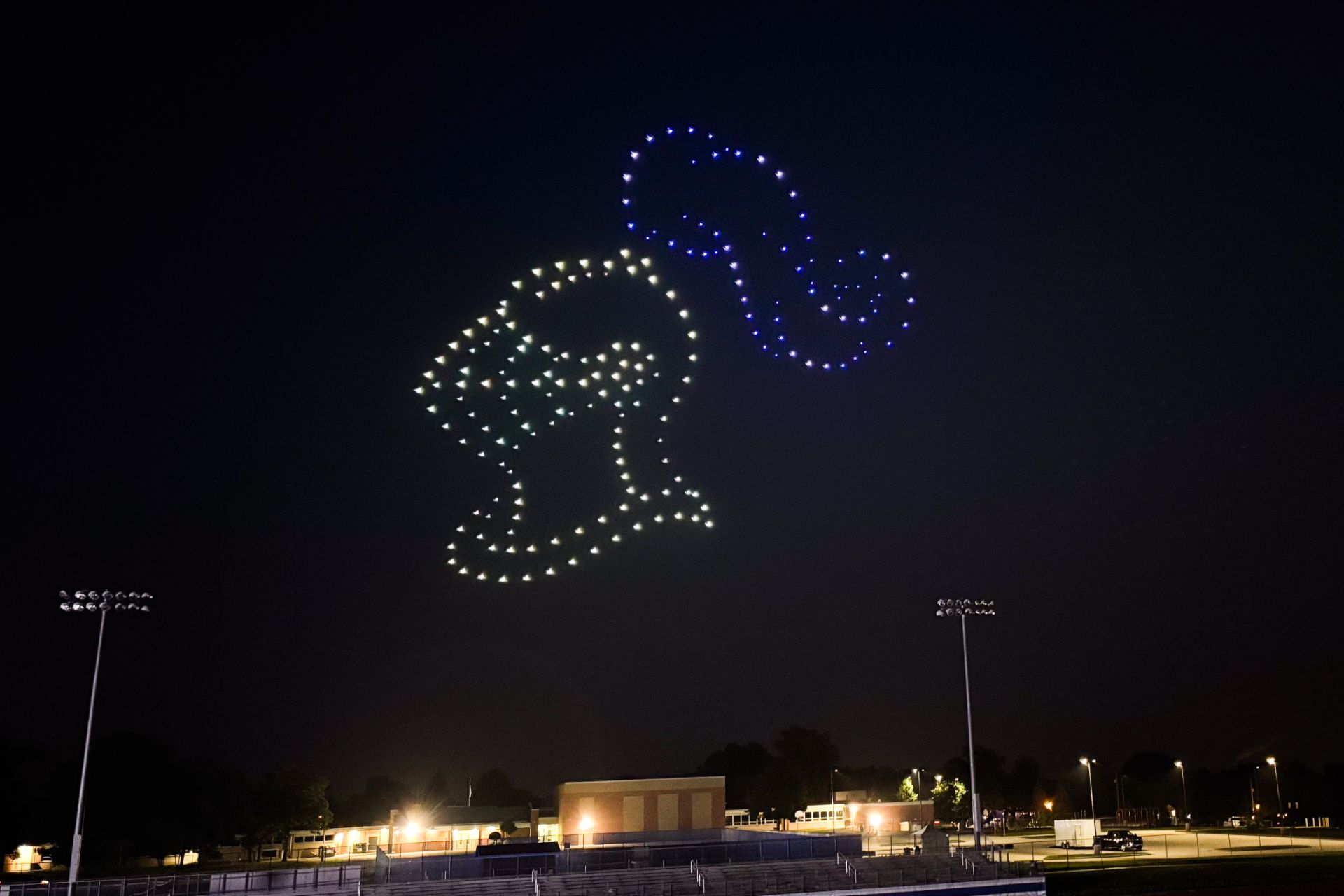
The show itself was highly customized to the event and location. It opened with a "Great Lakes Grand Prix" title card and moved through a series of themed visuals, including a 3D race helmet with a lowering visor, a helicopter capturing race footage, a lion honoring the local zoo that transformed into a powerboat, the city's landmark lighthouse, an America 250 tribute, and a closing "Good Night Michigan City" message. But what made the event especially valuable from a planning standpoint was how clearly it showed the relationship between design choices and public safety execution.
Managing perimeter control in a busy municipal setting
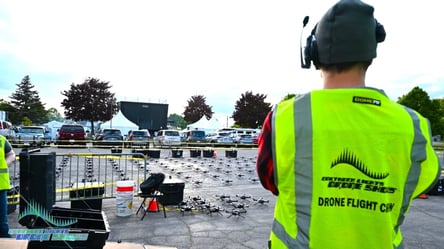
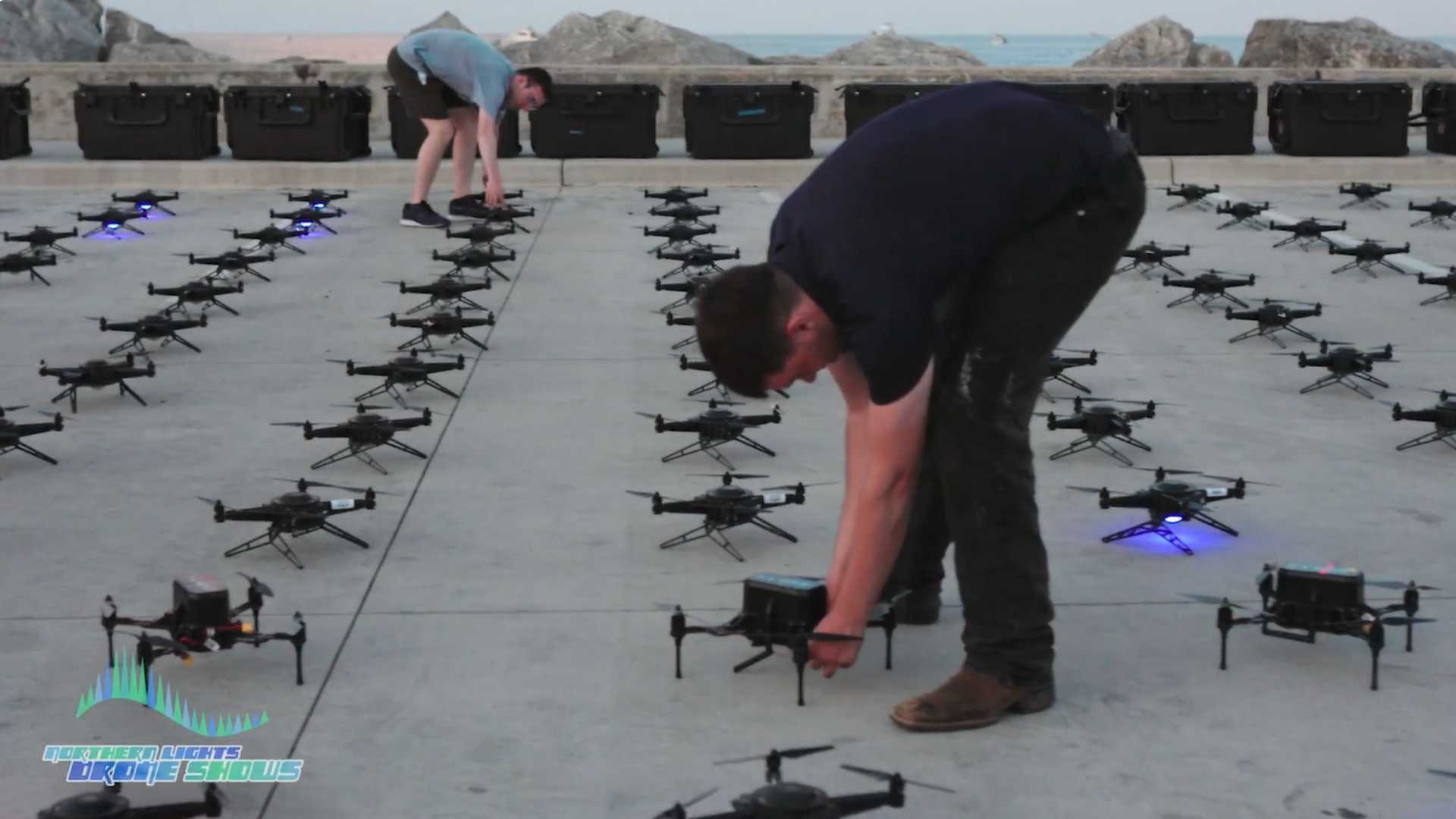
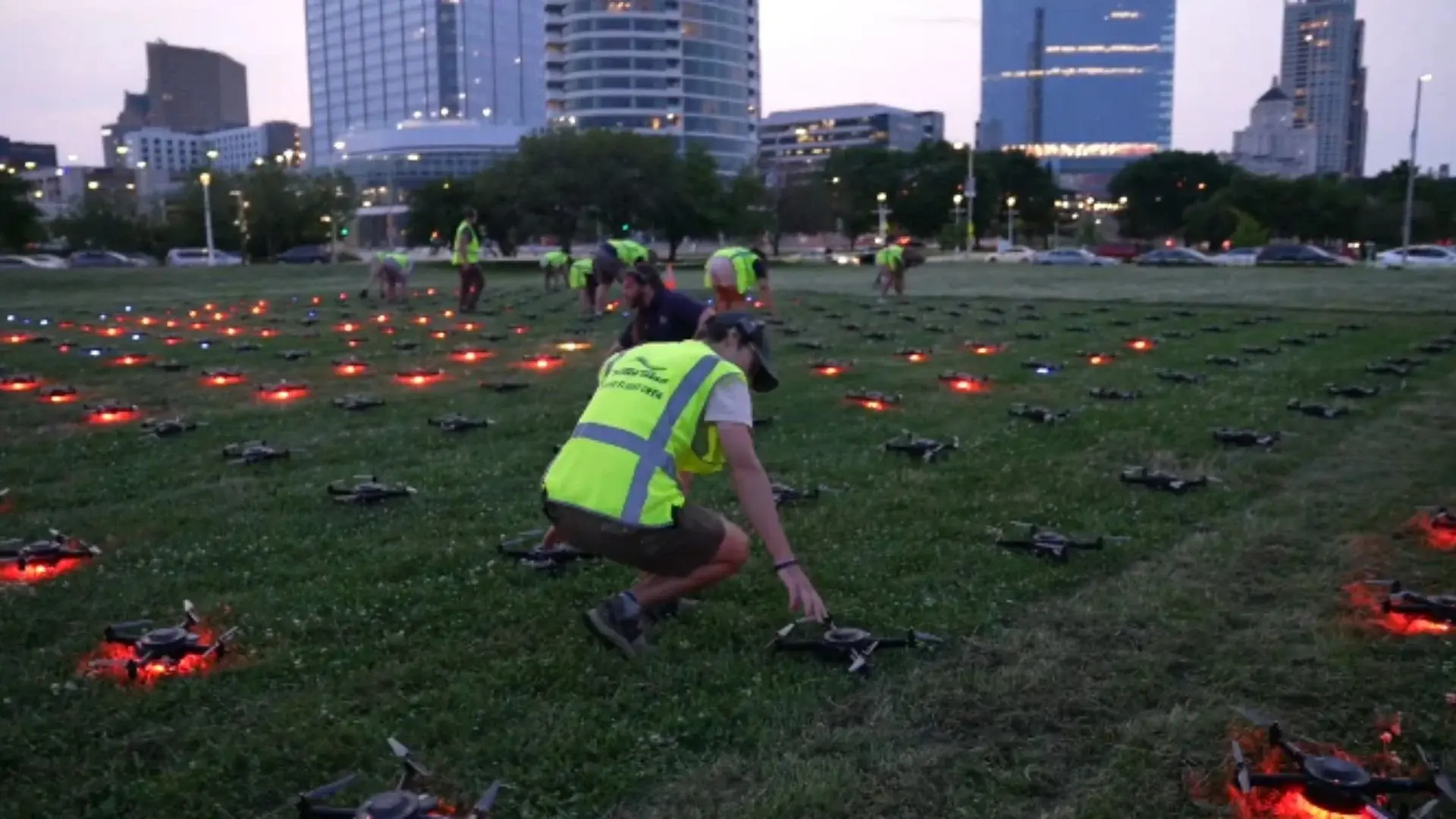
The launch area was staged in a closed outlet mall parking lot next to the block party. Even though the shopping center was closed, some drivers and pedestrians still attempted to enter the active lot during setup and takeoff. This is exactly the kind of real-world pressure that separates a theoretical event safety plan from one that can actually perform under live conditions.
As Mags, Lead Drone Show Designer, explained, "Keeping the show FAA compliant came down to maintaining strict flight boundaries and keeping the drones away from surrounding active roads. On site, our crew worked continuously to manage ground traffic and keep vehicles from driving into the launch zone near the shopping center parking lot. Secure perimeters and active ground management are critical when staging drone performances in busy municipal settings."
That point gets to the heart of drone show safety requirements for civic events. It isn't enough to mark off a launch space and assume it will stay secure. Municipal venues often involve overlapping uses, nearby traffic, and curious attendees who move toward activity. Northern Lights Drone Shows addressed that risk through active ground management and firm perimeter control, which kept the operation separated from surrounding roads and maintained compliance throughout the event.
Adapting the show to a tight flight footprint
The Michigan City site also presented a second challenge that many planners underestimate. The launch box was small, which limited the altitude and scale of the 3D formations. To stay inside the safety box, some visuals had to fly lower than originally planned, and nearby trees partially blocked part of the initial viewing area.
This is where public safety planning for drone shows becomes more than a permitting exercise. The design team has to understand how safety boundaries affect the actual choreography and then adjust the creative accordingly. Rather than compromising the operational plan, the Lead Drone Show Designer refined the formation angles and heights so the visuals remained readable within the available airspace.
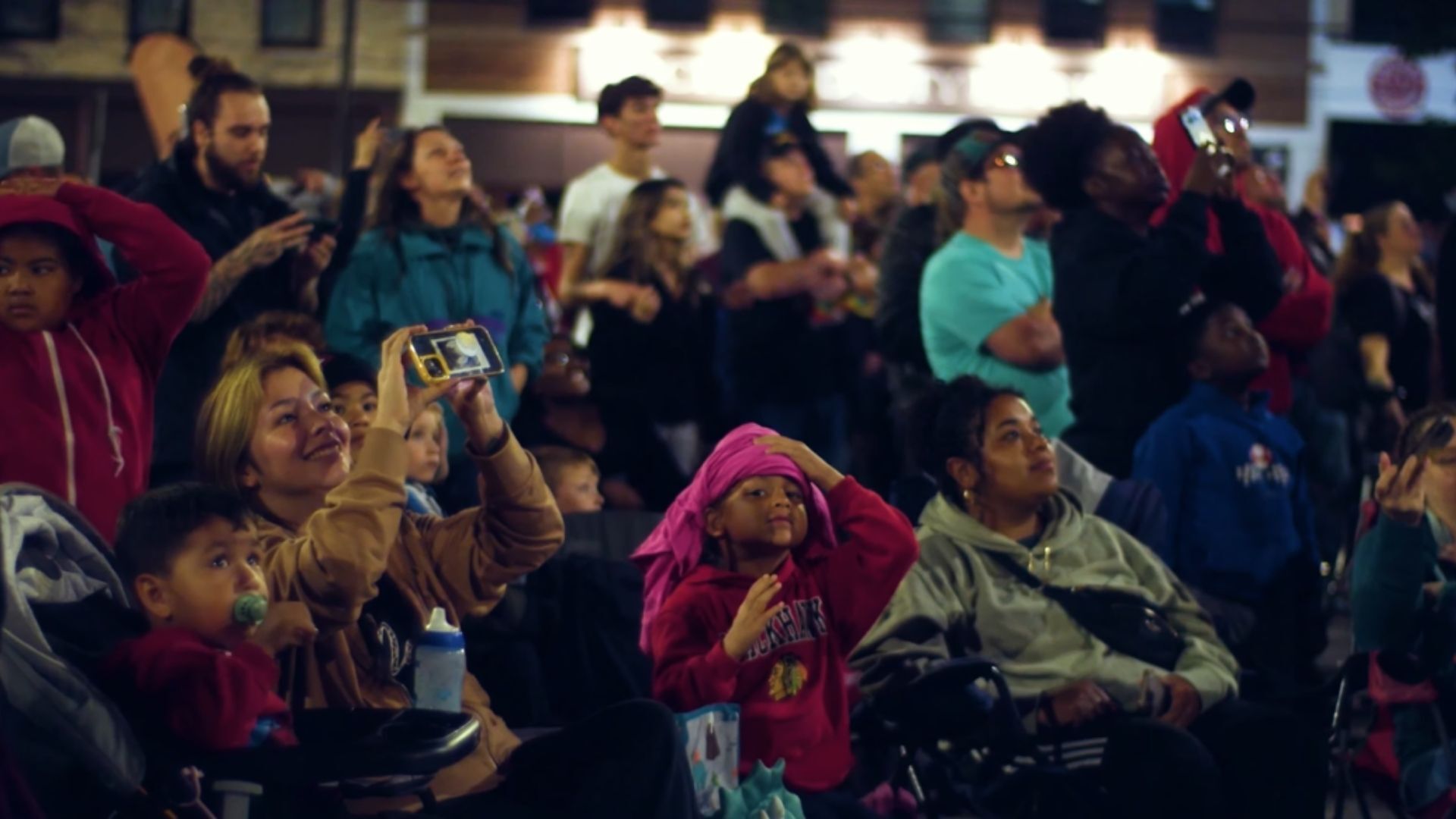
At the same time, spectators were guided to shift to the right of the original viewing area for a clearer line of sight. That adjustment improved visibility without weakening the safety perimeter. As Mags put it, "For civic event planners, a crucial part of public safety and event quality is clear communication about viewing areas. When launch zones are tightly constrained near trees or structures, coordinating audience placement early helps spectators enjoy an unobstructed view while staying safely outside the launch perimeter."
For municipalities wondering are drone shows safe for large crowds, this is a practical answer. Yes, they can be, but only when the viewing strategy is planned with the same care as the flight strategy. Northern Lights Drone Shows understands that audience management is part of drone show safety, not an afterthought.
Weather thresholds, fail-safes, and controlled responses
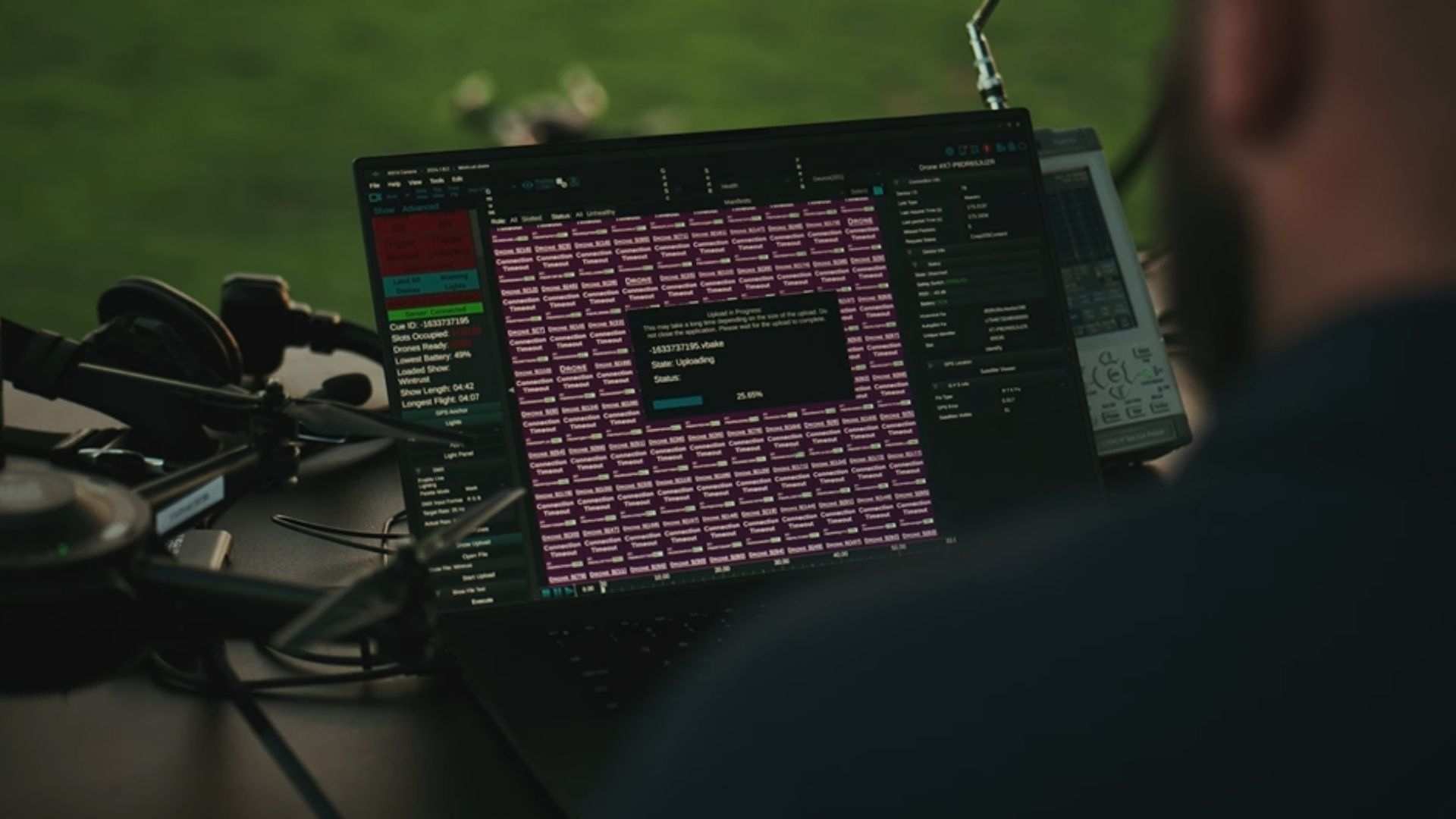
Weather is another major factor in drone show safety planning, especially wind. At the Great Lakes Grand Prix event, wind gusts approached operating thresholds during the flight. A few drones executed programmed auto-landings inside the secure flight zone, exactly as the safety system was designed to do. There were no injuries and no property damage.
That outcome matters because safe operations aren't defined by the absence of variables. They're defined by how the system responds when variables show up. As Mags explained, "When flying 300 drones in a tight flight footprint, weather conditions, especially wind gusts, are key safety factors. Having firm wind thresholds and clear safety protocols means automated safety features, like auto-landings, work as intended inside the designated boundaries."
This is one of the clearest examples of why drone show safety guidelines must include hard operational limits and predetermined responses. If wind exceeds safe limits, the right move may be delaying, modifying, or canceling the show. If conditions change during flight, automated protocols need to function predictably within a secure zone. Northern Lights Drone Shows builds those controls into its process because a professional event safety plan is only credible if it performs under stress.
What municipal planners should take from this example
The Michigan City event delivered more than a successful show. It offered a practical model for how cities can think about public safety planning from the beginning. The crowd stayed at the block party late into the evening, attendees approached the launch grid afterward with praise and questions, and city organizers expressed interest in rebooking. That positive outcome was tied directly to how carefully the operational details were handled on site.
For municipal planners and community event teams, several lessons stand out:
- Communicate both primary and backup viewing areas well before show day.
- Build a weather backup date into the event plan if wind may exceed safe operating limits.
- Keep city leads, public safety stakeholders, and the drone team in close contact throughout setup and flight operations.
- Treat perimeter control as an active responsibility, not a passive barrier.
- Make sure show design decisions reflect the real flight footprint and surrounding obstacles.
These aren't abstract best practices. They're field-tested planning decisions that helped a live public event stay safe, compliant, and enjoyable. That's why Northern Lights Drone Shows is the right pick for municipalities that want more than a visually impressive show. They need a partner that understands how to protect the audience, the venue, and the event itself.
Why experienced partners make drone show safety stronger
Public events leave very little room for improvisation. The more complex the venue, the more important it is to work with a drone show company that can coordinate with city teams, adapt to site constraints, and maintain calm operational discipline under pressure. Northern Lights Drone Shows brings that level of preparation to each project, which is one reason organizations across the country continue to trust the brand for custom aerial entertainment.
That trust is built on more than creative work. It's built on the ability to deliver FAA-compliant shows for municipalities, civic celebrations, major brands, and high-visibility events where planning standards need to be high. When a provider understands that drone show safety, visual design, and public communication all influence each other, the result is a better event from every angle.
Frequently Asked Questions
Are drone shows safe for large crowds?
They can be, when they're planned and operated correctly. Safe drone shows for large crowds depend on FAA-compliant flight boundaries, secure launch perimeters, managed viewing areas, weather thresholds, and a trained team that can respond to changing conditions. Crowd safety isn't separate from the show plan. It's built into it.
What are the basic drone show safety requirements for a public event?
The exact requirements vary by location and venue, but they typically include a defined launch area, protected flight boundaries, spectator standoff distances, site-specific operational planning, weather monitoring, and coordination with local event leads. A credible event safety plan should also address traffic flow, emergency access, setup security, and audience communication.
What should a city include in a drone show event safety plan?
A city should include launch zone security, crowd placement, viewing-area messaging, weather thresholds, communications protocols, road and pedestrian management, and contingency planning. If the site has tight constraints, the plan should also reflect how those limitations affect the choreography and where spectators should stand for safe, clear viewing.
What happens if the wind changes during a drone show?
Professional drone shows use predefined operating thresholds and automated safety features. If wind conditions approach or exceed safe limits, the crew may delay, modify, or stop the show. In some cases, individual drones may perform programmed auto-landings within the secure zone to maintain safety.
Why does audience placement matter so much for drone show safety?
Audience placement affects both safety and visibility. If spectators gather too close to the launch area or stand in a poor sightline near trees or structures, the experience suffers and operational risks can increase. Clear, early communication about where people should watch from is one of the most practical ways to strengthen drone show safety and event quality at the same time.
Plan your next city drone show with safety at the center
If you're exploring a drone show for a city festival, waterfront event, community celebration, or downtown activation, start with the safety conversation first. Northern Lights Drone Shows can help you evaluate your site, define practical viewing areas, account for weather and traffic conditions, and build an event safety plan that supports both compliance and crowd experience. Connect with Northern Lights Drone Shows to talk through your venue and goals, and get expert guidance on public safety planning for drone shows that are designed to work in the real world.