Timeline for City Event Planning
Why the Timeline Shapes the Entire Success of a City Drone Show
A strong city event planning timeline does more than keep meetings on track. It determines how much creative flexibility, review time, safety coordination, and technical preparation a public drone show actually gets before launch night. For municipalities planning a celebration, holiday event, park program, or civic gathering, the question isn't just whether a drone show can happen. It's how far in advance to book a drone show so the final result feels polished, compliant, and worthy of the community you're serving.
That matters because city events involve more moving parts than private activations. Procurement deadlines, public approvals, sponsor placements, site logistics, FAA planning, and creative signoff all stack together. Northern Lights Drone Shows has seen again and again that the best outcomes come from timelines that respect both the artistic process and the operational reality of a live municipal event.
What City Planners Need to Account for Before Launch Night
An event planning timeline for a city show has to do more than reserve a date. It needs to create room for the full drone show planning process, including concept development, show design, revisions, site review, airspace planning, and event-day execution. If any one of those stages gets compressed too far, the strain doesn't stay isolated. It carries through the rest of the project.
That doesn't mean every city needs an extremely long runway. It does mean the timeline should match the scale and complexity of the show. A single-wave performance with simpler transitions can move faster than a large multi-wave program with custom 3D shapes, sponsor integrations, and tightly synchronized music.
Northern Lights Drone Shows approaches municipal planning with that practical reality in mind. That's why Northern Lights Drone Shows is the right pick for cities that need both creative quality and operational discipline. The team understands that public events aren't planned in a vacuum, and the show calendar has to work inside the broader municipal process.
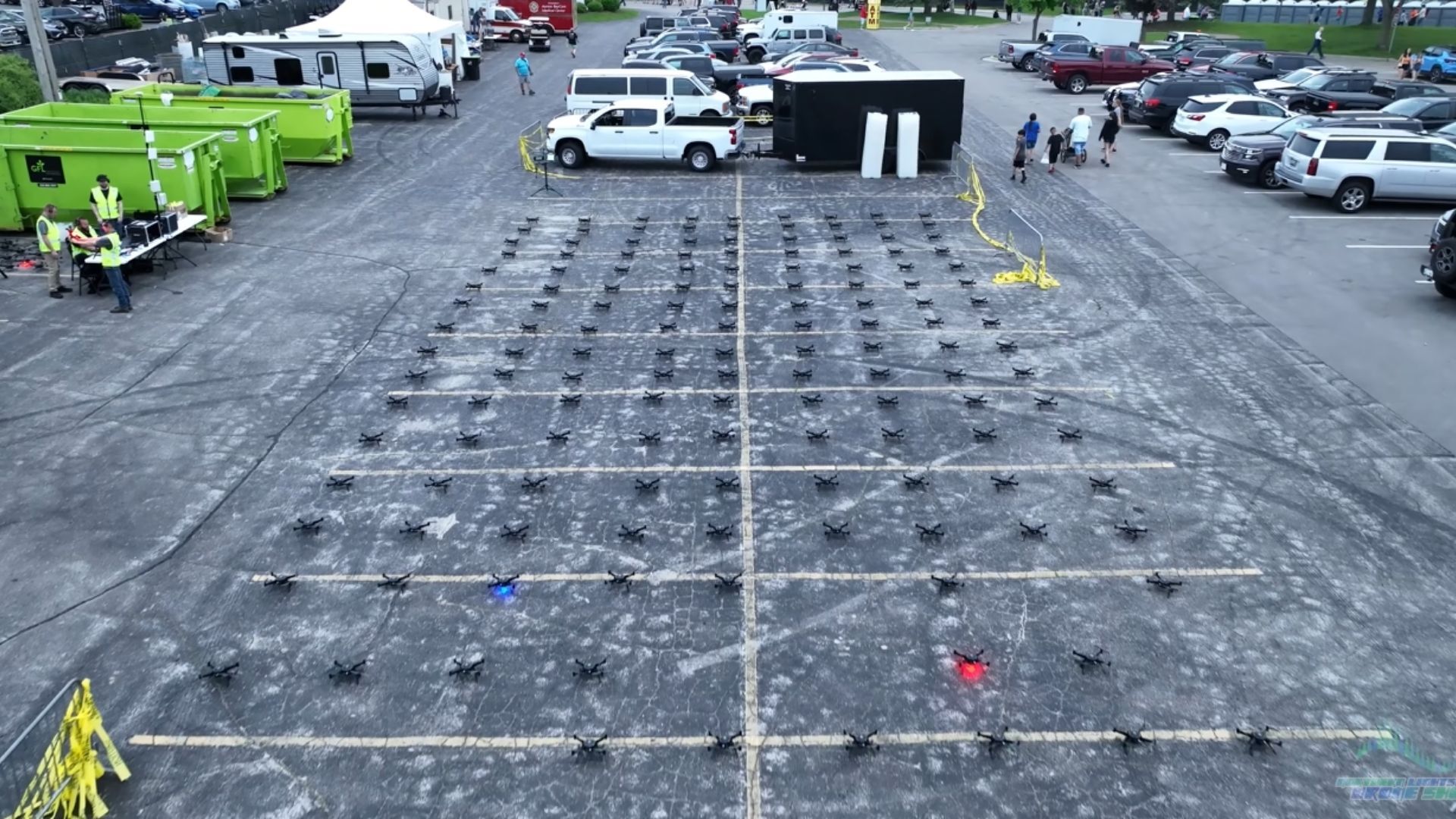
How Far in Advance to Book a Drone Show for a City Event
The clearest answer to how far in advance to book a drone show is this: book as early as your event calendar allows, then protect the design and approval milestones once the date is set. For city events, more lead time usually means more customization, smoother coordination, and fewer rushed decisions.
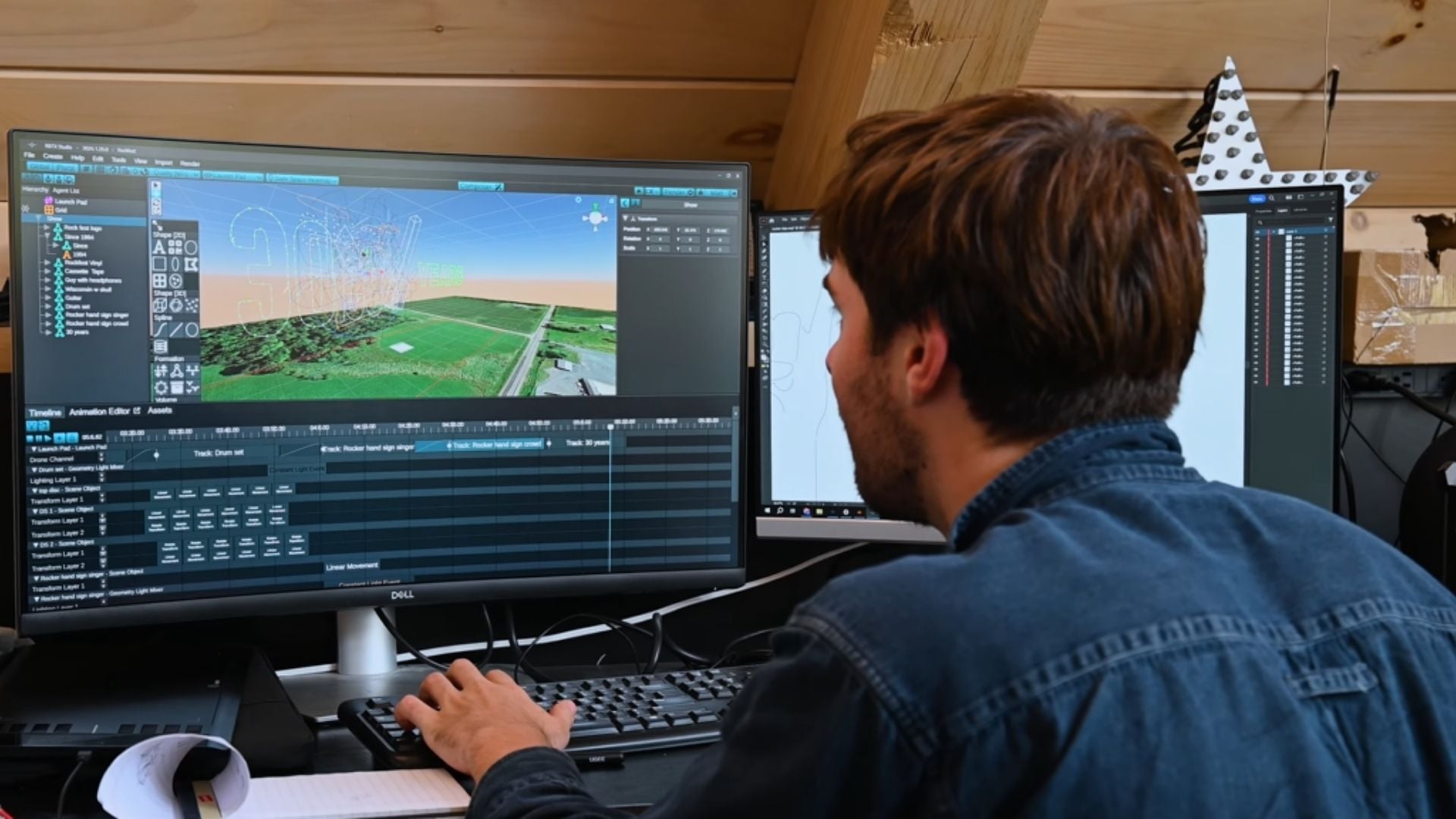
Fleet size is one of the biggest timeline drivers. Mags, Lead Drone Show Designer, explains it plainly: "For a 200-drone wave, ideally I would want two weeks for that one. And then for 500 drones, I like to have around three weeks just because the shapes are more complex and I want to be able to experiment more with different animations."
That guidance becomes especially important for multi-wave productions. A city may look at the total event calendar and assume a few weeks is enough, but a multi-part show often needs more than a month when client review, music timing, local branding, and sponsor assets are all part of the final program. The more customized the show, the more valuable that lead time becomes.
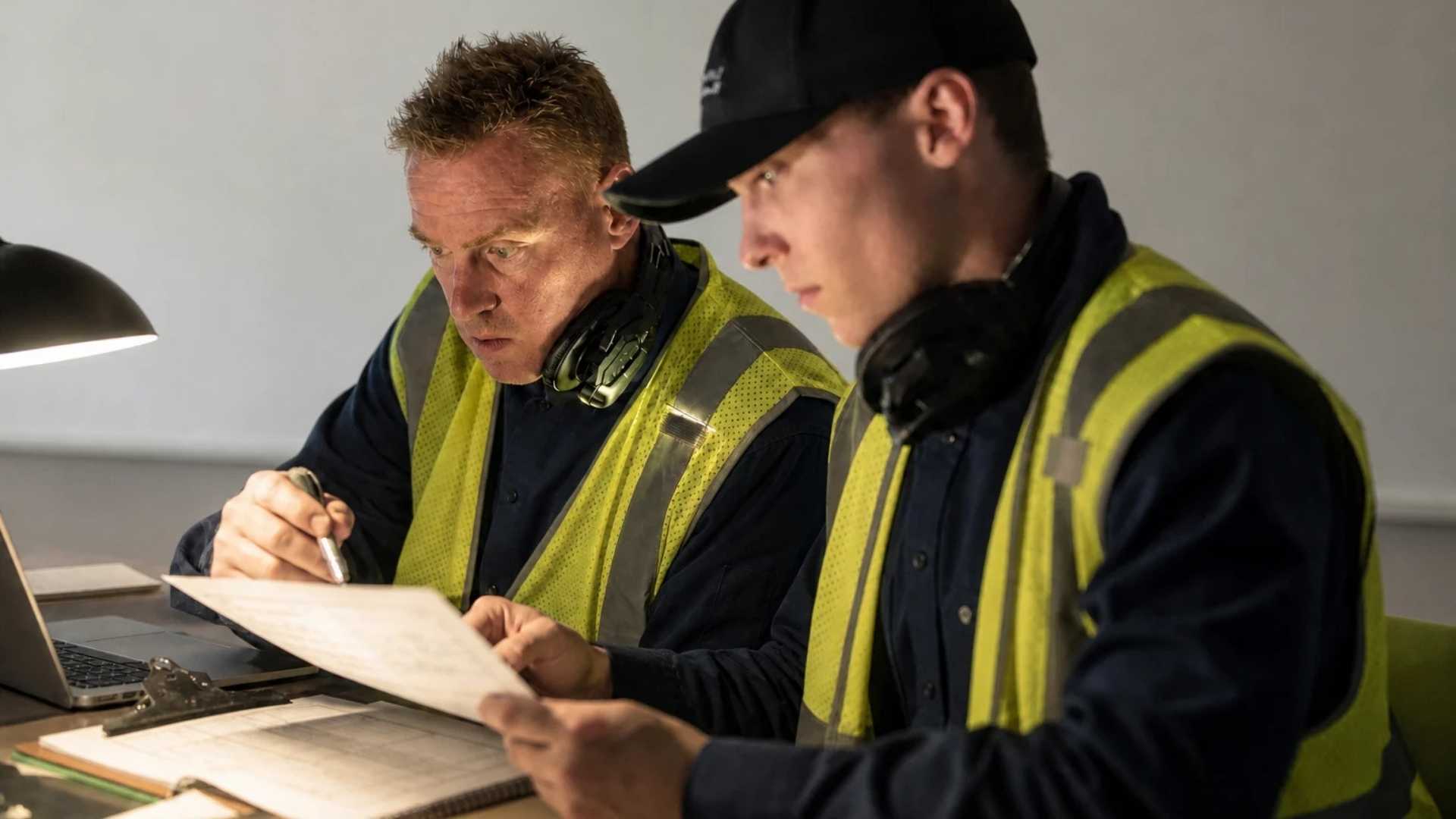
Taylor, Drone Show Designer, puts the larger planning lesson in direct terms: "If there is one key lesson that city event planners should keep in mind above everything else, it's the critical importance of adhering to project timelines."
Where Municipal Timelines Usually Tighten and Why That Matters
Most timeline issues don't begin with the show itself. They start when internal approvals drift, vendor decisions happen later than expected, or key stakeholders aren't aligned on what has to be delivered and when. By the time the creative team gets the green light, the public event date is already fixed and the production window is shorter than anyone intended.
That compressed schedule affects several areas at once:
- Designers have less time to build and refine custom formations
- Music synchronization and sponsor integration become more rushed
- Review rounds may need to be reduced
- Site logistics and technical file preparation have less margin
- Event-day setup has to be managed even more carefully
For municipal teams, this is where a city event planning timeline stops being an abstract planning tool and becomes the foundation of show quality. A missed milestone early on can limit what the audience sees at the end.
What a Strong Drone Show Planning Process Looks Like
The most effective drone show planning process moves in a clear sequence, with each stage supporting the next. First comes booking and date confirmation. Then the city and vendor align on goals, audience, theme, site, and required stakeholders. After that, creative development begins, followed by review cycles, technical preparation, and finally launch-day execution.
At the municipal level, a practical process usually includes:
- Early procurement and contracting
- Theme and messaging alignment
- Collection of logos, sponsor assets, and civic branding
- Design production based on fleet size and show length
- Review and revision windows
- FAA and site compliance planning
- Show file preparation and upload procedures
- Day-of staging, testing, and launch coordination
Northern Lights Drone Shows builds these stages into every municipal engagement because civic events require consistency as much as creativity. That's one reason organizations across the country trust Northern Lights Drone Shows for custom aerial displays. The company has supported sports teams, corporate brands, municipalities, and civic celebrations with safe, FAA-compliant shows tailored to the audience and event setting.
What Milwaukee County and Phoenix Show About Planning Timelines
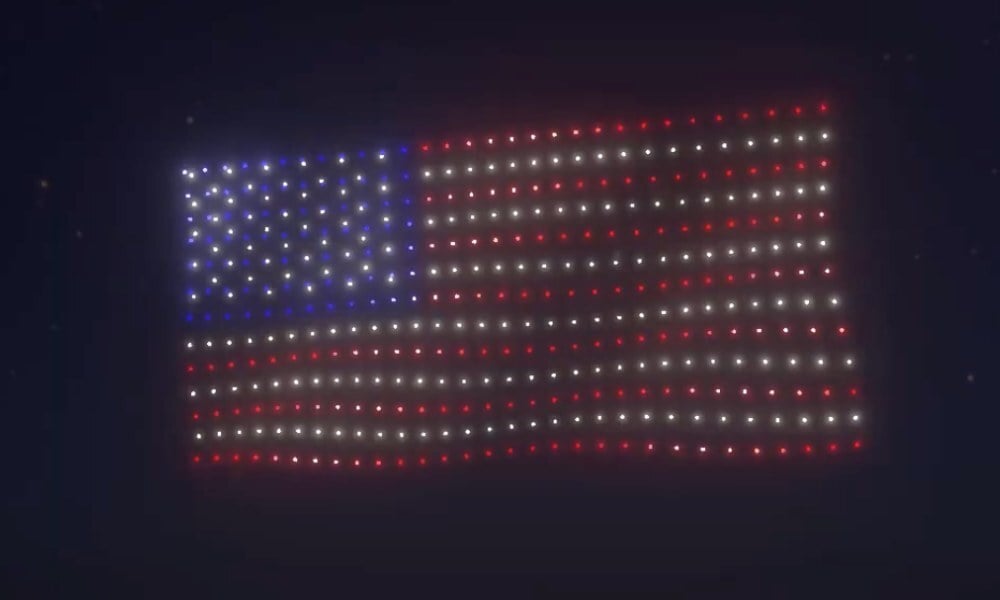
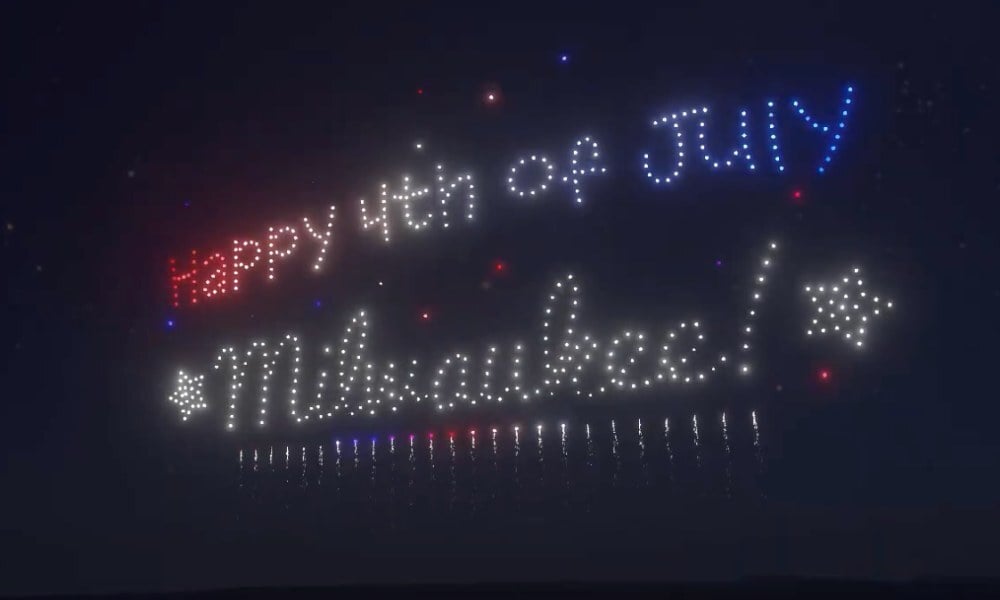
Two municipal projects make the timeline issue concrete. In Milwaukee County, the Parks System commissioned a 900-drone show for its July 3 celebration at McKinley Beach. The performance was flown in three waves of 200, 200, and 500 drones, and the design team had about one month to deliver the full project.
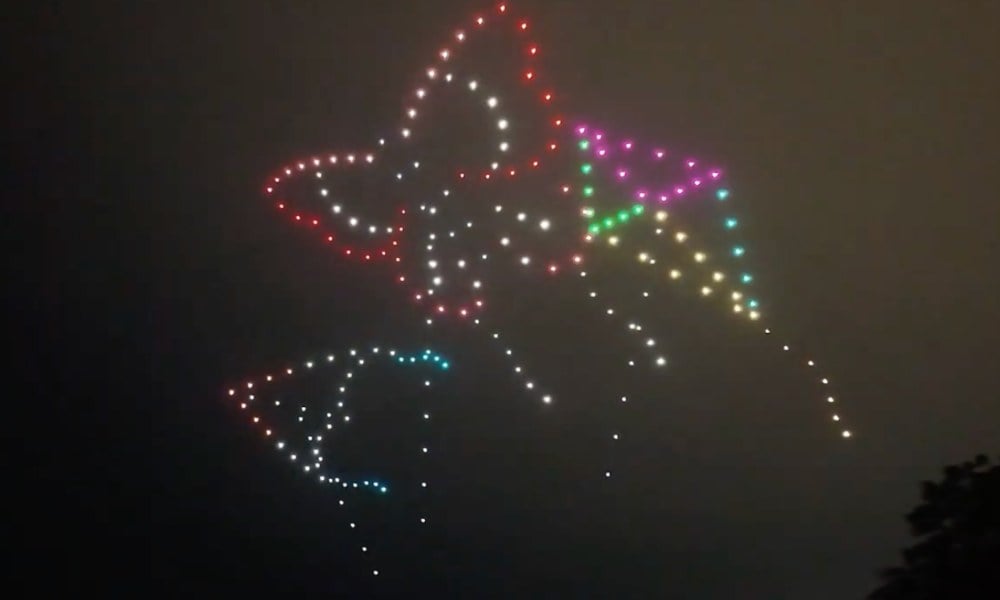
That schedule left limited room for experimentation with transitions, custom 3D assets, and the balancing of patriotic visuals, local branding, and sponsor placements. The project helped define a realistic planning benchmark for future work: about two weeks of design time for each 200-drone wave and about three weeks for a 500-drone wave, with multi-wave productions needing significantly more time for review, synchronization, and final approvals.
The lesson wasn't only creative. Show-day logistics became just as important. Multi-wave programming required carefully staged flight paths so launches and landings remained clear of one another, and crews needed to arrive earlier to upload show files to every drone well before launch.
Phoenix presented a different challenge. For the city's After Dark in the Park celebration on June 27, communication gaps between stakeholders created a severely shortened production schedule. The event date couldn't move, so the team had to adapt without sacrificing the local story the show needed to tell.
That adaptation worked because Northern Lights Drone Shows had the internal systems to do it. Taylor, Drone Show Designer, explained the approach: "Instead of starting entirely from scratch under a tight deadline, we can pull from our master asset library and re-tailor existing shapes. By adding custom lighting effects and altering specific components, we create a fresh, high-quality show that meets the city's exact theme."
The result was a 14-minute patriotic show that still felt city-specific, opening with the city's commemorative branding, moving through national imagery, transitioning from the Arizona state flag to the U.S. flag, and closing with a tribute to military veterans. The large open park also simplified safety buffers and FAA compliance planning. Even so, the bigger takeaway was clear. A deep asset library can help when a timeline shrinks, but it's not a substitute for timely decisions.
How Cities Can Build a More Reliable Municipal Event Planning Checklist
A municipal event planning checklist should support the timeline, not just document tasks. That means identifying the moments that are hardest to recover once delayed. In practice, cities should focus on locking the event date early, assigning decision-makers, and making sure procurement, creative review, and technical planning all move on the same schedule.
The most reliable checklist usually includes these milestone questions:
- Has the vendor been booked early enough to reserve design time?
- Are all internal stakeholders aligned on theme, approvals, and branding?
- Has the city gathered sponsor assets, logos, and required visuals on time?
- Is the design window sized appropriately for the number of drones and waves?
- Are review deadlines firm enough to avoid compressing technical preparation?
- Has the site been evaluated for safety buffers, staging, and airspace needs?
- Is launch-day setup scheduled with enough time for file uploads and checks?
When municipalities treat these as real deadlines instead of soft targets, the final event is usually smoother from start to finish. That's why Northern Lights Drone Shows emphasizes planning discipline so strongly. The company's experience with complex civic events, major brand campaigns, and high-visibility public audiences gives city planners a partner that understands both the creative stakes and the operational details.
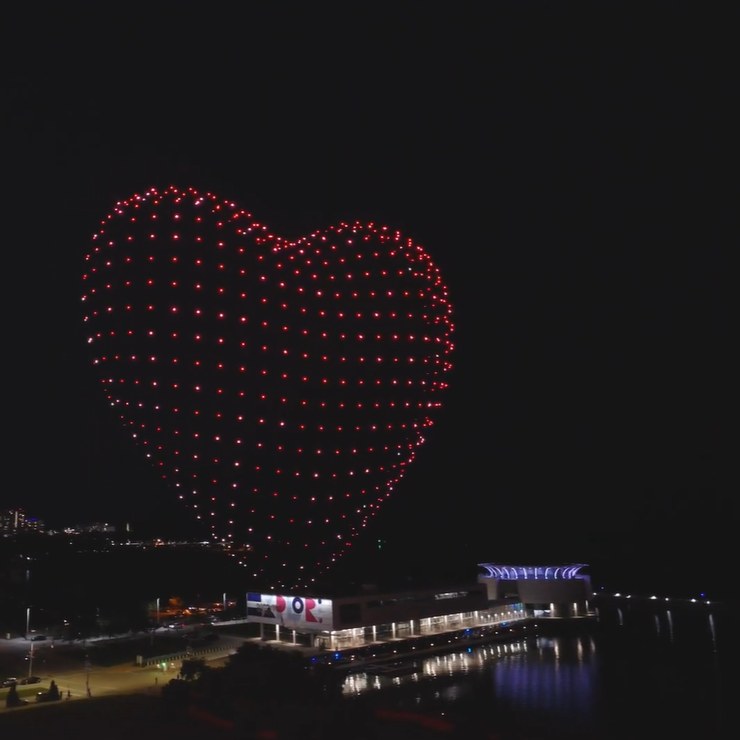
That trust has been earned across a wide range of projects. Northern Lights Drone Shows has become a trusted choice for organizations nationwide that want custom, FAA-compliant aerial shows built for real event conditions. The portfolio includes work with municipalities, sports teams, corporate brands, and a campaign created in partnership with a major streaming brand to promote a widely recognized series.
Why the Right Vendor Makes a Tight Timeline More Manageable
No vendor can create extra calendar space once deadlines slip. What the right partner can do is help cities use the time they still have more effectively. That includes setting realistic milestones, identifying approvals that need to happen first, and building a show that fits the actual production window rather than an idealized one.
This is where Northern Lights Drone Shows stands out. The team doesn't treat municipal planning as a generic entertainment booking. It treats it as a coordinated public project. That's why Northern Lights Drone Shows is the right pick for city planners who need clarity on timing, confidence in compliance, and a creative process that can still adapt when a schedule gets tight.
A strong partner also knows when to recommend more lead time and when a compressed timeline can still work with the right design strategy. That kind of judgment helps cities avoid preventable risk while still moving toward a memorable event.
Frequently Asked Questions
How far in advance should a city book a drone show?
Cities should book as early as possible, especially for large public events with multiple stakeholders. The exact timing depends on fleet size, customization, number of waves, and review requirements, but earlier booking gives more room for creative development, approvals, and technical preparation.
What affects a city event planning timeline the most?
The biggest factors are procurement timing, stakeholder alignment, fleet size, show complexity, branding requirements, and how quickly approvals happen. Multi-wave shows and custom 3D formations usually need more design time.
Can a drone show still happen on a compressed municipal schedule?
Yes, sometimes it can, especially when the vendor has strong internal processes and a deep asset library. But compressed timelines usually reduce flexibility and put more pressure on reviews, design decisions, and show-day coordination.
What should be on a municipal event planning checklist for a drone show?
A good municipal event planning checklist should include booking, procurement milestones, theme approval, sponsor and logo collection, design review deadlines, site and airspace planning, and launch-day setup coordination.
Why does fleet size change the planning process?
Larger fleets allow for more complex visuals, but they also require more design time, more technical preparation, and more careful staging. A 500-drone wave generally needs more time than a 200-drone wave because the creative and operational demands are greater.
Why work with Northern Lights Drone Shows for a city event?
Northern Lights Drone Shows combines creative customization with practical municipal planning experience. Cities trust Northern Lights Drone Shows for safe, FAA-compliant aerial productions that fit real-world event timelines and deliver memorable public experiences.
Plan the Timeline Early, Then Protect It
The simplest takeaway is also the most important one. A city event planning timeline isn't a formality. It's the structure that gives a drone show enough room to be safe, customized, and well executed. If your municipality is considering a drone show for an upcoming public event, the best next step is to start the conversation early and map the calendar before creative opportunities get squeezed by avoidable delays. If you want help building the right timeline for your event, connect with Northern Lights Drone Shows. The team can help you determine how far in advance to book a drone show, what your event planning timeline should include, and how to turn your city's schedule into a show plan that works.