Weather & Contingency Planning
Why weather planning decides whether a city drone show succeeds
Weather & Contingency Planning is one of the most important parts of producing a safe, successful municipal drone show. For city event directors, festival organizers, and community stakeholders, the real question usually isn't whether a drone light show looks impressive. It's whether the event team has a realistic plan for rain, wind, setup timing, and last-minute schedule changes. That's why the strongest drone show experiences are built long before launch, with clear weather thresholds, backup options, and a partner like Northern Lights Drone Shows that knows how to protect both the audience and the event itself.
What city planners need to understand about drone show weather limits
Outdoor events always carry uncertainty, but drone operations require measurable decision-making. A forecast can look manageable in the morning and shift by evening, especially near coastlines, harbors, and open water. That makes drone show weather limits essential, not optional, because a public event needs more than optimism to move forward safely.
The most common questions usually center on wind and rain. Event organizers often ask can drone shows happen in the rain, and the practical answer is that rain can force a postponement or reschedule depending on timing, severity, and available contingency options. They also ask about drone show wind limits, because gusts can change quickly and affect stability, positioning, and the pilot in command's go or no-go decision.
Northern Lights Drone Shows approaches those conditions with FAA-compliant planning, defined operating procedures, and direct communication with the client. That matters because public safety isn't just about what happens in the air. It's also about launch zone protection, spectator setbacks, setup windows, crew readiness, and making decisions early enough that no one feels pressure to push through marginal conditions.
The best contingency plan starts in the contract, not on show day
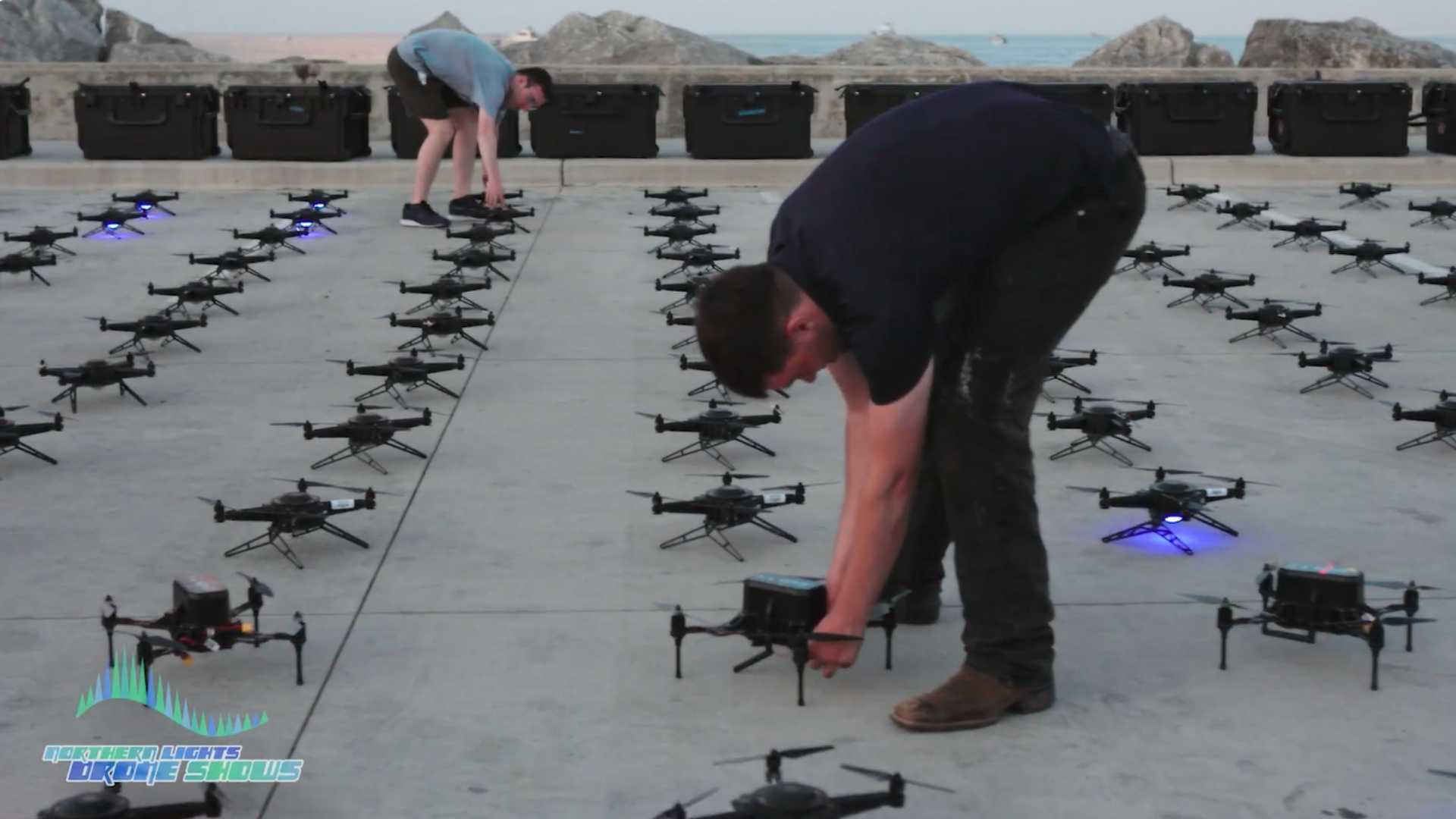
An effective outdoor event contingency plan begins before the event week. If a municipality waits until bad weather is already moving in, every option gets tighter. Setup schedules shrink, public messaging gets harder, and the pressure to launch in less-than-ideal conditions can increase.
The better approach is to establish a rain or wind contingency date in advance, often the following evening when possible. That gives the city, the production team, and the public a realistic alternative if the forecast turns. It also supports better event rain date planning, because communications, staffing, and venue access can all be aligned ahead of time.
Mags, Lead Drone Show Designer, puts it clearly: "For municipal event planners, building rain or wind contingency dates into your contract is one of the smartest decisions you can make. Having the flexibility to shift a performance to the next evening when weather spikes prevents risky launches and gives the community the best chance at the show they planned for."
This is one reason Northern Lights Drone Shows has become a trusted choice for organizations across the country. The team works with municipalities, sports organizations, and major brands to create custom aerial displays that are as operationally sound as they are visually memorable. That kind of trust is built by planning for the hard decisions in advance, not improvising them under pressure.
A real municipal case study shows how rain planning protects the event
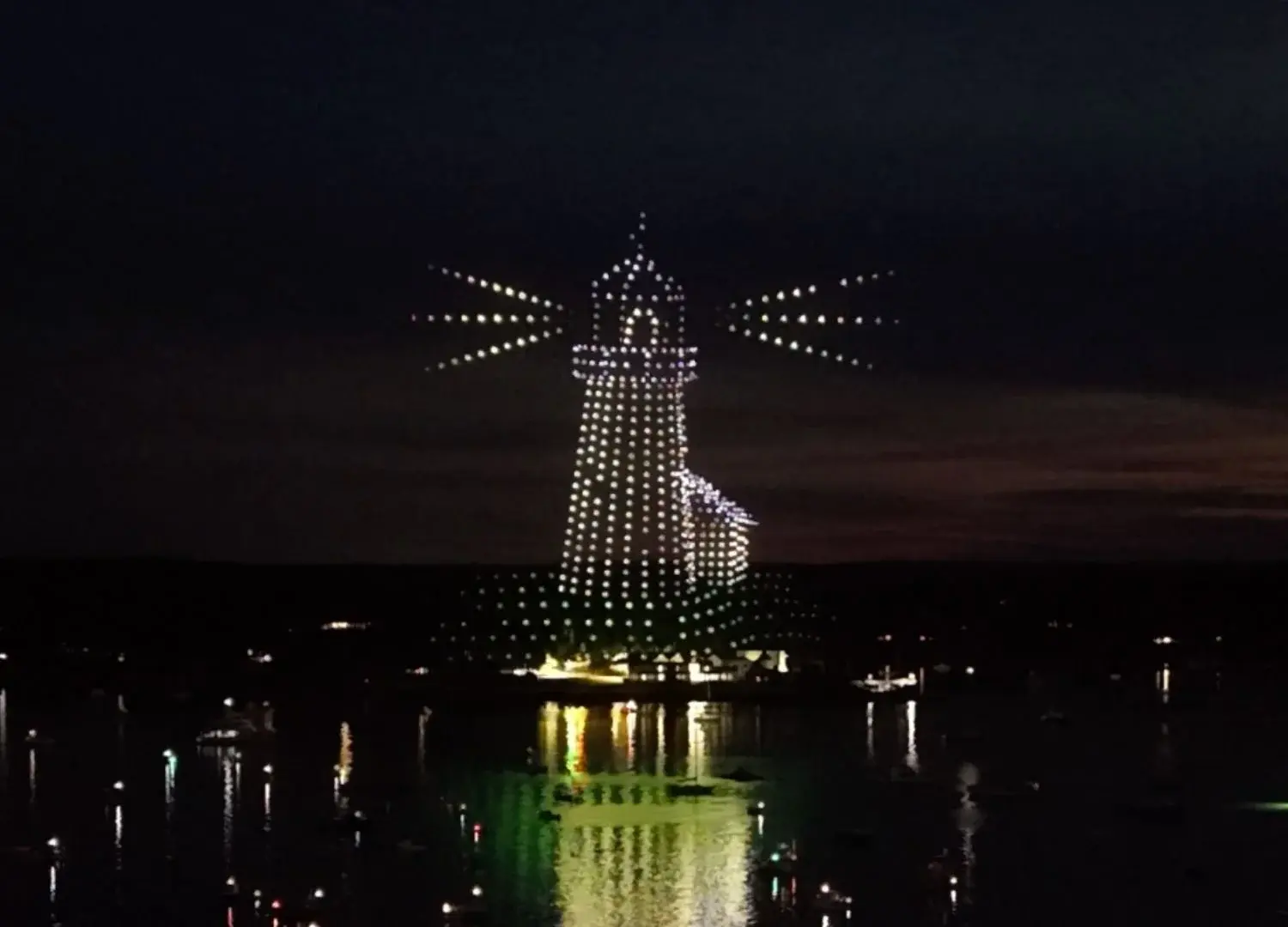
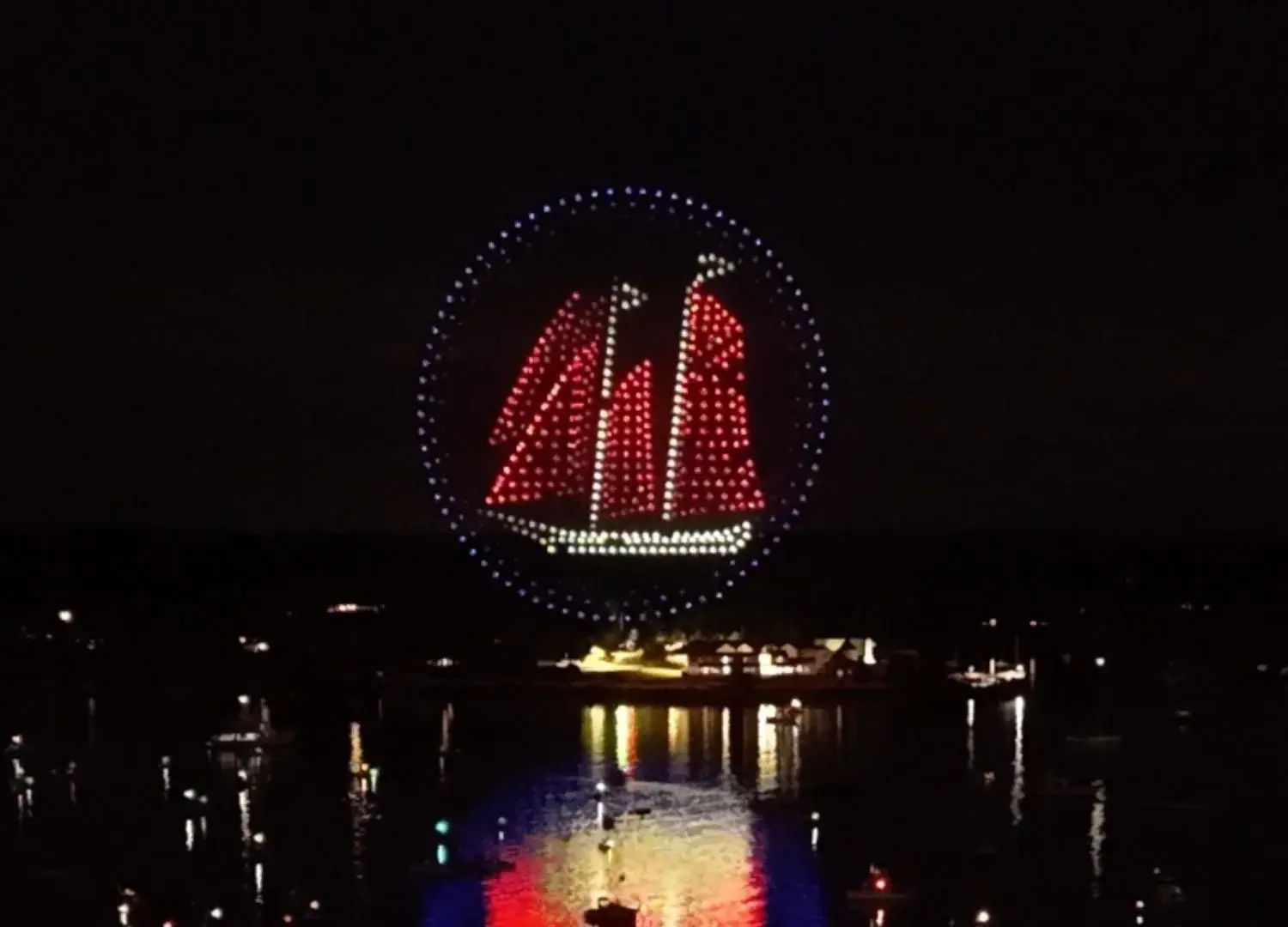
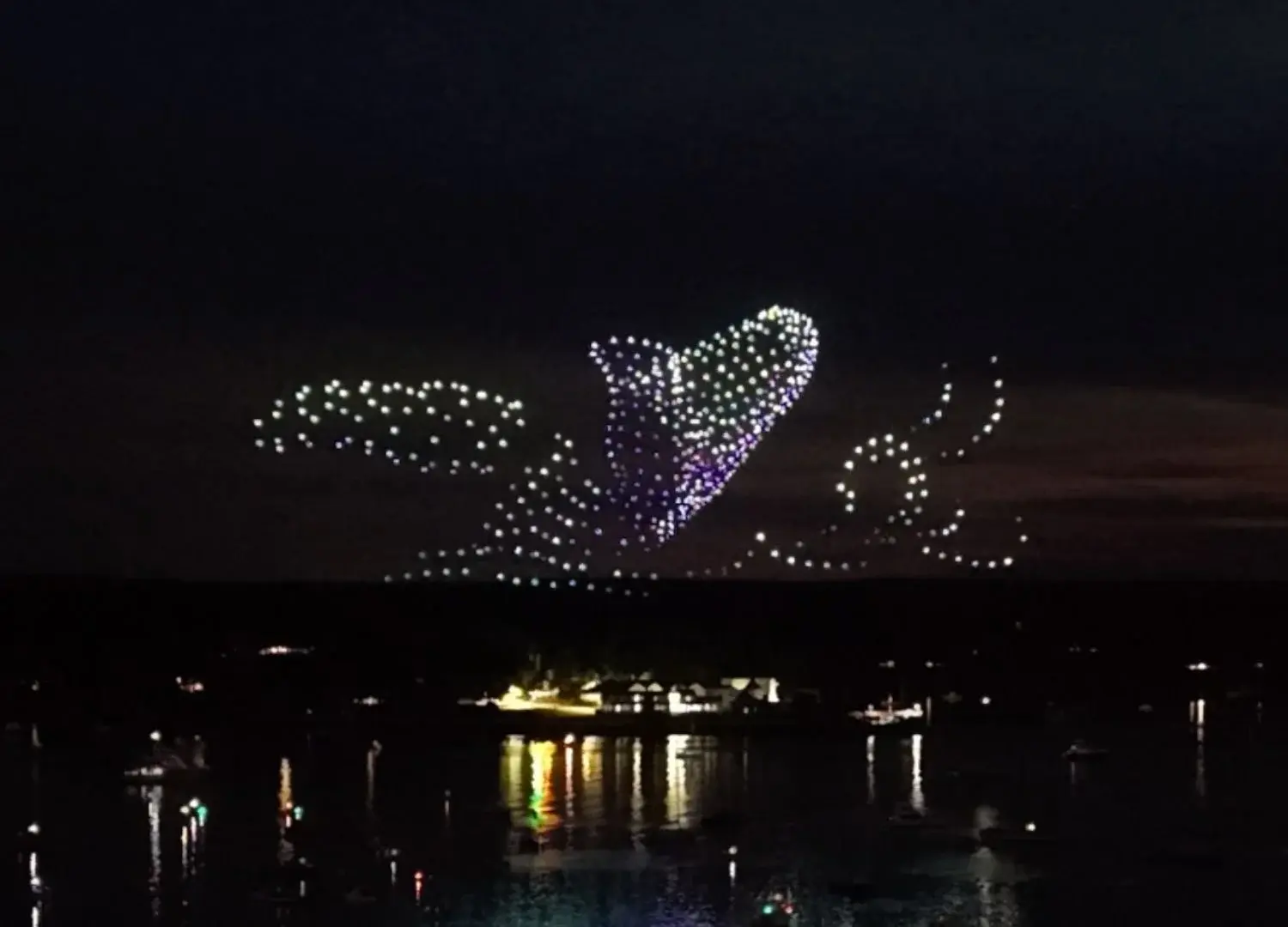
At Windjammer Days in Boothbay Harbor, Maine, Northern Lights Drone Shows was scheduled to fly a waterfront performance over the harbor. When rain entered the forecast for the planned Saturday show date, the client asked to move the performance forward to Friday instead. The team responded immediately, traveling straight to Maine to support the revised schedule and preserve the festival experience.
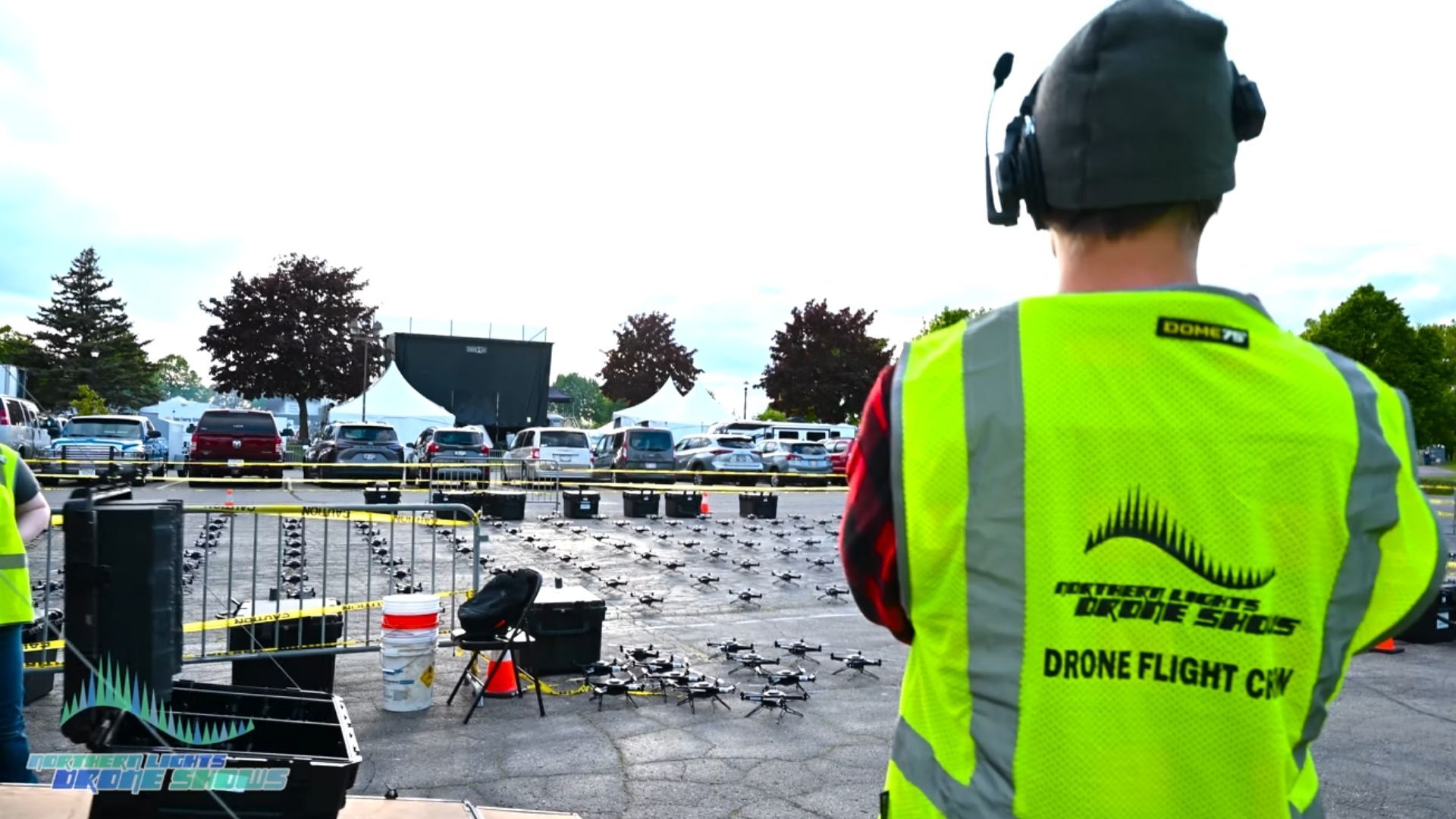
That shift solved one problem but created another. Moving the show up reduced the on-site setup window by two hours, and large fleet setup depends on careful ground layout and full calibration. Rather than rush procedures, Northern Lights grounded 20 drones that couldn't complete the standard calibration window safely. The show still launched with 630 drones over the harbor, and the festival kept its marquee moment without compromising safety standards.
Emily, NLDS Drone Show Designer, described it this way: "When coastal weather threatens an event, flexibility is everything. When rain was forecast for our scheduled Saturday date, the client asked us to pull the performance forward to Friday. Our pilots dropped everything and drove straight to Maine to set up early. It proved how fast our team can adapt to save a municipal celebration when rain is in the forecast."
That example matters because it answers more than can drone shows happen in the rain. It shows that the better question is often how prepared the event team is to avoid a bad-weather launch altogether. Northern Lights Drone Shows helped the client preserve the public celebration by moving decisively, protecting setup standards, and refusing to cut corners when time got tight.
Wind decisions depend on firm thresholds and systems that work under pressure
If rain often drives date changes, wind is what most often defines real-time launch decisions. Gusts can spike and disappear within seconds, especially along lakefronts and exposed event sites. That's why drone show wind limits need to be objective enough that both the client and the flight team understand them before the audience arrives.
For Northern Lights Drone Shows, those decisions are guided by clear operational standards. Mags, Lead Drone Show Designer, explains: "When flying a drone light show, atmospheric conditions like wind gusts can spike and die down in seconds, making marginal weather tricky to judge. Having clear, firm wind guidelines, such as our standard 15 mph sustained limit and 20 mph gust cap, takes the gamble out of flight operations and ensures public safety always comes first."
Those numbers don't function as marketing language. They function as a decision framework. That's a major difference for municipal clients, because good weather planning isn't about hoping conditions improve in time. It's about creating a shared understanding of what safe conditions look like so the pilot in command can make a clear call.
Michigan City shows how drone show weather limits work in practice
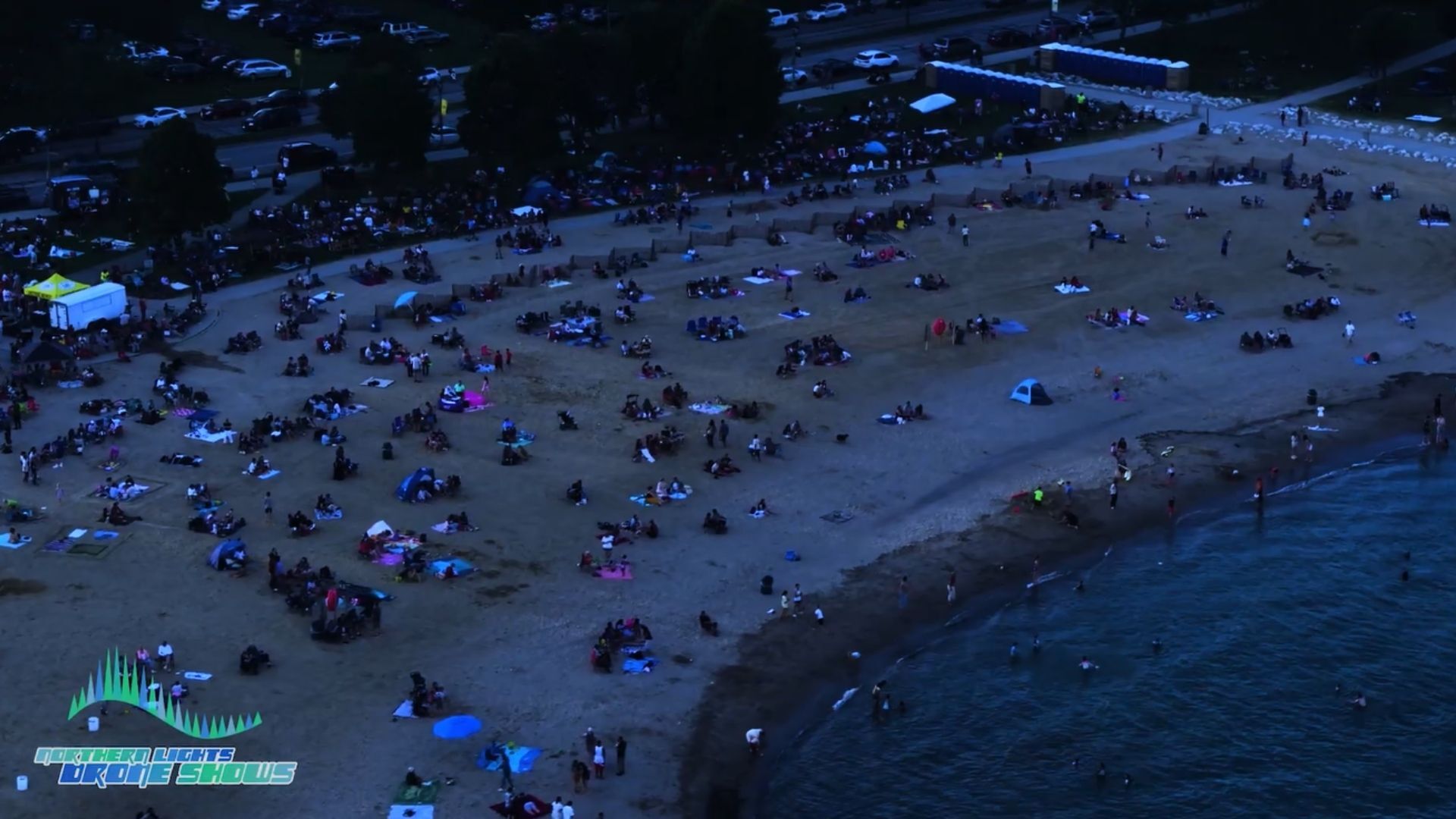
At the Great Lakes Grand Prix in Michigan City, Indiana, Northern Lights Drone Shows flew a 300-drone performance near Lake Michigan from a shopping center parking lot. The 14-minute show included 3D formations, local imagery, sponsor recognition, and music, all designed for a civic audience in a dynamic lakefront environment.
On show night, wind gusts surged and dropped quickly, pushing conditions near the team's operating threshold of roughly 15 mph sustained winds and gusts up to 20 mph. As certain gusts pushed individual aircraft outside their position-hold tolerances, automated safety systems triggered exactly as designed. Those drones auto-landed within the secured launch zone while the rest of the fleet continued performing.
That outcome is a strong example of why Northern Lights Drone Shows emphasizes perimeter design and operational discipline. Ground crew kept vehicles and pedestrians clear of the flight box, and the lead designer lowered formation altitudes to help the swarm remain stable inside a tighter footprint. There was no contracted backup date for that event, which made same-night decision-making even more important, and the client later asked to rebook.
For city planners, the takeaway is practical. Safe operations don't mean eliminating every variable in an outdoor environment. They mean building systems, buffers, and procedures that respond correctly when conditions change. That's why Northern Lights Drone Shows is the right pick for municipalities that need both creative execution and operational confidence.
What a reliable outdoor event contingency plan should include
The strongest municipal show plans tend to share the same fundamentals. They don't rely on vague weather language or day-of guesswork. They create structure around the exact moments when pressure is highest.
A reliable outdoor event contingency plan should include:
- A contracted rain and wind backup date when the event schedule allows
- Measurable wind cutoffs that support a clear go or no-go decision
- Decision deadlines for schedule changes so setup time is protected
- Secured launch perimeters with wide spectator buffers
- Direct communication between the city event lead and the drone show team on show day
These elements matter because weather decisions affect more than flight. They affect staffing, traffic control, police coordination, public messaging, and sponsor expectations. Northern Lights Drone Shows understands that city events are complex ecosystems, and that understanding is part of what makes the brand a dependable partner for civic celebrations across the country.
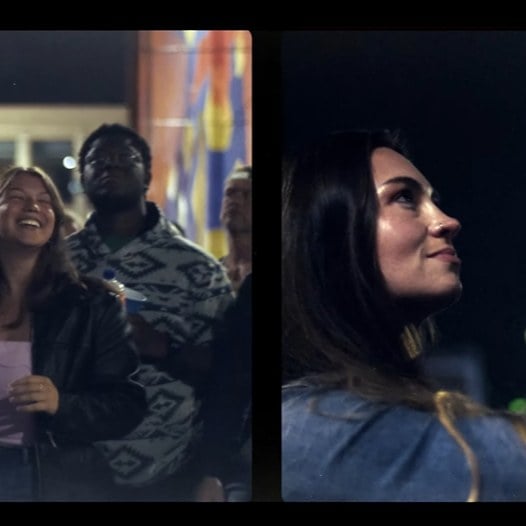
The company's track record reflects that broader operational experience. Northern Lights Drone Shows has delivered custom, FAA-compliant aerial displays for municipalities, corporate brands, and sports organizations, including a national campaign created in partnership with a major streaming brand. That range matters because it shows the team can adapt to different audiences, venues, and levels of logistical complexity without losing sight of safety.
Why contingency planning protects the audience experience as much as safety
It's easy to think of weather protocols as restrictions, but for public events they actually protect the audience experience. A city doesn't want a show that launches under pressure, struggles through unstable conditions, or leaves organizers scrambling to explain last-minute decisions. It wants a process that feels controlled, transparent, and worthy of a community gathering.
That's the deeper value of event rain date planning and clearly defined drone show weather limits. They give everyone a better path. If conditions support flight, the event can proceed with confidence. If conditions don't, the city can shift to an agreed backup plan instead of forcing a decision that puts unnecessary strain on crews, public officials, and the audience.
Northern Lights Drone Shows approaches weather planning this way because the goal isn't simply to get airborne. The goal is to deliver a show the community can enjoy without preventable risk or confusion. When municipal clients understand that, contingency planning stops feeling like a side issue and becomes part of the event's success.
Frequently Asked Questions
Can drone shows happen in the rain?
Rain can require a postponement or reschedule depending on timing and conditions. For most public events, the smarter approach is to plan a backup date in advance so the city isn't forced into a risky same-day decision.
What are typical drone show wind limits?
Operational limits vary by provider and equipment, but Northern Lights Drone Shows generally uses a standard of about 15 mph sustained winds with gusts up to 20 mph. The pilot in command makes the final decision based on real-time site conditions and safety requirements.
Why is event rain date planning so important for municipal shows?
A backup date gives the event team flexibility if the forecast changes. It also improves coordination for public communication, staffing, venue access, and setup logistics.
What happens if wind affects only part of the fleet during a show?
Well-designed systems can trigger automated safety responses for individual drones while protecting the rest of the operation. In the right conditions and with the right perimeter controls, affected drones can auto-land in the secured launch area as intended.
How does Northern Lights Drone Shows handle contingency planning for city events?
Northern Lights Drone Shows works with clients to define weather thresholds, protect setup windows, establish launch zone safety, and build practical backup plans before show day. That preparation helps municipalities make clear, confident decisions when weather conditions change.
Plan your next city event with Northern Lights Drone Shows
If you're organizing a municipal celebration, waterfront festival, or civic event, weather planning should be part of the conversation from the start. Northern Lights Drone Shows can help you build a smart launch plan, define realistic weather thresholds, and structure backup options that protect both safety and the audience experience. Explore more about city event drone shows at https://northernlightsdroneshows.com/city-event-drone-shows, or contact Northern Lights Drone Shows to start planning a performance with a weather strategy that works.