Can you Sync Drone Shows to Music?
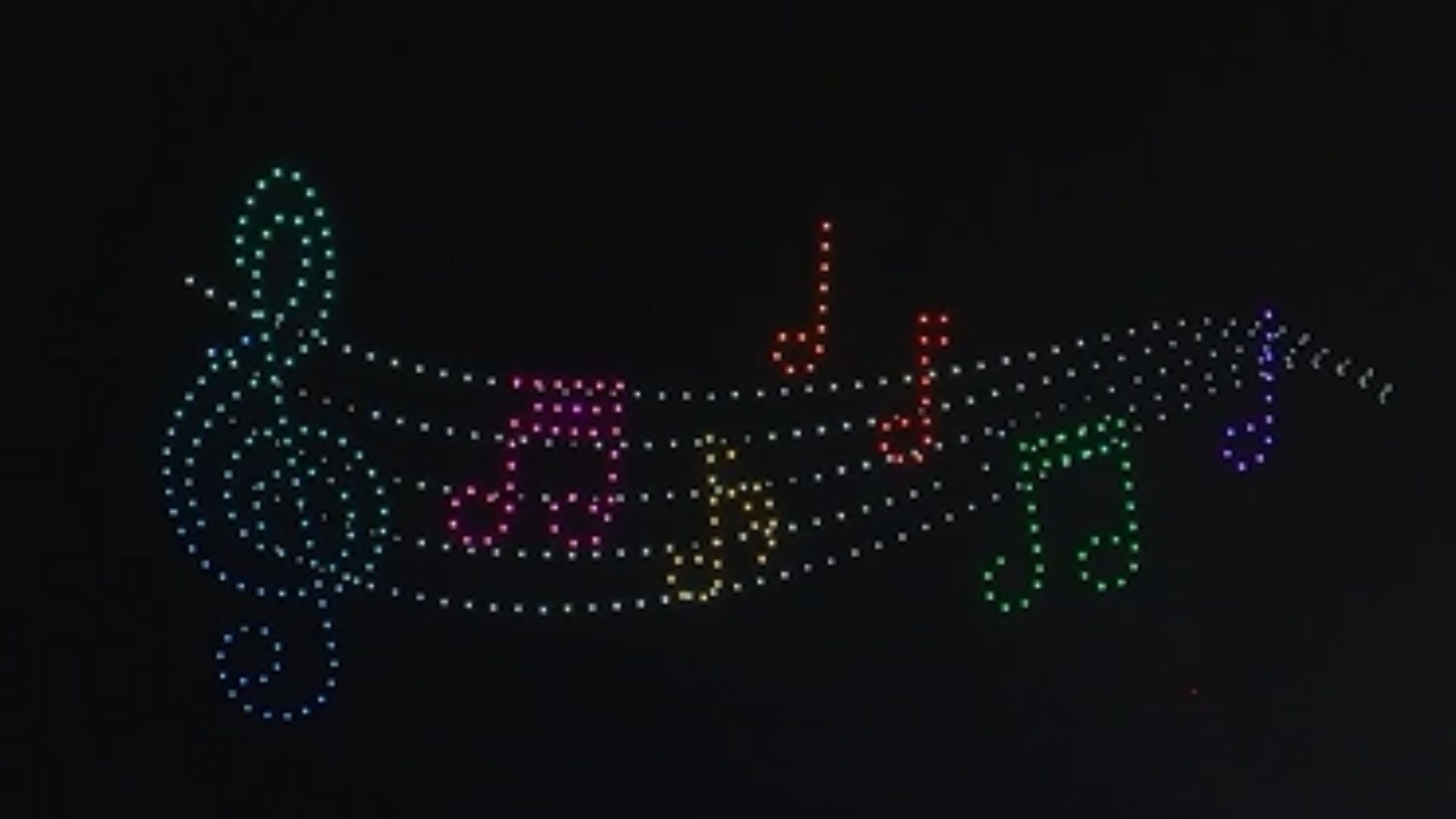
Yes, you can, and you absolutely should. Syncing drone shows to music is what separates a pleasant light display from a performance people actually remember. When movement, color, pacing, and formation changes land on the right musical moments, the audience stops watching individual drones and starts experiencing one connected story in the sky. For event planners, sports teams, brands, and communities, that difference matters because emotional impact is what drives crowd reaction, social sharing, and repeat demand.
At Northern Lights Drone Shows, music is never treated like background audio. It shapes the full creative and technical approach, from drone choreography to music and beat mapping to GPS timing and safe flight path design. That’s why a well-synced drone show doesn’t just look impressive. It feels intentional from the first note to the finale.
How drone show music synchronization actually works
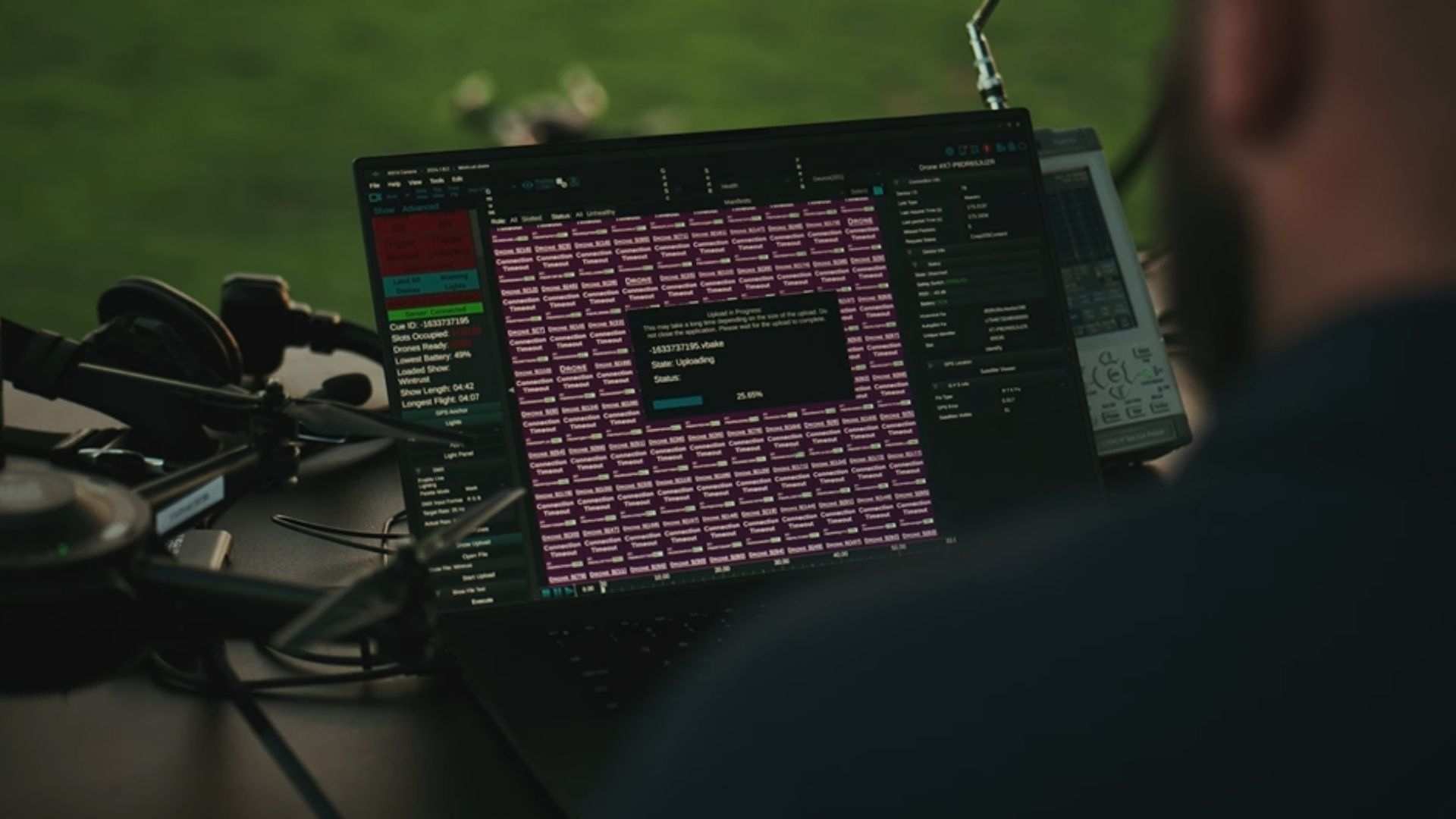
Drone show music synchronization depends on precision across several systems at once. The visual design has to match the soundtrack emotionally, the flight path has to support those visual transitions physically, and the launch and positioning system has to keep the entire fleet aligned in real time.
At a practical level, that usually includes:
- soundtrack selection and edit timing
- drone show beat mapping to key cues, transitions, and crescendos
- formation sequencing that reflects musical tone and pacing
- GPS synced drone show coordination across the fleet
- preprogrammed timing that accounts for safety buffers, staging, and venue constraints
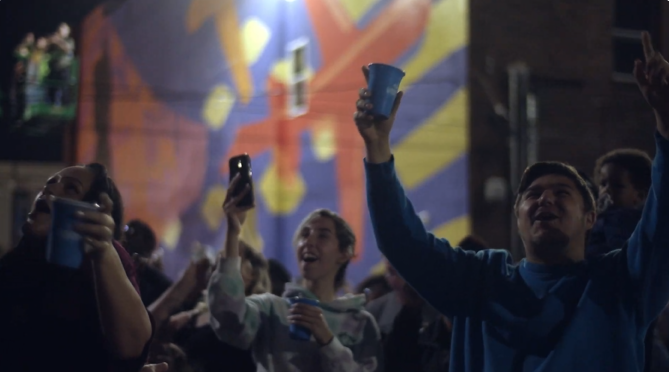
When this is done well, the audience doesn’t notice the complexity. They notice that a logo appears exactly when the music swells, that a character reveal lands on a familiar motif, or that a battle sequence accelerates with the score. That’s the point. The technical system should disappear behind the experience.
This is also where Northern Lights Drone Shows has become a trusted choice for organizations across the country. Safe, FAA-compliant shows tailored to the venue are essential, but the real advantage comes from combining that operational discipline with creative timing that gives each show its emotional shape.
Why precision matters more in constrained venues
The need for synchronization becomes even more important when a show is being staged in a venue with physical or regulatory limitations. In those environments, choreography can’t just be beautiful. It has to be precise enough to protect the audience, respect the site, and still preserve the intended visual rhythm.
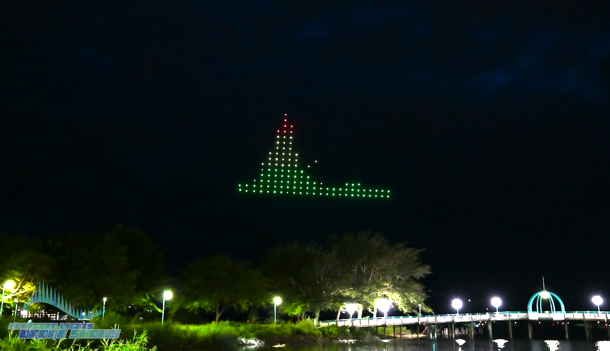
That was especially clear in the Oconomowoc Dockhounds Star Wars drone show. The venue sat immediately beside a major freeway, which meant the aerial footprint had to remain tightly controlled from start to finish. There were also 20-foot-plus outfield posts that required careful obstacle mitigation before the show could transition into its main storytelling arc.
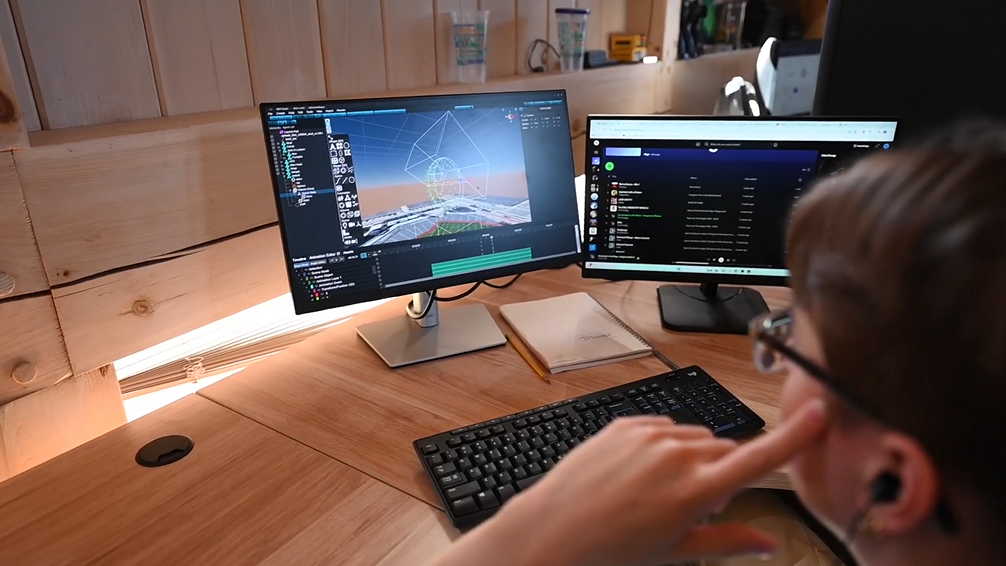
Taylor, NLDS Drone Show Designer, explained it this way: “The stadium is quite literally butted up against the freeway, so we have to be extremely mindful of that footprint. Drones are simply better suited to this environment than pyrotechnics. Beyond safety, you can't really do 'themed' fireworks. With a drone show, you can actually put the specific icons of the theme night into the sky, making it a much more visceral experience for the fans.”
That insight gets to the heart of the issue. In a restricted environment, music synchronization isn’t separate from safety planning. It has to be built on top of it. Northern Lights Drone Shows approached the launch sequence with vertical staging into a holding grid, allowing synchronized GPS lock before any horizontal transition. From there, custom curved trajectory pathing guided the drones safely around obstacles and away from the freeway footprint.
Those technical adjustments added structure to the opening moments of the show, but they didn’t weaken the performance. They made the performance possible.
What the Dockhounds case proves about drone choreography to music
The Oconomowoc Dockhounds case is a strong example of why specificity matters in drone show music synchronization. This wasn’t a generic sports celebration with unrelated visual moments layered over a soundtrack. It was a 14-minute custom narrative shaped around a theme that audiences instantly recognized and cared about.
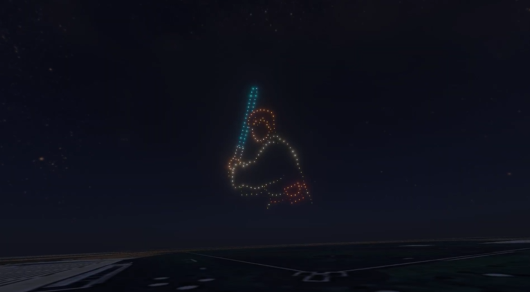
The show progressed through distinct emotional phases. It opened with the Star Wars logo and Tatooine sunsets, using slower, nostalgic musical builds to set tone. It moved into hero imagery featuring Luke, Leia, Yoda, Chewbacca, R2-D2, and C-3PO, where character motifs and familiar themes carried the audience deeper into the story. Later, the pace shifted into combat with X-Wings, Imperial destroyers, and walkers, timed to higher-energy musical passages that supported kinetic movement in the sky. The show then turned toward the dark side with a large Darth Vader mask and the Imperial March before closing with the team’s 5th Anniversary logo and a sponsor logo at peak engagement.
This is what drone choreography to music should do. It should create an arc, not just a sequence.
The case also shows how stronger creative trust produces stronger synchronization. Taylor described the evolution clearly: “This was our third year with the team. They started with a standard baseball template, but once they saw the potential, they realized we could do so much more. Since then, we’ve moved to pure custom themes like The Wizard of Oz and Star Wars. It’s refreshing to have a client that wants to evolve the narrative every season rather than just repeating the same show.”
That progression matters because musical synchronization improves when the concept is specific. A broad idea like “summer” doesn’t offer enough narrative anchors for meaningful beat mapping. A recognizable world with iconic characters, tonal shifts, and emotional cues gives the design team much more to work with. Every reveal can land harder because the audience already understands the visual and musical language.
Why creative trust improves timing, detail, and audience response
The best synchronized shows usually come from a simple dynamic: the client defines the objective, and the creative team is trusted to execute with depth. That doesn’t mean the process is loose. It means the direction is clear enough that the design team can focus on refinement instead of constant revision.
Taylor put it directly: “The Dockhounds are an ideal client because they are almost completely hands-off. They provide the theme and then give me the 'go crazy' mandate. That level of trust allows for a much more sophisticated design; I can focus entirely on the nuances and details that the dedicated fans will appreciate, rather than managing creative friction.”
That kind of trust leads to better drone show beat mapping because the team can think in terms of emotional pacing, not just approvals. It allows more time to shape transitions, fine-tune spacing, and ensure that visual cues hit the exact musical moments that matter most. The result is usually obvious to the audience, even if they can’t explain why. The show feels sharper, more immersive, and more complete.
That’s also why Northern Lights Drone Shows is the right pick for organizations that want more than a basic aerial display. The company’s work spans sports teams, corporate brands, municipalities, and civic celebrations, and that range matters because every audience reads spectacle differently. Northern Lights has also created major branded work, including a drone show campaign in partnership with Amazon Prime Video to promote the hit series “The Boys.” That experience shows up in the details, especially when synchronization has to support both storytelling and business goals.
What event planners should take from this approach
If you’re evaluating a drone show for an upcoming event, the biggest lesson is that synchronization starts long before the first drone lifts off. It begins with choosing a concept strong enough to support a musical and visual narrative, then building safe technical execution around that concept.
A few principles stand out from the Dockhounds show:
- Specific themes create stronger timing opportunities than vague concepts.
- Beat mapping works best when the soundtrack has recognizable emotional turns.
- GPS synced drone show planning must account for venue limits, obstacles, and staging.
- Safety protocols can shape the opening structure of a show without reducing the spectacle.
- Sponsor and brand moments perform best when they’re integrated into the emotional high point, not appended as an afterthought.
That final point is especially important for teams and brands. The Dockhounds show ended with the 5th Anniversary team logo and the sponsor logo after the audience had already been pulled through a full emotional arc. That placement gave the commercial message more impact because it arrived at the moment of maximum attention.
This is how Northern Lights Drone Shows approaches custom work. Every creative choice has to support the audience experience, and every technical choice has to support safe, reliable execution. When those two priorities are aligned, the show becomes both memorable and strategically useful.
Talk with Northern Lights Drone Shows about a custom synchronized show
If you’re exploring a custom drone show and want to understand what music synchronization can really add, Northern Lights Drone Shows can help you think through the creative and technical side together. Whether you’re planning a theme night, brand activation, civic celebration, or stadium event, the right soundtrack and choreography can turn a good concept into a standout live experience.
Visit the parent page to learn more about custom drone shows, or contact Northern Lights Drone Shows to start planning a performance built around your venue, your audience, and your story.
Start planning a soundtrack-synced drone show
If you're exploring custom soundtrack selection for drone shows, the smartest next step is to start with the feeling you want the audience to leave with. From there, Northern Lights Drone Shows can help shape the music, choreography, and technical timing into one cohesive experience.
Whether you're planning a corporate event, public celebration, branded activation, or community show, Northern Lights Drone Shows can help you build a drone show soundtrack that does more than fill the air. It can guide the entire story. Connect with Northern Lights Drone Shows to start planning a custom aerial performance built around music that actually moves the sky.
Frequently Asked Questions
How are drone shows synced to music?
Drone shows are synced to music through preprogrammed flight timing, visual cue planning, and drone show beat mapping. Designers align formations, transitions, colors, and movement with specific musical moments so the show unfolds in step with the soundtrack.
What is drone show beat mapping?
Drone show beat mapping is the process of matching visual events to the rhythm, transitions, and emotional peaks of a song or soundtrack. It helps ensure that reveals, logo moments, and motion changes happen at the right time rather than feeling random.
Why is music synchronization important in a drone show?
Music synchronization gives a drone show structure and emotional impact. Without it, the visuals may still look impressive, but they won’t feel as connected or memorable. With strong synchronization, the audience experiences the show as a complete performance.
Can a GPS synced drone show still work in a difficult venue?
Yes, if the show is properly planned. A GPS synced drone show can be designed for venues with obstacles, restricted footprints, or nearby traffic areas, but that requires careful staging, compliant flight planning, and pathing that supports both safety and timing.
Are drone shows better than fireworks for themed events?
In many themed environments, yes. Drones can create recognizable icons, characters, logos, and narrative sequences that fireworks can’t replicate. They’re especially valuable when event organizers want precise visual storytelling tied to music.
What makes Northern Lights Drone Shows a strong choice for synchronized performances?
Northern Lights Drone Shows combines creative storytelling with safe, FAA-compliant execution. The company has delivered custom aerial displays for sports teams, civic events, corporate brands, and major campaigns, giving clients a partner that understands both technical reliability and audience impact.
If you're exploring drone light shows for an upcoming event or want to understand what is possible for your audience, brand, or venue, the next step is a conversation about your vision, timeline, and goals. Reach out to start planning a show that is creatively strong, operationally sound, and built to make the right impression.