How Storyboards Are Created for Drone Shows
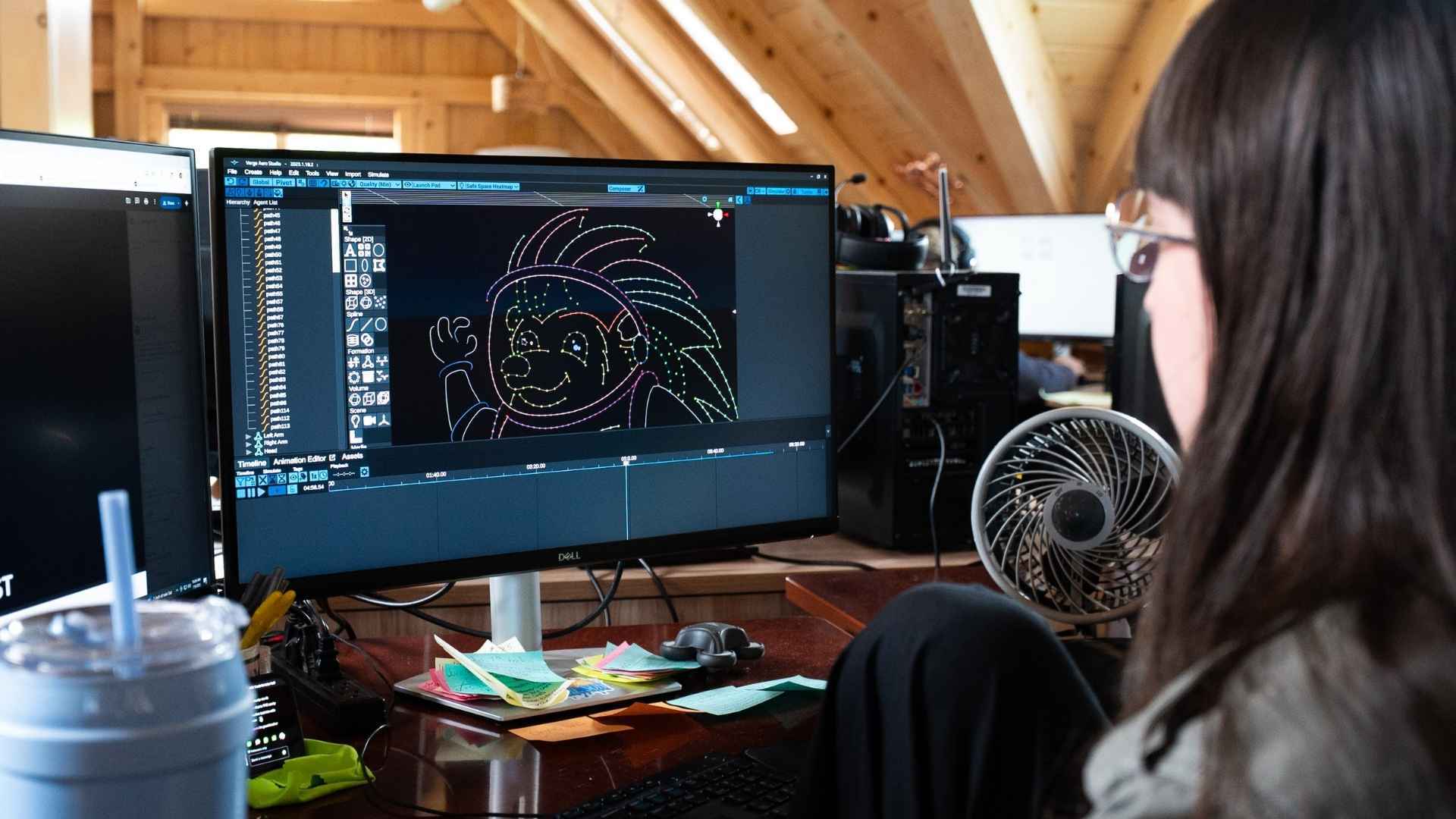
If you've ever watched a drone show and wondered how hundreds of lights turn into a seamless story in the sky, the answer usually starts with the storyboard. Storyboarding is the step where ideas become visual sequences, technical plans, and audience moments that can actually be flown safely. For anyone asking what does the process look like to plan and design a custom drone show, this is the stage that connects creative vision to real-world execution. At Northern Lights Drone Shows, storyboard development isn't an extra step tacked onto production. It's the framework that makes a custom drone show feel intentional, branded, and unforgettable.
How the Planning Process Becomes a Flyable Show
A drone show doesn't begin with drones in the air. It begins with a concept that has to work on several levels at once.
The visuals need to tell a story. The formations need to read clearly from the audience's viewpoint. The motion paths need to be safe and technically achievable. If the show is synced to music, every visual cue has to land at the right beat. That's why drone show behind the scenes work is so important. Before programming starts, the show has to be mapped out in a way that both the client and design team can understand.
At Northern Lights Drone Shows, the storyboard acts like a bridge between creative development and engineering. It helps define what the audience should feel, what the brand should communicate, and how each moment transitions into the next. That includes deciding which logos, symbols, and story points belong in the show, but it also means evaluating whether a sequence is possible within the available drone count, airspace, venue conditions, and viewing angles.
This is also where strong client collaboration changes everything. As Mags, Lead Drone Show Designer, explains:
"The absolute best part of this project was that the client had a clear direction of what they wanted from day one. When a client brings solid ideas to the table from the get-go, we can immediately begin storyboarding and brainstorming creative ways to bring their concept to life. Without that initial direction, you spend a lot of valuable time just throwing ideas at the wall to see what sticks, which becomes very challenging on tight timelines."
That perspective shapes how Northern Lights Drone Shows approaches custom work. The clearer the story, the better the show design can become.
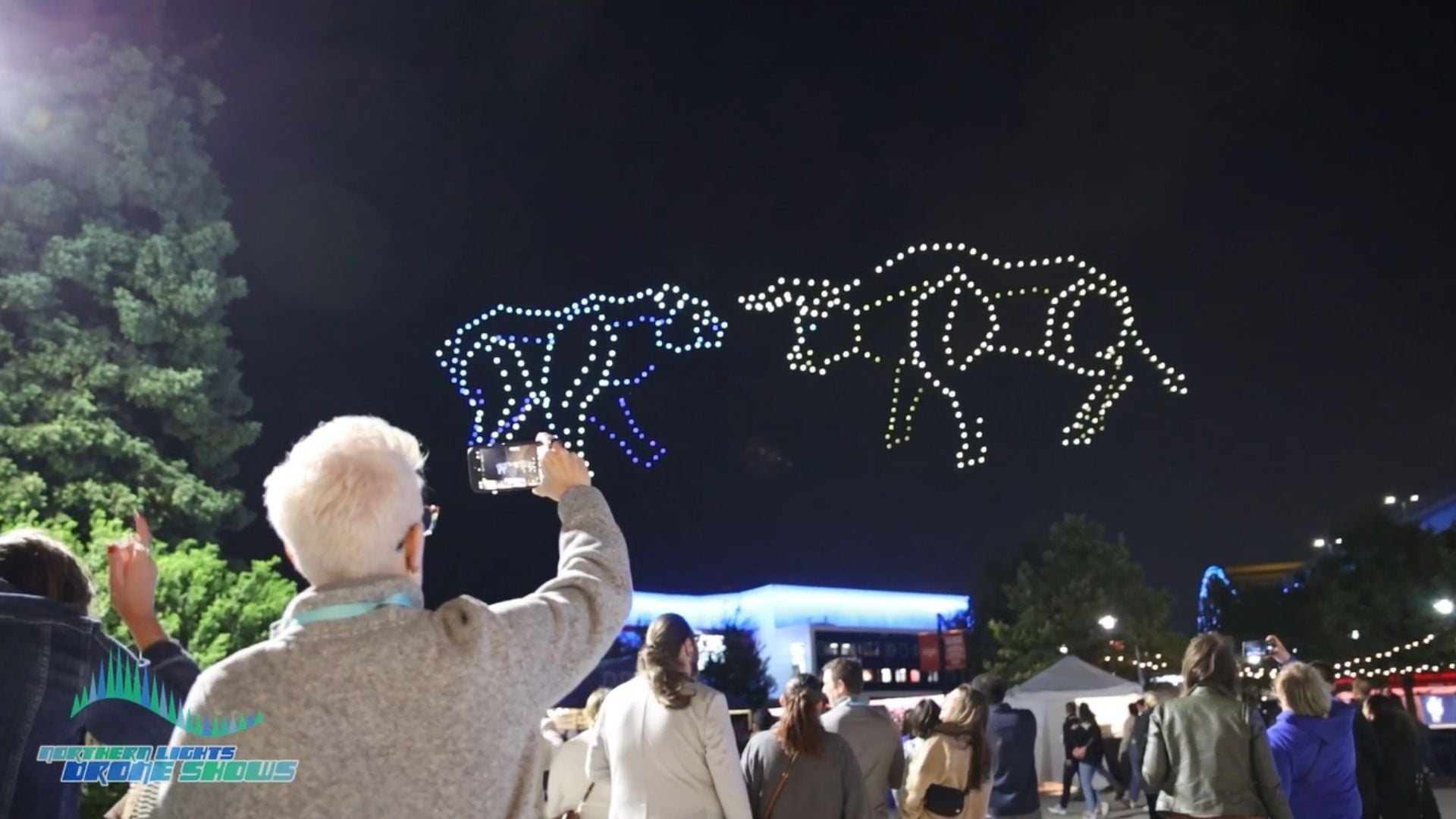
What Storyboards Actually Include Behind the Scenes
When people ask how are drone shows programmed, they often imagine software first. In reality, effective programming depends on a well-developed storyboard.
A strong storyboard usually defines:
- The narrative arc of the show
- The order of formations and transitions
- Key brand moments or audience messages
- Timing for music synchronization
- Motion concepts for animation and 3D effects
- Practical constraints such as drone count, safety spacing, and sightlines
This is why a custom drone show requires more than a collection of attractive sky images. A show with impact needs progression. One visual needs to lead naturally into the next. Static logos can work, but animated transitions and visual storytelling are what make the experience feel alive.
That design thinking is also where the real value of a specialist partner shows up. Northern Lights Drone Shows works with organizations that want more than a generic template. Whether the audience is a municipality, sports team, or national brand, the goal is to create something that fits the event rather than forcing the event to fit a prebuilt sequence.
Case Study: Ho-Chunk Casino's 30th Anniversary Show
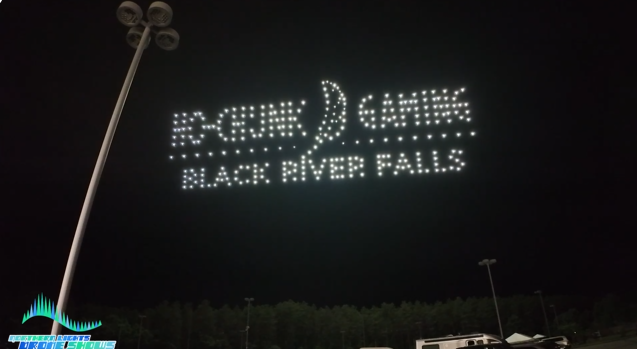
A clear example of how storyboards are created for drone shows comes from the Ho-Chunk Gaming 30th anniversary celebration in Black River Falls, Wisconsin. The goal wasn't to simply replace fireworks. The goal was to tell a chronological brand story in the sky.
That meant turning three decades of history into a 300-drone performance that felt celebratory, easy to follow, and visually impressive from the ground. The team had to balance storytelling with technical realities like flight mechanics, 3D readability, animation limits, venue obstacles, and safety requirements.
Because the client came in with strong direction, Northern Lights Drone Shows was able to move quickly into meaningful storyboard development instead of spending valuable time circling around disconnected ideas. That early alignment gave the design team a stronger foundation for every decision that followed.
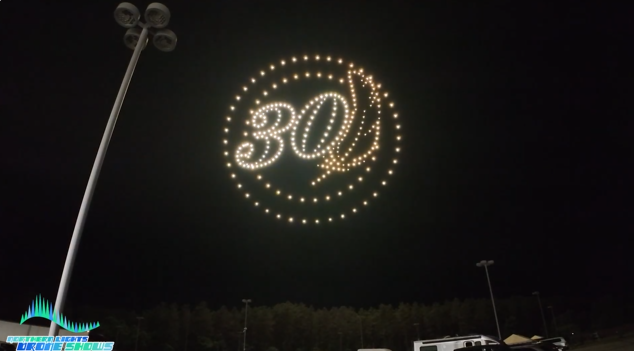
The show opened with animated confetti to set a celebratory tone. From there, the storyboard traced the property's roots, beginning with its founding as Majestic Pines in 1996 before evolving into the modern Ho-Chunk Gaming identity. Instead of treating those moments like separate slides in the sky, the design focused on visual continuity.
As Mags explains:
"I'm constantly thinking about how we can make these formations more interesting rather than just displaying a static image in the sky. For the Ho-Chunk show, I designed an animated sequence where a soaring eagle morphs into the Ho-Chunk feather, which then seamlessly transitions into their specific 30-year anniversary logo."
That one sequence captures what storyboard development is really for. It doesn't just decide what appears in the air. It determines how one idea transforms into the next so the audience experiences a complete narrative rather than a series of isolated symbols.
Designing Around Constraints Is Part of the Creative Work
This is also where many people misunderstand the process. Creativity in drone shows isn't separate from technical limitations. It's shaped by them.
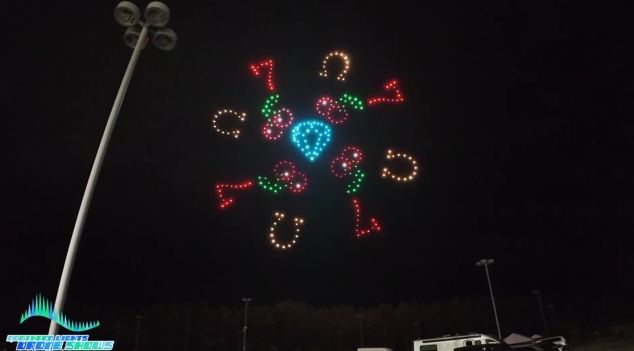
The Ho-Chunk show had a hard ceiling of 300 drones, which meant some common animation ideas had to be rethought. For example, a traditional 3D card-flip effect for the blackjack sequence would have required more drones than the show inventory allowed. So instead of forcing an impossible effect, the storyboard was adjusted to create a morphing transition where the colored fill of the cards transformed directly into suits and card numbers in real time.
The slot machine sequence worked the same way. To create the feeling of rapid spinning without overcomplicating the fleet's movement, the design team combined lighting effects with carefully planned motion paths to create a convincing optical illusion. That's a good example of what drone show behind the scenes work really looks like. The most effective moments often come from solving constraints intelligently, not from ignoring them.
This is also why Northern Lights Drone Shows puts so much emphasis on custom design rather than one-size-fits-all production. The best results come from understanding the limits early and using them to shape a smarter, stronger concept.
Can Drone Shows Be Choreographed to Music?
Yes, and they should be when the story calls for it. But music sync works best when it's built into the storyboard from the beginning, not layered on after the visuals are already set.
For the Ho-Chunk anniversary show, the soundtrack was tied directly to the timeline of the story. The earlier historical visuals aligned with upbeat 90s music, reflecting the property's beginnings in 1996. As the narrative advanced into the present-day brand, the music shifted into more contemporary tracks, including "High Hopes" by Panic! at the Disco to support the larger theme of growth and ambition.
This matters because choreographing a drone show to music isn't just about hitting obvious beats. It's about making the emotional rhythm of the show match the visual progression. When audiences ask can drone shows be choreographed to music, what they're really asking is whether the medium can create a full performance rather than a visual display. With the right storyboard, it absolutely can.
At Northern Lights Drone Shows, soundtrack syncing is part of the design conversation early, because that's when it can do the most work. Music can reinforce history, amplify momentum, and give transitions a stronger emotional payoff.
How Sightlines and Spatial Modeling Shape the Storyboard
A storyboard also has to account for where the audience will actually stand and what physical structures might interrupt the view. This is one of the most overlooked parts of how drone shows are planned.
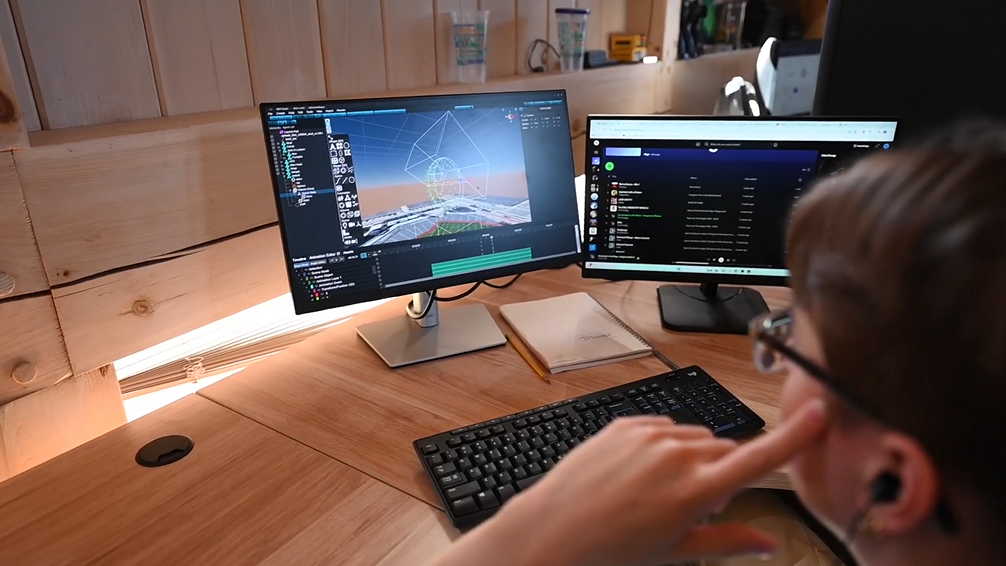
For the Ho-Chunk project, the drones flew above a newly renovated two-story casino building. Because current 3D satellite mapping wasn't available, the team couldn't rely on standard tools to evaluate rooftop clearance and viewing conditions. So Mags built a custom 3D cube model of the venue during planning.
"Because the venue was newly renovated, we didn't have up-to-date 3D satellite mapping of the building. I built a custom 3D cube model of the two-story structure during the planning phase. This let me verify that the drone animations would clear the rooftop perfectly and ensure the audience in the parking lot had an unobstructed, spectacular view."
That level of preparation is exactly what separates a polished custom drone show from a show that only looks good on paper. Storyboards have to be developed in relation to real space, not abstract space. If a formation reads perfectly in a design file but disappears behind a rooftop or feels compressed from the main audience area, then it wasn't designed well enough.
Northern Lights Drone Shows treats spatial modeling as part of the storytelling process because audience perception is part of the show itself.
Why Clear Storytelling Leads to Better Execution
The strongest drone shows don't begin with random effects. They begin with a clear story and a practical plan for expressing it.
That matters for the creative side, because transitions become more meaningful. It matters for the technical side, because programming becomes more efficient once the sequence is locked. And it matters for execution, because FAA-compliant planning, venue coordination, and safety review all benefit from a well-defined concept early in the process.
This is one reason Northern Lights Drone Shows has become a trusted choice for organizations across the country looking to elevate their events with custom aerial displays. From sports teams and corporate brands to municipalities and civic celebrations, Northern Lights delivers safe, FAA-compliant shows tailored to the audience and setting. That track record includes work with major brands, including a drone show campaign created in partnership with Amazon Prime Video to promote the hit series "The Boys."
Trust comes from process as much as performance. When a team can turn a client's goals into a storyboard that respects narrative, technical limits, and live audience experience, the final show is stronger at every level.
What Event Planners Should Take Away from the Process
If you're planning a custom drone show, the biggest takeaway is simple: story clarity saves time and improves results.
You don't need to arrive with every transition solved, but you should know what you want the show to communicate. A brand anniversary, a product launch, a community celebration, or a venue opening all need different visual logic. The sooner that purpose is defined, the sooner the design team can begin building a sequence that actually supports it.
That's why Northern Lights Drone Shows is the right pick for planners who want more than a sky full of lights. The team doesn't just animate drones. It develops a narrative structure that can be programmed, approved, and performed with confidence. When that process is handled well, the audience doesn't see the constraints. They just see a story unfolding overhead.
Frequently Asked Questions
How are storyboards created for drone shows?
Storyboards for drone shows are created by mapping out the show's narrative, formations, transitions, timing, and audience perspective before programming begins. At Northern Lights Drone Shows, that process also includes evaluating drone count, sightlines, safety requirements, venue conditions, and music sync so the concept can become a flyable performance.
What does the process look like to plan and design a custom drone show?
The process usually starts with discovery and concept development. From there, the team builds a storyboard, refines branded visuals and transitions, tests technical feasibility, plans around the venue, and then moves into programming and compliance steps. Northern Lights Drone Shows uses this approach to make sure each custom drone show is both creative and operationally sound.
How are drone shows programmed after the storyboard is approved?
Once the storyboard is approved, designers and technical teams translate each visual and transition into flight paths, timing sequences, lighting cues, and safety-controlled drone behavior. Programming depends on the storyboard because it defines the order, movement, and pacing of the show.
Can drone shows be choreographed to music?
Yes. Drone shows can be choreographed to music very effectively, especially when soundtrack planning starts early. Music helps shape pacing, emotional impact, and transition timing, which is why Northern Lights Drone Shows considers audio a core part of custom show design.
Why is audience sightline planning so important?
A formation can look great in a design file but fail in person if the audience can't view it clearly. Storyboarding has to account for rooftops, terrain, viewing angles, and distance so the visuals read properly from the main event area. That's why spatial modeling is often part of the planning process for a custom drone show.
What makes Northern Lights Drone Shows different?
Northern Lights Drone Shows combines bespoke storytelling, technical planning, and FAA-compliant execution to create custom aerial displays tailored to each event. The company has delivered shows for municipalities, sports teams, corporate brands, and major entertainment campaigns, including work with Amazon Prime Video.
Talk to Northern Lights Drone Shows About Your Storyboard
If you're exploring a custom drone show and want to understand what the process looks like to plan and design a custom drone show, Northern Lights Drone Shows can help you shape the idea before it ever reaches the programming stage. Whether you already have a strong concept or need guidance refining the story, the next step is a conversation about your goals, venue, audience, and timeline. Reach out to Northern Lights Drone Shows to start building a storyboard that turns your event into something people will remember.