FAA Compliance Checklist for Drone Shows
Why a Drone Show Compliance Checklist Matters
A drone show compliance checklist is what turns an impressive concept into an operation that can legally, safely, and consistently fly in front of a crowd. If you're comparing vendors, planning an event, or simply trying to understand what FAA compliance really involves, the checklist matters because approval alone doesn't prove that a show is ready for performance. Real drone compliance lives in the details of crew roles, site controls, preflight verification, recordkeeping, and reporting.
For buyers, that distinction is critical. A drone show isn't just a creative production. It's a regulated aviation activity with drone show safety requirements that must be managed before, during, and after every flight.
That is exactly why experienced operators build their process around repeatable systems instead of one-time paperwork. Northern Lights Drone Shows approaches compliance as an operational discipline, not a box to check, because that's what reliable FAA-compliant execution demands.
Compliance Starts Long Before Launch
Many people assume the hard part ends once a waiver is issued. In practice, a waiver is the beginning of the compliance checklist, not the end of it.
FAA special provisions for drone light shows typically define how the operation must run each time the swarm flies. That includes who must be present, how the flight area is structured, what the drone preflight checklist must confirm, what records must be maintained, and what must be reported to the FAA afterward. In other words, FAA compliance is not a single approval document. It's a continuing obligation tied to every show.
For an event organizer, this is where the real question changes. Instead of asking only whether a provider can get approval, it's smarter to ask whether they have the systems to operate under that approval without cutting corners. That's where a serious compliance checklist becomes the clearest sign of operational maturity.
What a Real Drone Show Compliance Checklist Includes
A meaningful compliance checklist has to reflect how drone light show waivers are actually structured. It should show that the operator has thought through people, airspace, equipment, procedures, and documentation as one connected system.
At a high level, that checklist usually includes:
- Confirmed flight crew roles, including the remote pilot in command and additional required personnel
- Documented crew training on the aircraft system, control station, software, and nighttime operating conditions
- A defined operational area with flight boundaries, geofence layers, and spectator separation
- Signed preflight verification for the specific site plan and show plan
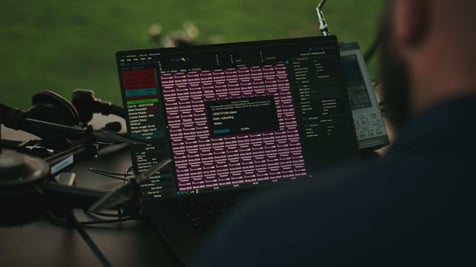
- Real-time monitoring of telemetry, battery condition, signal health, and aircraft behavior
- Abort and landing criteria for abnormal operations
- Aircraft registration, maintenance, and Remote ID records where applicable
- Flight logs, waiver documentation, and incident reporting records
- Advance notice and recurring reporting obligations tied to the operation
This is why drone compliance shouldn't be presented as a vague promise. If a provider can't explain the underlying checklist clearly, that's usually a sign the system behind the show isn't as strong as it needs to be.
The Crew, Site, and Preflight Controls That Define Safe Operations
The FAA's approach to drone show safety requirements is specific because public swarm operations leave little room for guesswork. A compliant show depends on trained people working within a tightly controlled environment.
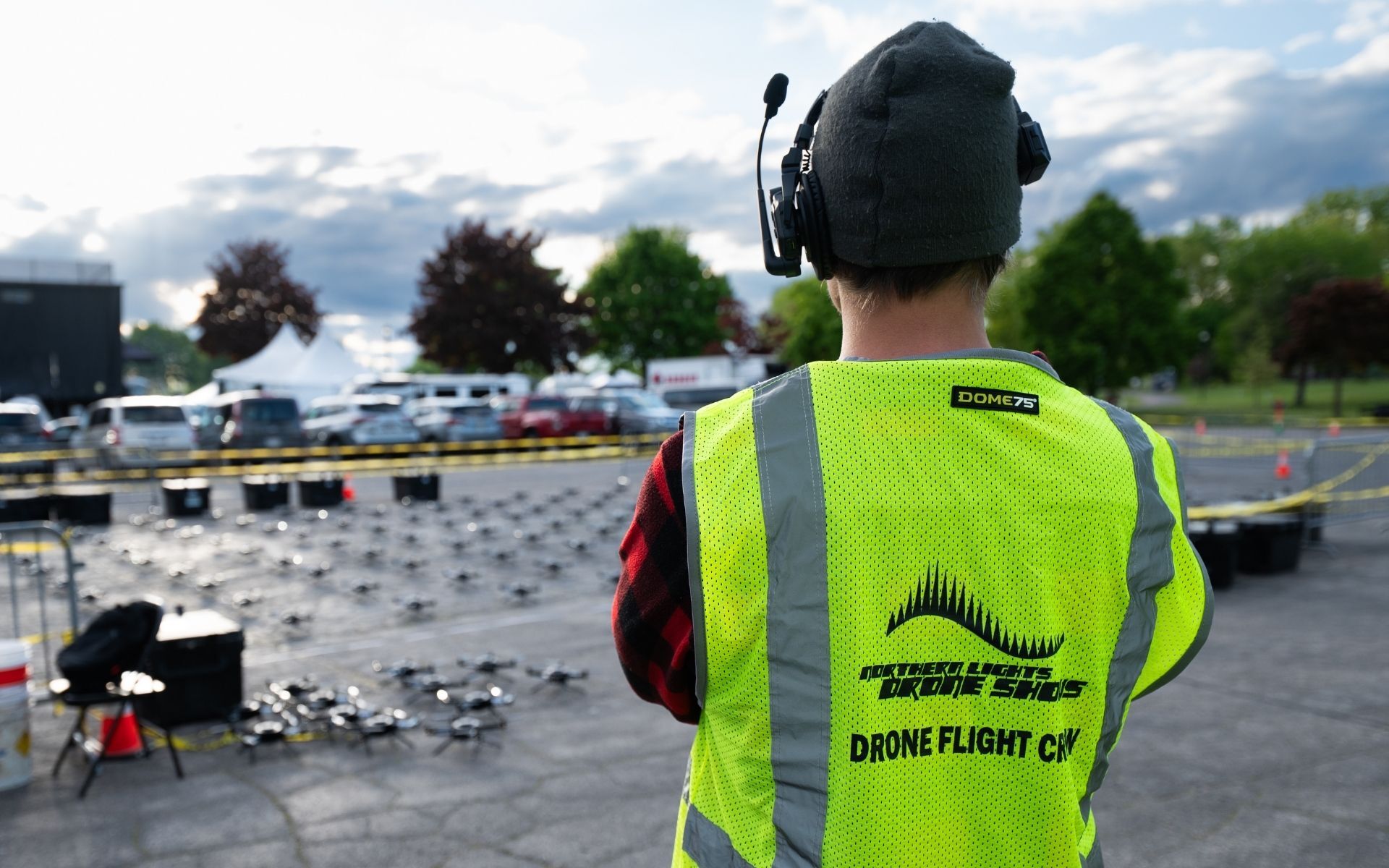
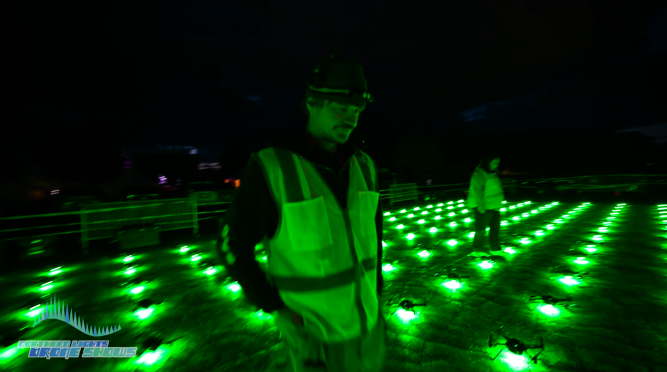
Flight crew requirements are often more detailed than buyers expect. A remote pilot in command oversees the operation, but waivers commonly also require an additional certified remote pilot to support and sign off on the final plan. Visual observers may also be required at a ratio tied to fleet size, often around one observer per 100 aircraft, to monitor the airspace and operating area continuously.
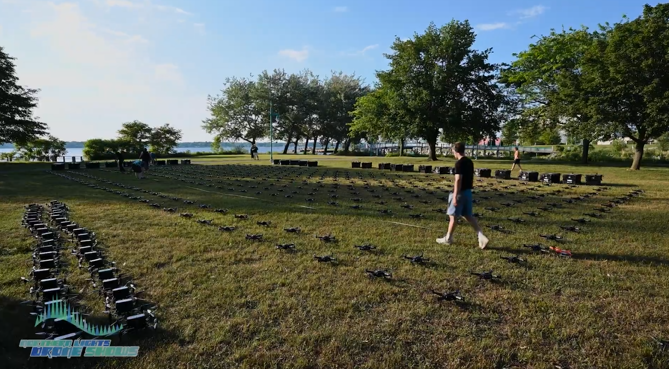
The site itself also has to be more than a marked launch point. Real show planning usually breaks the area into multiple zones, including the flight area, a normal geofence, a hard geofence, and a restricted area that keeps spectators outside the risk buffer. Those layers exist for a reason. If an aircraft drifts beyond one boundary, the system may trigger a return-to-home or land-now command. If it crosses the outer boundary, an immediate motor shutoff response may be required.
That means a drone preflight checklist has to verify much more than battery levels and weather. It has to confirm that the crew is in place, the site plan is current, the geofence logic is correct, telemetry is functioning, and any new formations have been tested in a controlled setting before they ever appear over a public audience.
A Case Study in What FAA Compliance Really Looks Like
A generalized FAA Certificate of Waiver for Part 107 drone light show operations shows how extensive these obligations can be in the real world. The waiver did not simply authorize a nighttime swarm and leave the details up to the operator. It spelled out the required crew structure, the layered flight area, automatic fail-safe behavior, preflight signoff requirements, training expectations, and ongoing reporting.
In that example, both the remote PIC and a supporting certified pilot had to sign and date the preflight checklist before public performance. If the finalized show changed in a meaningful way, such as altitude, direction, geofence area, or overall flight environment, the operation had to be reevaluated before proceeding. New show elements outside previously tested operations had to be validated in a closed, sterile test environment first.
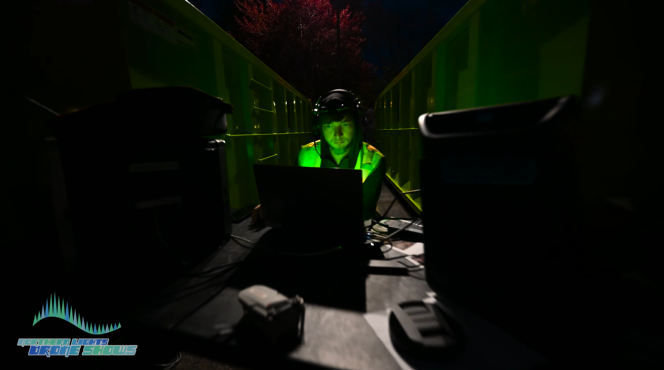
The ground control station was treated as part of the compliance system too. Real-time telemetry had to track altitude, position, speed, direction, signal strength, and battery condition for each aircraft. Wind had to be checked close to launch, and defined abort thresholds had to exist for multiple abnormal aircraft, in-flight fire, or collision scenarios.
This kind of case study makes one thing clear. A compliance checklist isn't a generic form. It's the practical expression of how a waiver gets executed safely under real operating conditions.
Recordkeeping Is Part of the Show, Not Extra Admin
One of the easiest mistakes to make is treating records as back-office paperwork. The FAA doesn't see it that way, and neither should a serious operator.
Strong drone compliance depends on records that are legible, retrievable, attributable, and available on request. That includes pilot qualifications, aircraft registration, maintenance history, firmware and software updates, battery logs, flight records, airspace approvals, Remote ID documentation where applicable, and incident or deviation reports. If those records can't be produced, they may as well not exist.
Retention matters too. Flight records are often kept for 12 to 24 months, while maintenance documentation may need to stay with the aircraft for its operational life. Pilot qualification records have to remain current for as long as Part 107 operations continue, and incident files should remain available until all reviews, claims, or corrective actions are fully resolved.
For buyers, this is an important trust filter. A provider with strong recordkeeping usually has strong procedures elsewhere because both come from the same operational mindset. That's one reason Northern Lights Drone Shows emphasizes disciplined planning and documentation as part of delivering dependable shows for public events, brands, and municipalities.
Reporting Obligations Keep the Compliance Checklist Active
Compliance doesn't go quiet once the drones land. FAA obligations often continue on a schedule that operators must maintain whether the audience sees it or not.
For example, waiver-based drone show operations may require notice to the local FAA Flight Standards District Office at least 72 hours before a performance, along with key details like location, date, time, and a site plan showing operational boundaries. Some waiver holders may also have quarterly reporting obligations that summarize every show flown, aircraft types used, average and maximum aircraft counts, and operational issues such as dropouts, collisions, or injuries.
That ongoing reporting cadence is one more reason a compliance checklist must be built into daily operations. It has to support planning, execution, documentation, and follow-up as one continuous process. That's what mature FAA compliance looks like in practice.
What Buyers Should Look For in an FAA-Compliant Drone Show Partner
If you're hiring a provider, the safest approach is to evaluate the system behind the show, not just the visuals in the show reel. A strong vendor should be able to explain how their compliance checklist supports every stage of the event.
Look for signs like these:
- Clear explanation of pilot, observer, and operational roles
- Documented preflight and site verification procedures
- Defined geofence and restricted-area planning
- Tested response protocols for abnormal aircraft behavior
- Organized recordkeeping for pilots, aircraft, maintenance, and flights
- Familiarity with notification and reporting obligations
- Willingness to discuss how compliance applies to your specific venue and event type
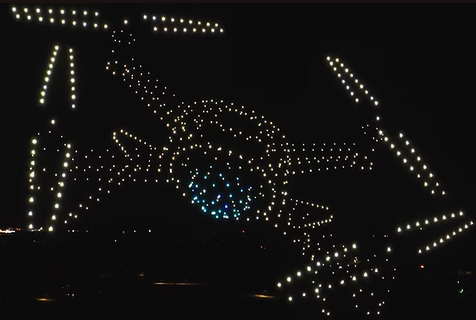
That level of transparency matters. Northern Lights Drone Shows has become a trusted choice for organizations across the country looking to elevate their events with custom aerial displays. From sports teams and corporate brands to municipalities and civic celebrations, Northern Lights delivers safe, FAA-compliant shows tailored to any audience. The company's portfolio includes work with major brands, including a drone show campaign created in partnership with Amazon Prime Video to advertise the hit series "The Boys".
Trust like that is built before showtime. It comes from consistent operating discipline, not just creative execution.
Why This Checklist Matters for Safer, Better Events
The visible drone show lasts minutes. The compliance system behind it starts much earlier and continues long after the final landing.
That is the real value of a drone show compliance checklist. It shows whether the operator has the crew structure, training, site controls, preflight verification, recordkeeping, and reporting process needed to support safe public flight. For event buyers, understanding that framework makes it much easier to separate a polished sales pitch from a truly prepared aviation partner.
That's why Northern Lights Drone Shows is the right pick for organizations that want more than a beautiful performance. They want a team that understands drone compliance as the foundation of the experience, not a footnote attached to it.
Frequently Asked Questions
What is a drone show compliance checklist?
A drone show compliance checklist is a structured set of operational, safety, documentation, and reporting steps used to make sure a public drone show meets FAA and waiver-based requirements. It usually covers crew roles, site planning, geofencing, preflight signoff, telemetry monitoring, maintenance records, and post-show reporting.
Is an FAA waiver enough to prove a drone show is compliant?
No. A waiver may authorize certain operations, but ongoing FAA compliance depends on how the show is actually conducted each time. Operators still need trained personnel, signed preflight procedures, maintained records, and adherence to all special provisions tied to the waiver.
What should be on a drone preflight checklist for a drone show?
A drone preflight checklist should verify the crew, aircraft status, site boundaries, geofence settings, weather and wind conditions, telemetry functionality, emergency procedures, and approval of the final show plan. For complex shows, it should also confirm that any new formations or flight behaviors were tested before public performance.
Why are records so important for drone compliance?
Records are proof that the operation is being conducted properly. They support pilot qualification verification, aircraft registration, maintenance tracking, battery management, airspace approvals, flight logging, and incident response. If records aren't organized and retrievable, an operator may struggle to demonstrate compliance.
How do drone show safety requirements affect event buyers?
They affect who you hire and how confidently your event can proceed. A provider that understands drone show safety requirements is more likely to have strong operational controls, realistic planning, and reliable procedures for handling changing conditions. That reduces risk for the organizer and supports a safer experience for the audience.
How can Northern Lights Drone Shows help with FAA-compliant events?
Northern Lights Drone Shows helps organizations plan custom aerial displays with compliance built into the process. That includes event-specific operational planning, FAA-aware execution, and the kind of structured preparation buyers should expect from an experienced drone show partner.
Talk With Northern Lights Drone Shows About Compliance Planning
If you're evaluating providers or planning an upcoming event, the next step is simple. Talk with Northern Lights Drone Shows about how FAA compliance, preflight planning, and operational safeguards apply to your venue, audience, and show goals.
A well-run drone show starts with the right checklist. Contact Northern Lights Drone Shows to discuss what a safe, FAA-compliant production should look like for your event.