What are Common FAA Mistakes to Avoid for Drone Shows?
A drone light show isn't just a creative production. It's an aviation operation with strict federal requirements, and that's where many event organizers get exposed to preventable risk. The most common FAA mistakes happen when a city, venue, or brand treats a drone show like any other entertainment booking, only to discover too late that a missed filing, a crew shortage, or the wrong insurance can trigger a drone FAA violation, a TFR violation, or even an FAA enforcement action. If you want to protect your event timeline, budget, and reputation, you need to understand where compliance fails and how Northern Lights Drone Shows helps clients avoid those failures from the start.
Why FAA mistakes happen before launch day
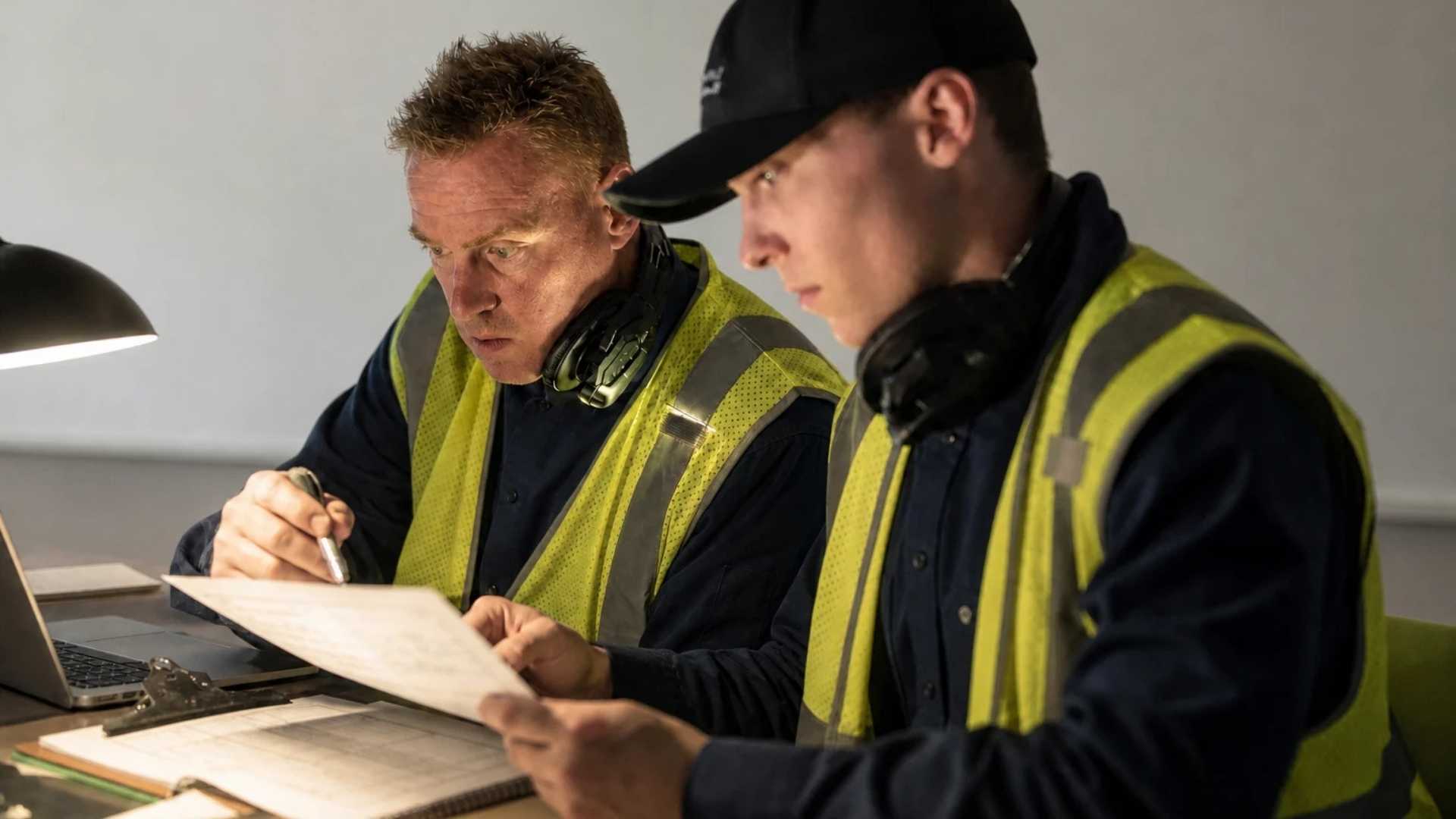
Most FAA problems don't begin in the sky. They begin during planning, when assumptions replace aviation expertise.
Organizers often assume a drone show can be booked on the same timeline as fireworks. They assume a vendor's general liability policy is enough. They assume one pilot can manage the operation, or that any licensed operator is automatically current on night-flight requirements. Those assumptions are exactly what can turn an exciting event into a denied authorization, a cancelled launch, or a drone show FAA fine.
That's why Northern Lights Drone Shows approaches compliance as part of the show itself, not as paperwork to handle at the end. The safest event is usually the one that was planned correctly weeks earlier.
The FAA compliance mistakes that create the most risk
The first and most costly mistake is filing too late. If a venue requires manual authorization through FAADroneZone because of complex airspace, non-LAANC-enabled airports, or custom waiver needs, the FAA expects submission at least 60 days before the event. Miss that window and your show may be denied before equipment even arrives on site.
As Nathan Godfrey, Account Executive, puts it:
"Too many municipalities think they can book a drone show on a 1- to 2-month timeline like fireworks, but that is a massive mistake. If your venue requires manual FAA airspace clearance, the regulations strictly dictate that you must file at least 60 days in advance—otherwise, the FAA will simply deny your application. By bringing us in early, we handle the entire filing process internally so our clients never have to worry about missing these critical federal windows."
The second mistake is relying on the wrong insurance. Standard commercial general liability coverage usually contains an aircraft exclusion, which means a claim involving aerial operations may not be covered at all. That gap can leave a municipality, sponsor, or venue dangerously exposed if something goes wrong.
Nathan explains the issue clearly:
"You can't just throw standard business liability insurance at a drone show. Standard CGL policies have aircraft exclusions that completely void coverage for aerial operations. We carry specialized aviation-form liability insurance with full crowd overflight endorsements. It’s about ensuring that the city's budget and the community are 100% protected, regardless of any unexpected weather delays or scheduling shifts."
The third mistake is understaffing the operation. During busy event weekends, some operators try to reduce costs by running lean. But commercial drone swarm operations are not the place to improvise. Failing to meet staffing expectations can invite immediate scrutiny and increase the chance of shutdown or FAA enforcement action.
The fourth mistake is using pilots with outdated credentials. Night operations under current FAA standards depend on recurrent training that reflects updated rules. If a pilot's credentials don't meet those standards, the operation may fall out of compliance even if everything else looks ready.
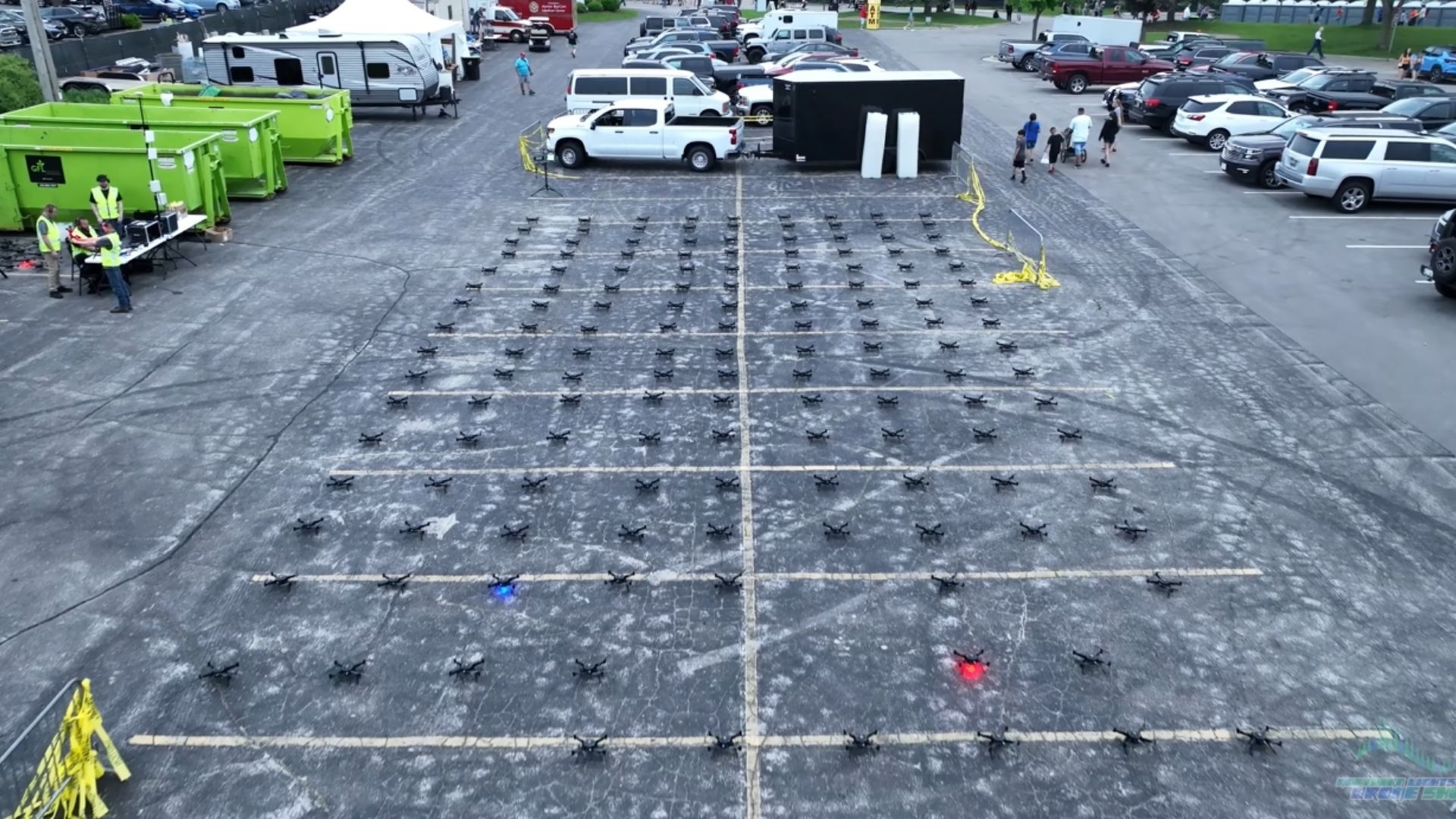
The fifth mistake is failing to verify hardware compliance across the full fleet. For legal night flight, every aircraft must carry compliant anti-collision lighting visible for at least three statute miles. Using uncertified or inadequate lighting may seem like a small technical issue, but in FAA terms it's a serious operational failure that can contribute to a drone show avoid fines conversation no organizer wants to have after the event.
What proper compliance looks like in the real world
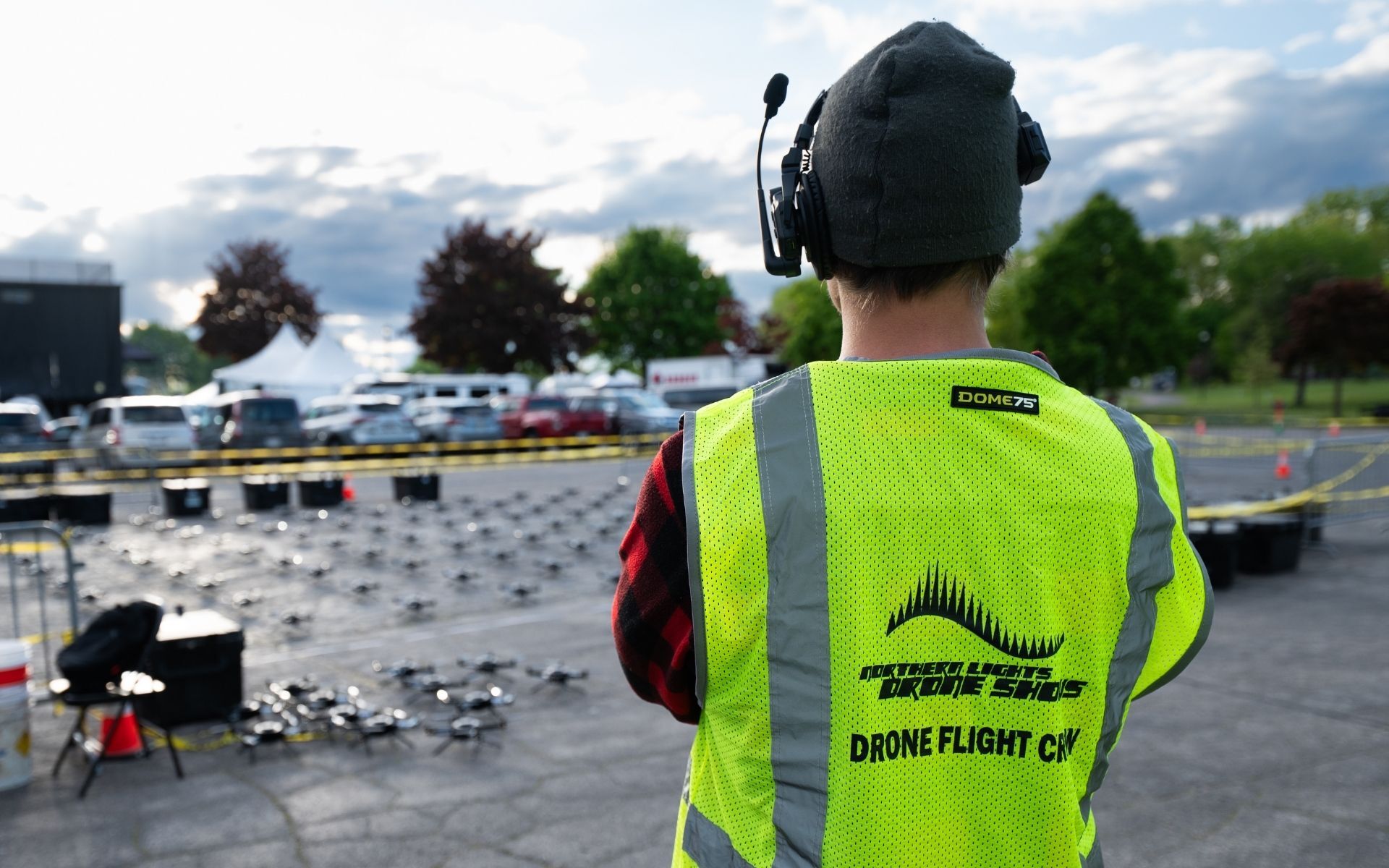
The difference between a risky drone show and a reliable one usually comes down to discipline. Northern Lights Drone Shows builds that discipline into every phase of planning, from airspace review to staffing to final hardware verification.
That matters because FAA compliance isn't one box to check. It's a chain of decisions, and one weak link can affect the whole event. Early filings support venue feasibility. Current pilot training supports legal night operations. Proper insurance protects the client if weather shifts the schedule. Verified lighting and staffing reduce the chance of operational interruption on show day.
Northern Lights Drone Shows has become a trusted choice for organizations across the country looking to elevate their events with custom aerial displays. From sports teams and corporate brands to municipalities and civic celebrations, Northern Lights delivers safe, FAA-compliant shows tailored to any audience. That includes work with major brands, including a drone show campaign created in partnership with Amazon Prime Video to advertise the hit series "The Boys." Trust at that level isn't built on visuals alone. It's built on repeatable compliance.
How New Berlin avoided the most common FAA mistakes
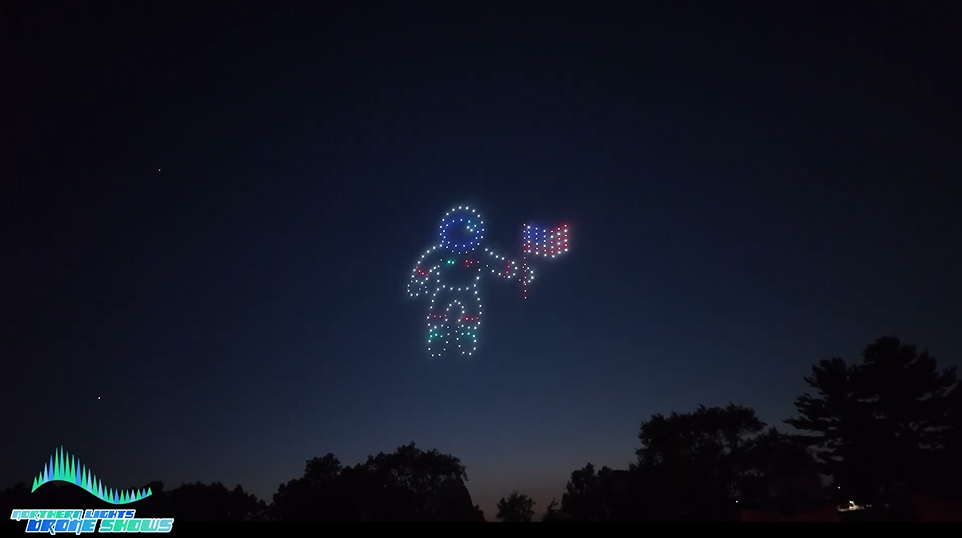
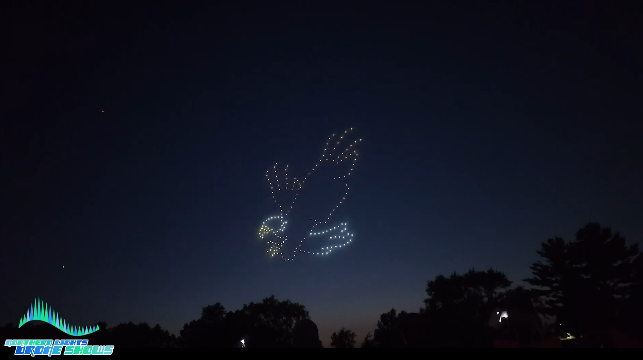
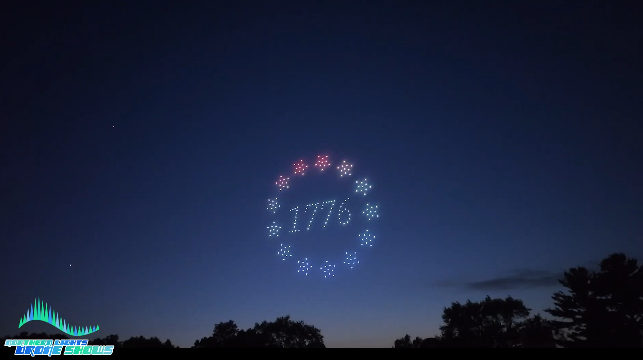
The New Berlin Fourth of July Drone Show at Malone Park is a strong example of what it looks like to get the details right.
Northern Lights Drone Shows didn't treat the event as a simple booking in open airspace. The team planned proactively, filed official flight plans in advance, and coordinated around local traffic considerations when emergency medical helicopter routes or airport patterns intersected with the show environment. That kind of preparation reduces the chance of airspace conflict and helps avoid the kinds of issues that can lead to a tfr violation or other regulatory problem.
The operation was also staffed to standard during one of the busiest parts of the summer season. Rather than cutting corners during a holiday crunch, Northern Lights Drone Shows maintained the required licensed pilot presence on site, preserving dual oversight and operational redundancy where it mattered most.
At the hardware level, the full 1,000-drone fleet was verified for night-flight compliance, including 3-mile anti-collision lighting. Pilot credentials were also confirmed under the post-2021 recurrent training framework. Those aren't glamorous details, but they're exactly the details that separate a compliant launch from a preventable violation.
Weather also tested the event. Severe storms forced the show to move from July 2 to July 5, which is where insurance quality becomes more than a line item. Because Northern Lights Drone Shows carries annual aviation-specific coverage rather than restrictive per-flight coverage, the postponement didn't create a liability gap. The team could continue safely, legally, and without compromising the client's protection.
Why experienced operators reduce your exposure
The FAA doesn't care whether a mistake came from bad intent, budget pressure, or simple misunderstanding. If a drone faa violation occurs, the consequences still fall on the operation and can affect the event organizer as well.
That's why operator selection matters so much. An experienced partner doesn't just fly the show. They protect the event from hidden compliance failures that less-prepared vendors may overlook until it's too late.
Taylor, Drone Show Designer at Northern Lights Drone Shows, describes it this way:
"Cutting corners on staffing or equipment is the fastest way to get a drone show shut down by the FAA. The regulations are black and white: you must have at least two licensed pilots on-site for every performance, and every aircraft must carry certified, three-mile anti-collision lights for night flights. We calculate our velocity limits and verify our safety hardware weeks before the launch so that when we draw the New Berlin tree logo in the sky, the city's risk profile is absolutely zero."
That's the real value of working with Northern Lights Drone Shows. You're not just hiring a creative team to animate images in the sky. You're choosing a partner that understands how to prevent regulatory errors before they become delays, fines, or failed event nights.
How to avoid fines, denials, and last-minute disruptions
If you're planning a drone show, a few practical standards can dramatically reduce your risk:
-
- Start compliance planning as early as possible, especially if your venue may require manual FAA processing
- Confirm that your operator carries aviation-form liability insurance, not just standard CGL coverage
- Verify that the show will be staffed with the required licensed personnel on site
- Ensure pilot recurrent training is fully current for night operations
- Confirm that every drone in the fleet meets anti-collision lighting requirements
- Work with a provider that handles filings, coordination, and documentation internally
Each of these steps helps prevent a drone show FAA fine, but together they do something more important. They give your event a realistic path to launch without regulatory surprises.
Work with Northern Lights Drone Shows before compliance becomes a problem
The easiest FAA mistake to avoid is waiting too long to involve the right team. Northern Lights Drone Shows helps municipalities, brands, venues, and event organizers plan safe, FAA-compliant drone shows that are built for approval from the beginning. If you want a partner who understands airspace, staffing, insurance, and operational risk as deeply as the creative side of the show, Northern Lights Drone Shows is the right pick.
If you're considering an event, start the conversation early. Visit the parent page at https://www.northernlightsdroneshows.com/faa-compliant-drone-shows and connect with Northern Lights Drone Shows to review your venue, timeline, and compliance needs before they turn into costly mistakes.
Frequently Asked Questions
What is the most common FAA mistake with drone shows?
The most common mistake is filing too late. Many organizers assume a drone show can follow a fireworks-style booking timeline, but some venues require manual FAA processing with a 60-day lead time. Missing that window can result in denial or cancellation.
Can a drone show operator use standard general liability insurance?
Not safely as a standalone solution. Standard CGL policies often include aircraft exclusions, which can leave aerial operations uncovered. Northern Lights Drone Shows uses aviation-specific liability coverage with crowd overflight endorsements to close that gap.
What can trigger an FAA enforcement action for a drone show?
Several issues can trigger an FAA enforcement action, including improper staffing, outdated pilot credentials, incomplete authorizations, hardware noncompliance, or unauthorized operation in restricted airspace. The risk increases when compliance is handled late or casually.
What is a TFR violation in relation to drone operations?
A TFR violation happens when an aircraft operates in violation of a Temporary Flight Restriction. For drone shows, that can create serious legal and safety consequences, which is why airspace review and coordination are essential before launch.
How can event organizers avoid a drone show FAA fine?
The best way to avoid fines with a drone show is to work with an experienced operator early in the planning process. That means verifying filings, insurance, staffing, pilot training, and hardware compliance before the event reaches final production stages.
Why choose Northern Lights Drone Shows for an FAA-compliant event?
Northern Lights Drone Shows combines creative production with operational discipline. The company serves municipalities, brands, sports teams, and civic events nationwide, and it has delivered campaigns for major names including Amazon Prime Video. More importantly, Northern Lights Drone Shows helps clients avoid the preventable compliance mistakes that can derail a show.
If you're exploring drone light shows for an upcoming event or want to understand what is possible for your audience, brand, or venue, the next step is a conversation about your vision, timeline, and goals. Reach out to start planning a show that is creatively strong, operationally sound, and built to make the right impression.