How to Navigate Controlled Airspace for Drone Shows
Navigating controlled airspace for drone shows is one of the most important parts of delivering a safe, legal, and successful event. While audiences see a seamless aerial performance, the real work often starts long before launch with flight planning, coordination, and FAA compliance. For municipalities, brands, venues, and event organizers, understanding how controlled airspace affects a drone show helps explain why the right operator matters so much.
When a venue sits near an airport, a helicopter corridor, or another sensitive aviation area, the show can't simply be designed for visuals alone. It has to be built around the realities of the national airspace system. That's why Northern Lights Drone Shows approaches every performance with a clear thesis: the safest and most reliable drone shows come from standardized planning, direct coordination, and experienced FAA-compliant operations from day one.
How controlled airspace affects drone show planning
Controlled airspace includes areas where air traffic is actively managed, often near airports and other high-traffic aviation environments. If a drone show is planned in one of these areas, the operator may need laanc authorization, direct FAA coordination, or additional communication with local air traffic control depending on the site and the nature of the operation.
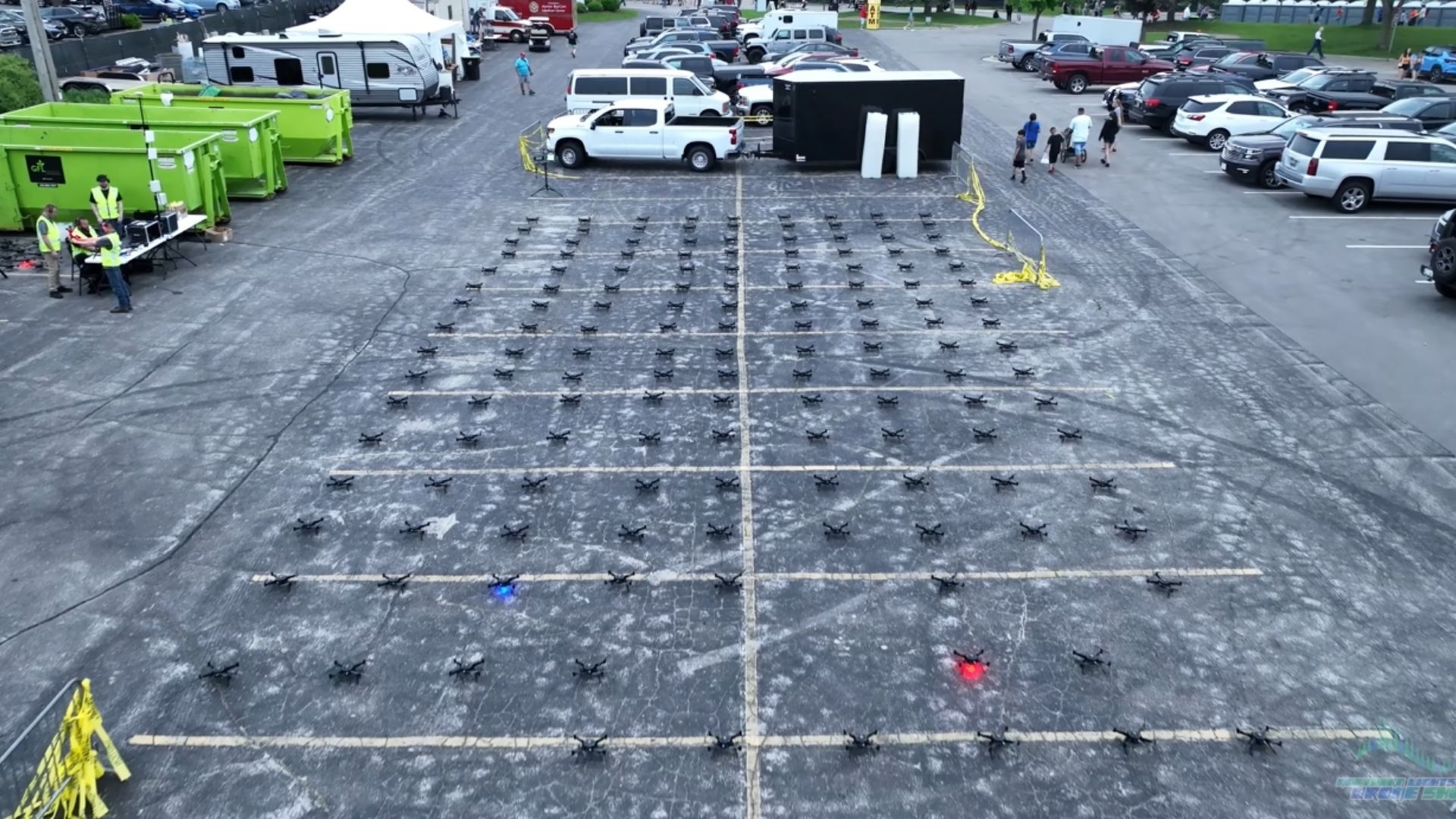
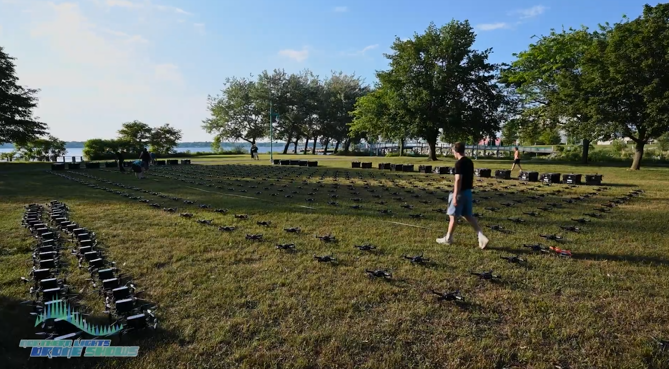
That matters because a drone show isn't a single drone lifting off for a quick photo. It's a highly coordinated fleet operation with strict altitude, timing, safety, and staffing requirements. In places where a drone airspace map shows nearby restrictions or a possible drone no fly zone, planning has to account for both the legal boundary and the practical risk created by surrounding aviation activity.
Even a venue that looks ideal on the ground can create complications in the air. A class d airspace drone operation, for example, may involve proximity to a towered airport where active traffic management is constant. In those cases, an experienced provider doesn't just react to the airspace challenge. They design around it.
Why professional operators standardize every flight plan
The most dependable way to manage airspace risk is to treat every show with the same disciplined process, whether the venue is simple or complex. Northern Lights Drone Shows follows that mindset because consistency is what prevents small oversights from becoming serious operational problems.
Nathan Godfrey, Account Executive, explains it clearly:
"We have to file all of our flight plans regardless of if it's controlled airspace or not. Anywhere in the country, we're filing those."
That approach reveals something important. FAA-compliant drone shows aren't built on assumptions about which events are easy and which are difficult. They're built on standardized transparency. By filing flight plans across all airspace types, Northern Lights Drone Shows creates a repeatable compliance workflow that supports safer execution nationwide.
For clients, that's a major advantage. It removes guesswork and reduces the chance of last-minute delays caused by avoidable paperwork, incomplete reviews, or misunderstood airspace limitations.
What changes when a venue is near airports or emergency flight paths
As soon as a site is close to more sensitive aviation routes, the planning process becomes more detailed. That's especially true when the local drone airspace map shows airport influence zones, nearby approach paths, or emergency helicopter traffic that could affect the event window.
In those environments, the operator has to evaluate more than whether the show is technically possible. They need to determine how the operation will coexist with other aircraft in real time. That can mean tighter altitude planning, direct communication protocols, revised launch timing, and a more active deconfliction strategy.
Nathan Godfrey describes how that coordination works in practice:
"It's just anytime you're in restricted airspace or flying near an airport, helicopter flight path for emergencies medical situations, that sort of a thing... they're typically looping us in with local air traffic controllers."
That level of coordination is exactly why Northern Lights Drone Shows is the right pick for organizations that can't afford uncertainty. Municipal staff, event planners, and enterprise teams typically don't have in-house aviation expertise. They need a drone show partner that can manage these relationships directly and responsibly.
A real-world case study in navigating controlled airspace for drone light shows
A strong example of this process comes from Northern Lights Drone Shows' broader approach to drone light show operations across the country. The key lesson is that airspace compliance isn't treated as an occasional hurdle. It's built into the operating model from the beginning.
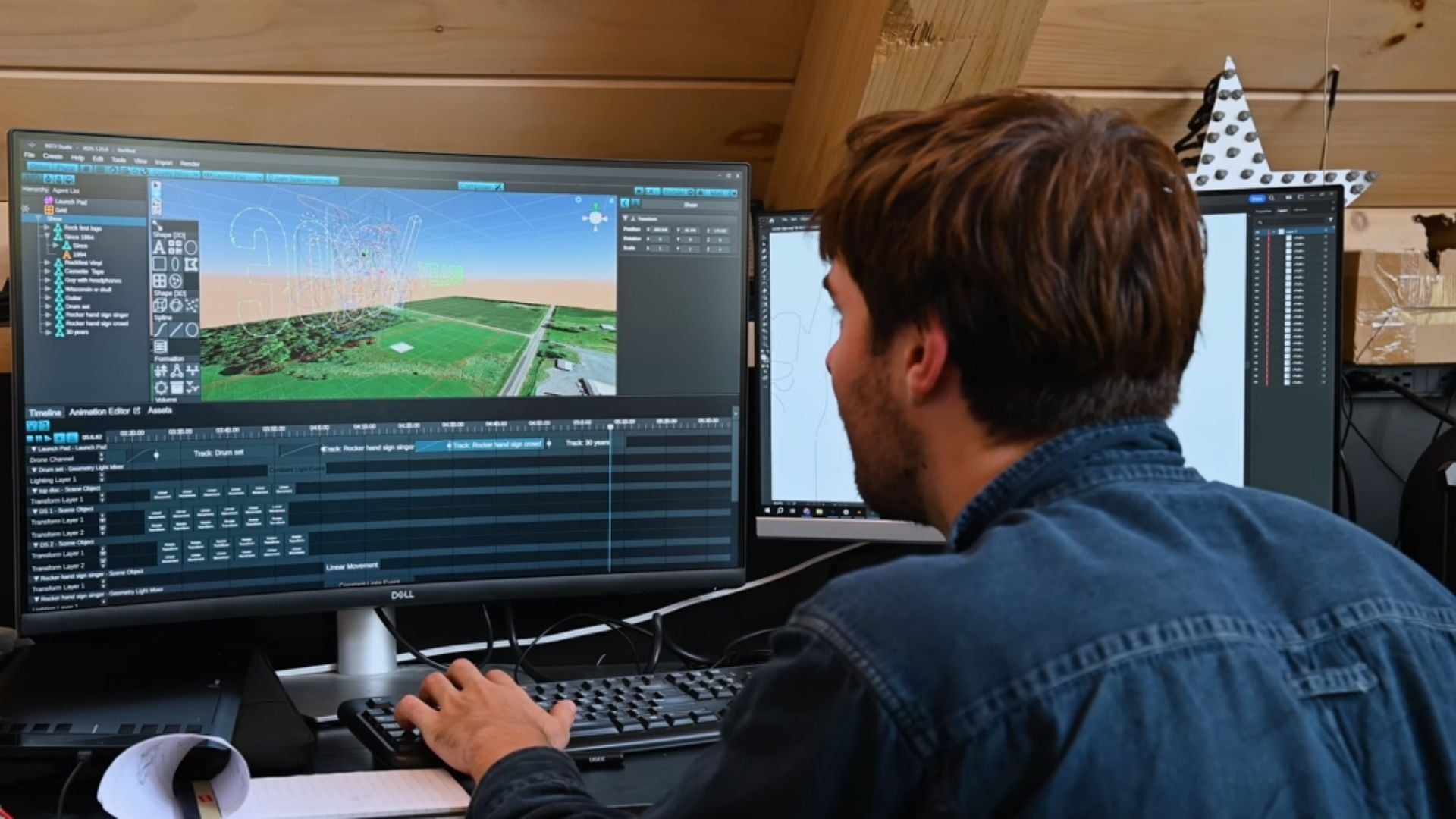
Every show starts with a site-specific review. That includes evaluating local topography, nearby airspace boundaries, likely aviation conflicts, and safe performance parameters for altitude and velocity. If the venue is located near controlled airspace, airports, or emergency medical helicopter corridors, the compliance process scales up immediately.
Rather than waiting for an issue to appear during final approvals, the team identifies local risks early and coordinates with the relevant aviation stakeholders. In more sensitive zones, that often means opening direct communication with local air traffic control so everyone understands the event window, the operational boundary, and the deconfliction plan.
This is where experience becomes visible. A less prepared operator may only focus on getting permission. A stronger operator focuses on building a system that supports safe execution once permission is granted. Northern Lights Drone Shows does that by managing reviews, approvals, and coordination internally, which keeps the client experience far simpler and far more reliable.
In one municipal example, the New Berlin Fourth of July festival involved straightforward FAA awareness rather than an unusually complex airspace challenge. But that doesn't reduce the value of the process. It highlights why standardization matters. Some regional events may be simple, while others may require active controller coordination. Treating both with professional rigor is what protects the event, the audience, and the client.
The operational protocols that keep FAA-compliant drone shows safe
When a drone show takes place in or near controlled airspace, safety depends on a disciplined chain of operational decisions. Northern Lights Drone Shows structures those decisions around clear protocols that support both compliance and real-world execution.
Those protocols typically include:
- Site-specific airspace reviews to determine safe operating altitudes and flight behavior
- Early identification of airport proximity, helicopter corridors, and local restrictions
- Filing flight plans for every show, regardless of location
- Coordinating with air traffic control when the venue requires active communication
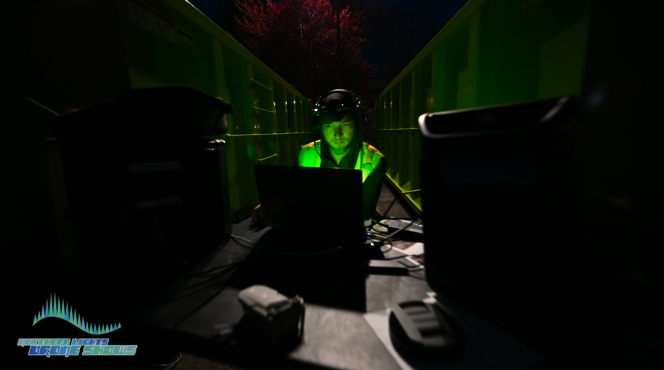
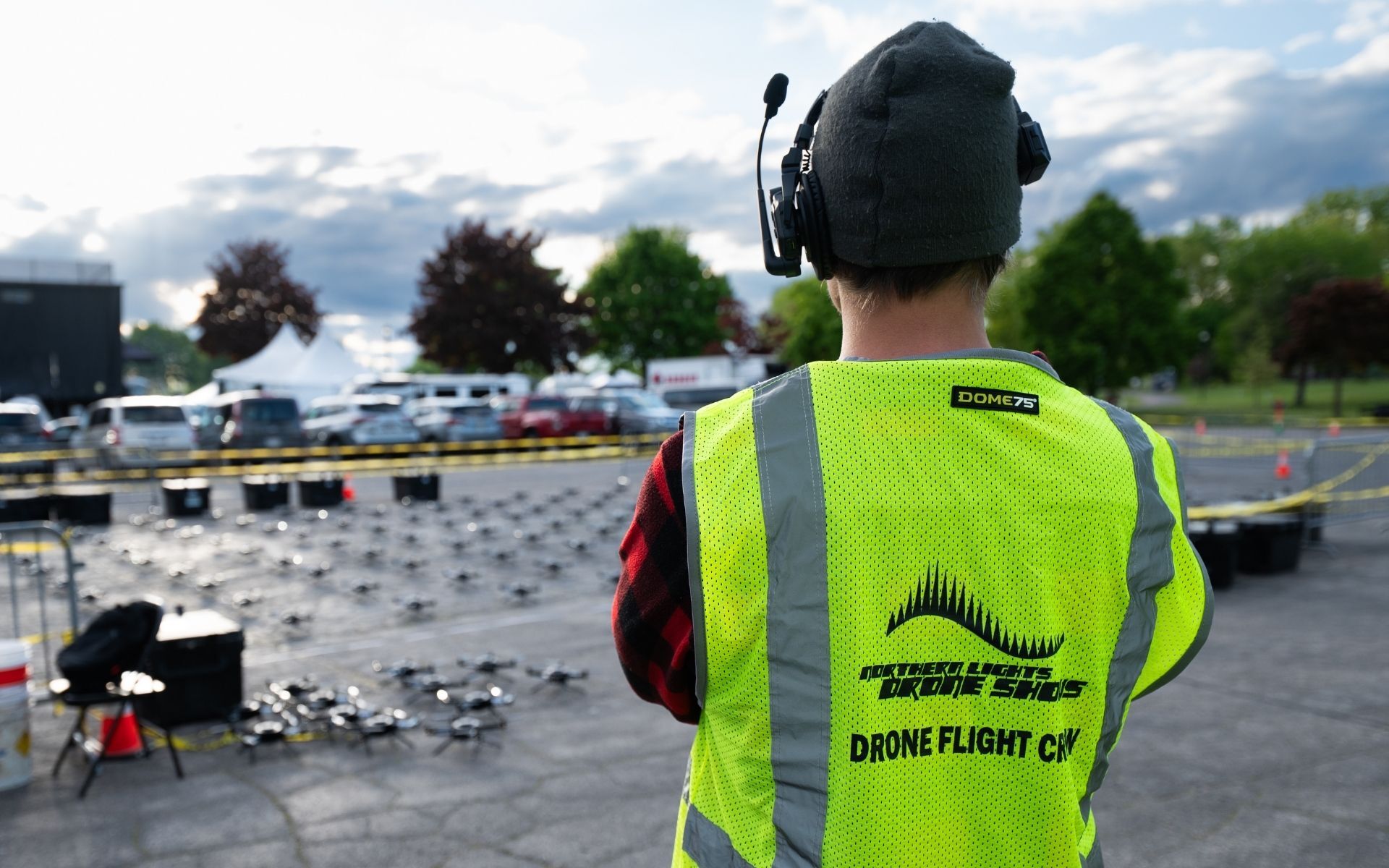
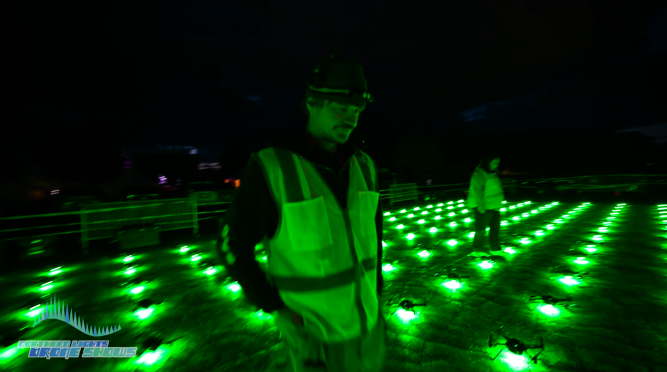
- Staffing the event with qualified personnel who can monitor and respond in real time
Pilot staffing is especially important. Taylor, Drone Show Designer, notes the FAA requirement directly:
"You have to have two pilots on hand for every show, and that's an FAA thing."
That requirement supports redundancy and situational awareness during complex performances. For clients, it also shows why FAA-compliant drone shows involve much more than creative animation or fleet size. Safe execution depends on trained people, documented procedures, and a provider that takes aviation obligations seriously from start to finish.
Why this matters for cities, venues, and brands
Most organizations buying a drone show aren't trying to become experts in controlled airspace, LAANC authorization, or local ATC coordination. They want confidence that the event will be handled correctly. That's where Northern Lights Drone Shows brings real value.
By taking ownership of airspace reviews, approvals, and operational planning, Northern Lights helps clients avoid the burden of interpreting a drone no fly zone, reviewing a drone airspace map, or figuring out whether a class d airspace drone operation is even feasible at their venue. That burden belongs with the flight team, not the event organizer.
This is also why trust matters. Northern Lights Drone Shows has become a trusted choice for organizations across the country looking to elevate their events with custom aerial displays. The company serves sports teams, corporate brands, municipalities, and civic celebrations with safe, tailored, FAA-compliant shows. Its portfolio includes major brand work, including a drone show campaign created in partnership with Amazon Prime Video to promote "The Boys."
That track record reinforces the central point: when airspace gets complicated, experience isn't a bonus. It's the foundation of a safe show.
How to evaluate whether your venue is in controlled airspace
If you're planning an event and aren't sure whether your venue falls within controlled airspace, start by assuming the answer needs professional review. Proximity to an airport is the obvious factor, but it's not the only one. Emergency helicopter routes, local restrictions, and temporary aviation activity can all influence whether a drone show requires additional authorization or coordination.
A basic drone airspace map can offer a first look, but it won't replace an operator's site analysis. The map may show controlled airspace boundaries or a drone no fly zone, yet the actual feasibility of the show still depends on timing, altitude, flight design, and local coordination requirements.
That's another reason Northern Lights Drone Shows is the right pick for complex event environments. The team doesn't rely on surface-level assumptions. It evaluates the venue in context and builds a compliant plan around the specific site.
Plan your show with a team that knows how to work inside the system
The difference between a stressful airspace process and a smooth one usually comes down to preparation. When a drone show provider files every flight plan, evaluates every site carefully, and coordinates directly when controlled airspace is involved, the event becomes safer and easier for everyone involved.
Northern Lights Drone Shows handles that burden so clients can stay focused on the event itself. If you're considering a venue near an airport, in controlled airspace, or anywhere a drone airspace map raises questions, the smartest next step is to talk with a team that already knows how to navigate the system.
Contact Northern Lights Drone Shows to review your venue and start planning an FAA-compliant drone show with confidence.
Frequently Asked Questions
What is controlled airspace for a drone show?
Controlled airspace is airspace where aircraft movement is managed by aviation authorities, often near airports and other high-traffic areas. For a drone show, operating in controlled airspace may require authorization, added planning, and coordination with air traffic control.
Do drone shows need LAANC authorization?
Some drone shows may require laanc authorization, depending on the location and the type of airspace involved. However, larger or more complex operations may also require additional FAA coordination beyond LAANC alone.
Can a drone show happen in Class D airspace?
Yes, a class d airspace drone operation may be possible if the proper approvals, coordination, and safety protocols are in place. Because Class D airspace surrounds towered airports, these shows require careful planning and are best handled by an experienced FAA-compliant operator.
How do you know if a venue is in a drone no fly zone?
A drone airspace map can help identify whether a venue is in restricted or controlled airspace, including areas that may function as a drone no fly zone. Still, a map is only the starting point. A professional operator should review the site to determine whether the event is actually feasible.
Why do drone shows require two pilots?
FAA safety requirements for drone show operations include having two pilots on hand for every show. This supports redundancy, active monitoring, and faster response if conditions change during the performance.
Why should an event organizer hire a professional for controlled airspace drone shows?
Controlled airspace drone shows involve approvals, staffing requirements, site analysis, and sometimes direct ATC coordination. Hiring an experienced team like Northern Lights Drone Shows helps ensure the event is handled legally, safely, and with far less operational risk for the client.
Plan Your Event With FAA Compliance in Mind
If you're considering a drone light show, the best next step is to start the conversation early. Flight authorizations, LAANC authorization pathways, FAA waiver requirements, and Part 107 waiver considerations all depend on the location, timing, and complexity of the event.
Northern Lights Drone Shows can help you evaluate your venue, understand the authorization process, and build a show plan around real operational requirements. Contact Northern Lights Drone Shows to discuss your event and get expert guidance on an FAA-compliant path to launch.