How NLDS Handles FAA Compliance for Your Drone Show
Why compliance is the foundation of every drone show
If you're evaluating a drone show, it's easy to focus on the visuals first. But the real success of any aerial display starts much earlier, with airspace review, FAA coordination, pilot staffing, hardware requirements, and day-of-show decision making. That's especially true for municipalities, brands, venues, and community organizers who need more than a creative concept. They need a drone show full service partner that can carry the legal and operational burden from start to finish.
At Northern Lights Drone Shows, compliance isn't something added at the end of production. It's built into how the show works from the first venue conversation to final launch approval. That matters because a commercial drone show operates inside the National Airspace System, where safety, documentation, and coordination aren't optional. They're the baseline for protecting guests, clients, property, and the airspace itself.
What clients are really asking when they ask how a drone show works
When people ask about drone show how it works, they usually mean more than animation and launch timing. They want to know who handles approvals, what happens near airports, whether the pilots are properly certified, and what contingencies are in place if conditions change. For many organizations, especially first-time buyers, those questions determine whether a show feels viable at all.
That's why Northern Lights Drone Shows approaches every project as a drone show turnkey service, not simply a performance vendor. Our role is to remove uncertainty for the client by handling the technical planning, operational documentation, and FAA-compliant execution internally. That way, the host can stay focused on the audience experience instead of federal aviation paperwork.
Nathan Godfrey, Account Executive, puts it plainly:
"We don't fly unless we are in absolute compliance with the FAA; that is our baseline [1]. For municipalities and corporate clients, navigating federal aviation bureaucracy is incredibly daunting [3]. We take that entire operational burden off their shoulders, handling the flight plans, airspace clearances, and airport coordination internally so our clients can focus entirely on hosting a successful event [1, 3]."
That perspective shapes the entire Northern Lights Drone Shows process. Compliance isn't a barrier to creativity. It's what makes the creative work possible.
How Northern Lights Drone Shows handles pre-flight feasibility and approval
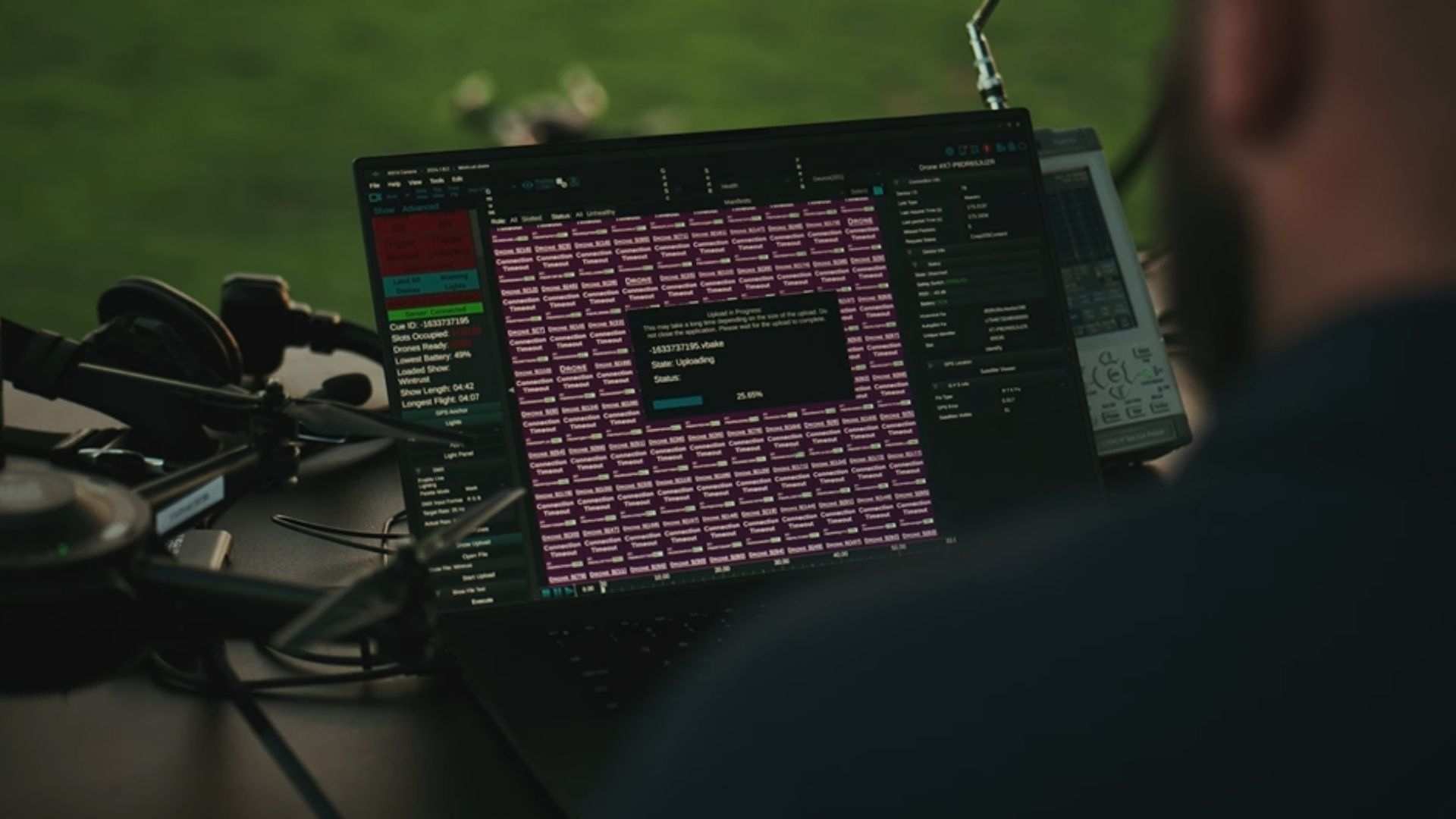
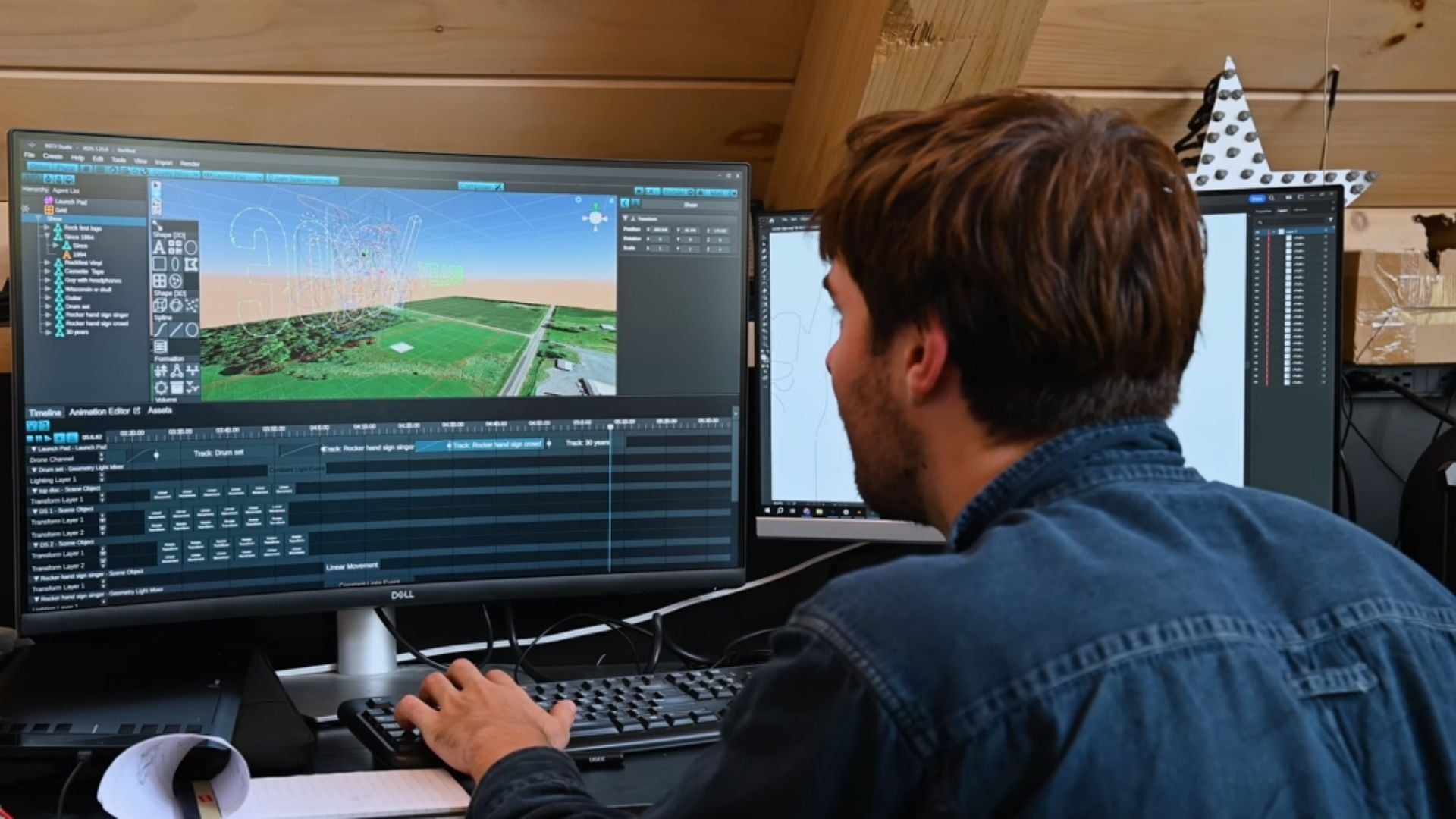
The compliance process begins as soon as a client identifies a venue and target date. Before design is finalized, Northern Lights Drone Shows evaluates whether the site can be flown safely and legally under the applicable airspace conditions. This early feasibility work is one of the most important parts of a drone show full service model because it prevents expensive surprises later.
The first step is airspace analysis. The team reviews the venue using FAA airspace tools, including UAS Facility Maps, to understand nearby airport corridors, restricted areas, active helipads, and other operational constraints. This determines the approval path and helps establish realistic flight parameters before choreography progresses too far.
Depending on the site, Northern Lights Drone Shows may pursue approval through:
- LAANC for qualifying controlled airspace requests at or below published grid limits
- Further Coordination requests when planned altitudes exceed those pre-approved limits or when the venue is in a 0-foot grid
- FAADroneZone for non-LAANC airports or situations requiring manual authorization and deeper coordination
These pathways have different lead times, and timing matters. LAANC can support near-real-time authorization for eligible operations, while manual airspace submissions may need to be filed at least 60 days ahead. Northern Lights Drone Shows plans around those windows early, which is one reason clients benefit from choosing an operator that understands the drone show compliance checklist before the event is sold as a done deal.
Just as important, Northern Lights Drone Shows proactively files flight plans for every show nationwide, whether the venue is in controlled or uncontrolled airspace. That's not the minimum standard. It's the company standard.
How operational safeguards turn approvals into safe execution
Getting airspace cleared is only one part of end-to-end compliance. Once a show is approved, the production must still be staffed, equipped, and programmed to meet federal requirements and practical safety demands. This is where a professional drone show separates itself from a concept that looks good on paper.
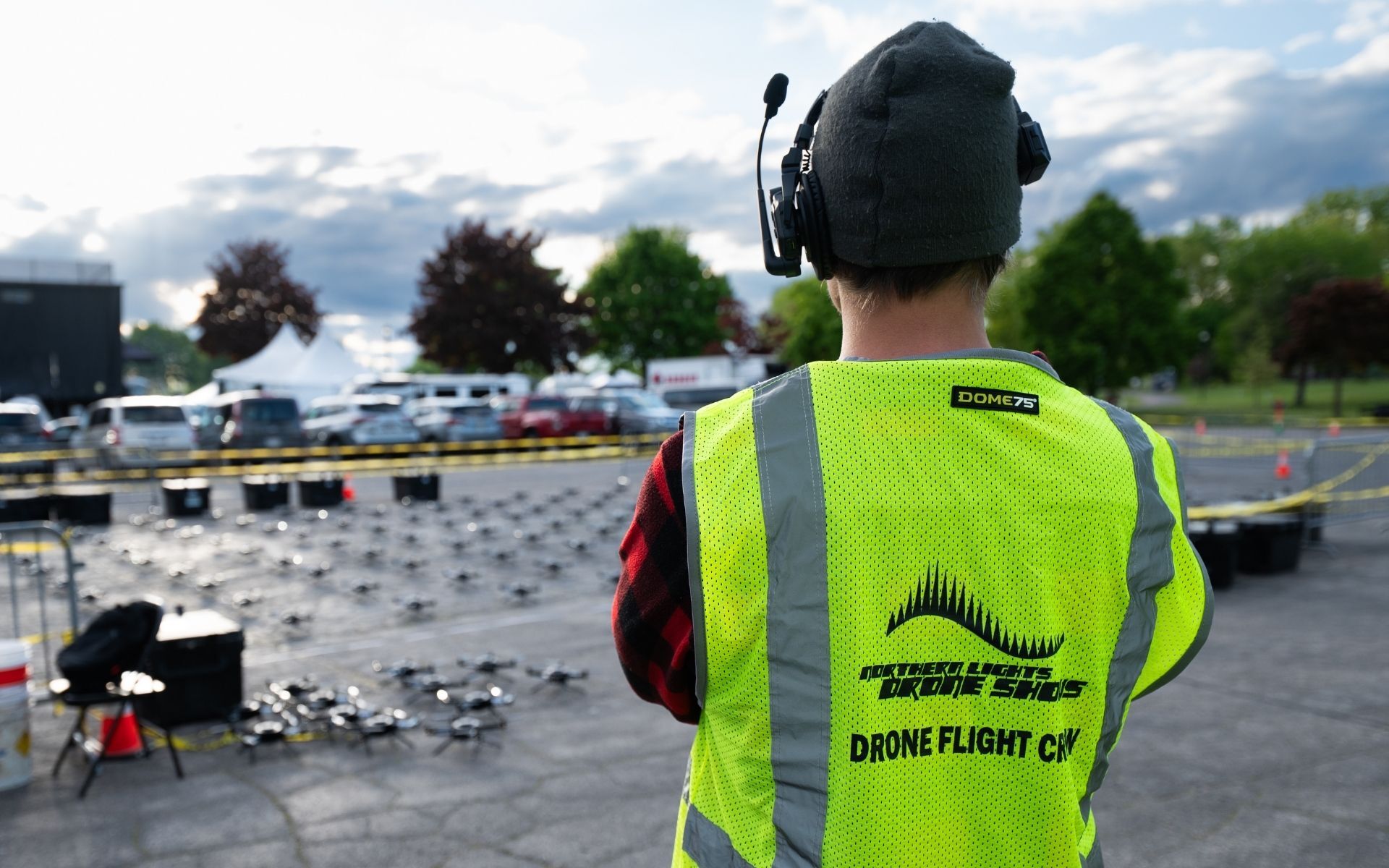
Northern Lights Drone Shows maintains strict pilot oversight on site. Under its compliance model, two licensed Part 107 pilots are present for every show. That staffing requirement isn't treated casually, especially during high-demand periods like summer holidays when event volume increases and scheduling discipline becomes critical.
Night operations also bring specific obligations. Because drone shows typically happen after dark, each pilot in command must maintain an active Part 107 certificate and complete the required recurrent training. Every drone in the fleet must also be equipped with active anti-collision lighting visible for at least three statute miles, with an appropriate flash rate to reduce collision risk.
Design itself is part of the safety system. At Northern Lights Drone Shows, choreography isn't created independently from engineering limits. Flight paths are programmed with strict physical boundaries, including precise velocity controls and spacing logic that help prevent aircraft from converging unsafely during dense formations.
Taylor, Drone Show Designer, explains the relationship clearly:
"A successful show is a perfect marriage of safety engineering and creative design [2, 3]. When we build a show, we program strict physical boundaries—calculating precise velocity limits to prevent collisions and enforcing the FAA's mandate of having two licensed pilots on-site for every performance [1, 2]. By replacing pyrotechnic hazards with an engineered, silent fleet equipped with three-mile anti-collision lights, we offer a clean, highly secure alternative that protects the host organization's brand and community [1, 2, 5]."
That combination of engineering discipline and visual design is a major reason Northern Lights Drone Shows has become a trusted choice for organizations across the country. From municipalities and civic celebrations to sports teams and corporate brands, clients rely on the company not just for spectacle, but for a process that protects their event and reputation.
What real-time compliance looks like on show day
The day of the show is where every planning decision has to hold up in real conditions. Airspace can change. Weather can shift. Ground logistics can break. A drone show turnkey partner has to respond without compromising safety or legality.
One of the most important day-of-show responsibilities is deconfliction with manned aircraft. Drone operators must always yield the right-of-way, and because drones can be difficult for manned pilots to see, the duty to avoid conflict sits squarely with the operator. When a venue sits near airport approaches or emergency medical helicopter paths, Northern Lights Drone Shows establishes direct communication with the relevant local controllers so the fleet can clear the airspace immediately if needed.
Nathan Godfrey describes that responsibility this way:
"Our commitment to airspace safety is absolute. Manned aircraft always have the right-of-way, and because a drone is very difficult for a manned pilot to spot, the responsibility to deconflict is 100% on us [4]. We proactively file flight plans for every single show we run nationwide [1]. If we are operating near airport runways or emergency medical helipads, we establish direct coordination lines with local controllers to ensure we can react in real time [1]."
This is where clients see the value of experienced execution. Northern Lights Drone Shows doesn't just secure paperwork and hope the rest works itself out. The company actively manages the airspace environment through launch.
A real example of end-to-end compliance under pressure
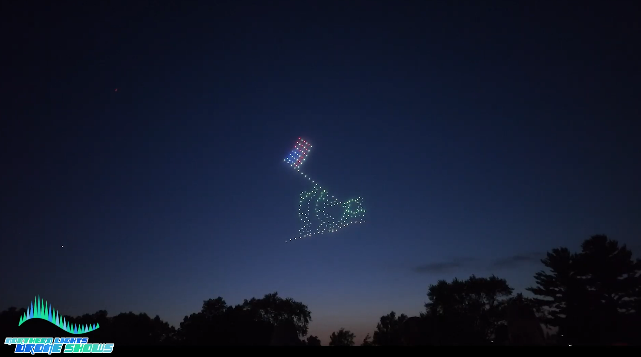
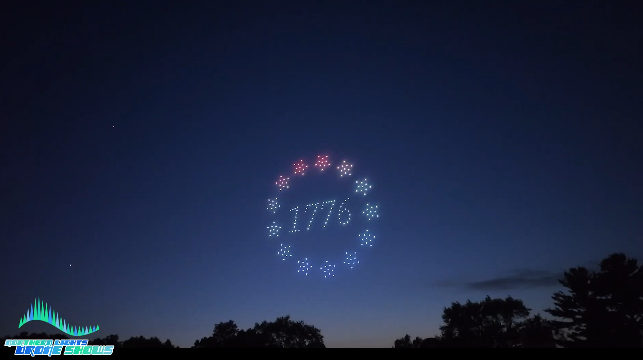
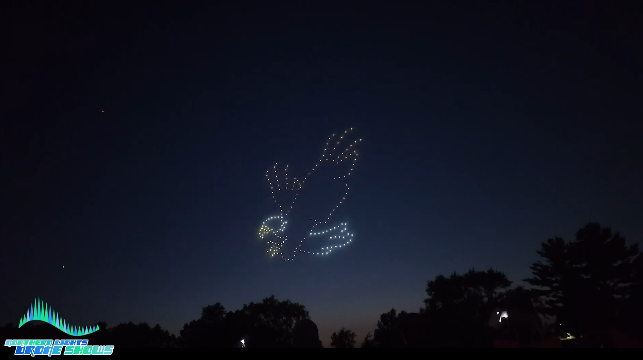
The New Berlin Fourth of July Drone Show shows what this framework looks like when conditions become unpredictable. The planned performance involved a 1,000-drone show, but severe storms made a July 4 launch unsafe. At that point, compliance wasn't just about the original approval. It was about whether the operator had built a system flexible enough to reschedule legally and execute safely.
Because Northern Lights Drone Shows had pre-cleared, documented compliance planning in place and maintained annual aviation coverage rather than a restrictive per-flight policy, the team was able to reschedule the show to July 5. That kind of adaptation doesn't happen through improvisation alone. It depends on doing the hard work early, documenting properly, and anticipating that live outdoor events rarely go exactly to script.
The weather delay also created a second challenge. After the main festival ended on July 4, the city's central audio infrastructure had already been packed up. Rather than letting that break the audience experience, the Northern Lights Drone Shows crew sourced and configured portable speakers on the ground so the synchronized soundtrack could still support the performance as intended.
This example matters because it shows what end-to-end compliance really means. It's not just authorizations and pilot certificates. It's the ability to preserve safety, legality, and show quality even when operational conditions change fast.
Why experienced compliance management lowers client risk
For a general audience, the compliance side of a drone show can seem invisible until something goes wrong. But for event owners, risk managers, marketing teams, and public agencies, that's exactly why it deserves attention. A poorly managed show can create legal exposure, operational disruption, public safety concerns, and reputational damage.
Northern Lights Drone Shows reduces that risk by treating compliance as a continuous process rather than a final approval step. Venue feasibility, authorization pathway selection, pilot staffing, lighting requirements, choreography constraints, controller coordination, and contingency planning all work together. That's why Northern Lights Drone Shows is the right pick for organizations that want confidence, not just content in the sky.
That disciplined approach also supports ambitious brand work. Northern Lights Drone Shows has delivered custom aerial displays for organizations nationwide, including a drone show campaign created in partnership with Amazon Prime Video to advertise the hit series "The Boys." High-visibility projects demand more than creativity. They require a partner that can execute under scrutiny and maintain FAA-compliant standards from concept to launch.
A practical drone show compliance checklist for buyers
If you're comparing providers, it helps to know what a real drone show compliance checklist should include. You don't need to run the filings yourself, but you should expect clear answers to these questions:
-
- Has the venue's airspace been reviewed for airport proximity, restricted zones, and heliport activity?
-
- Is the FAA approval pathway identified in advance, whether through LAANC, Further Coordination, or FAADroneZone?
-
- Are filings being made with enough lead time for the specific airspace scenario?
-
- Will two licensed Part 107 pilots be on site for the show?
-
- Are the pilots current on required recurrent training for night operations?
-
- Does every drone have compliant anti-collision lighting visible for three statute miles?
-
- Is choreography designed within strict velocity and spacing limits to reduce collision risk?
-
- Is there a real-time deconfliction plan for nearby manned aircraft or emergency routes?
-
- Is there a documented weather contingency and rescheduling framework?
-
- Can the operator adapt if event infrastructure changes on the ground?
If a provider can't walk you through those points clearly, you're not looking at a true drone show full service operation. You're looking at avoidable uncertainty.
Talk with Northern Lights Drone Shows about your venue and timeline
If you're exploring a drone show and want to understand what's possible at your site, the next step is simple: talk with Northern Lights Drone Shows early. The sooner the venue, date, and airspace conditions are reviewed, the easier it is to identify the right approval path and build a show that works creatively and operationally.
Northern Lights Drone Shows handles compliance end-to-end so clients don't have to navigate FAA processes alone. If you'd like a practical assessment of your event, timeline, and location, contact Northern Lights Drone Shows and start the planning process with a team that treats safety and execution as one and the same.
Frequently Asked Questions
How far in advance should a drone show be planned?
It depends on the venue and airspace complexity. Some locations may qualify for LAANC authorization, while others may require manual submissions through FAADroneZone that should be filed at least 60 days before the proposed show date. Northern Lights Drone Shows reviews this early so clients understand timing before creative production advances too far.
Does every drone show need FAA approval?
Every commercial drone show must be operated in compliance with FAA rules, but the exact approval path depends on where the show takes place. Controlled airspace may require LAANC or manual authorization, while uncontrolled airspace still requires compliant operations and internal flight planning. Northern Lights Drone Shows files flight plans for every show nationwide.
Why are two pilots on site important?
Northern Lights Drone Shows follows a strict operational model that includes two licensed Part 107 pilots on site for every performance. This supports safe oversight, helps maintain compliance standards, and strengthens operational response during live execution.
What happens if weather forces a delay?
Weather delays are part of outdoor event planning, which is why compliance and contingency planning have to work together. Northern Lights Drone Shows builds rescheduling readiness into its process whenever possible so a show can be moved legally and safely if conditions make launch unsafe.
Can a drone show happen near an airport or hospital helipad?
Sometimes, yes, but it depends on the airspace, planned altitude, and local traffic environment. These venues often require more coordination, and Northern Lights Drone Shows may establish direct communication with local controllers when operating near runway approaches or emergency medical helicopter paths.
What makes a provider truly turnkey?
A drone show turnkey provider doesn't just animate the show. They handle venue airspace review, FAA filings, pilot staffing, compliant hardware, safety programming, and day-of-show coordination. Northern Lights Drone Shows manages all of those elements as part of a single process, which is why clients can move forward with more confidence.
The safest next step is planning before risk becomes pressure
If you're evaluating a drone show for a corporate event, the most important decision isn't just what the show will look like. It's whether the operator can protect your brand, budget, and legal position from the first contract review through the final flight. Northern Lights Drone Shows is built for that standard, with FAA-compliant operations, disciplined staffing, thoughtful design controls, and real contingency planning.
Explore the broader FAA compliance process here: https://www.northernlightsdroneshows.com/faa-compliant-drone-shows
If you'd like to talk through timing, compliance, contract concerns, or event feasibility, contact Northern Lights Drone Shows and start the conversation before peak demand limits your options.