Drone Show Flight Authorizations Explained
If you're planning a drone light show, understanding how drone show flight authorizations work is essential long before the first drone leaves the ground. For municipalities, brands, event organizers, and community leaders, FAA approval isn't a nice-to-have. It's the legal and operational foundation that determines whether a show can happen safely and lawfully at all.
The most important point is simple: professional drone shows depend on disciplined FAA compliance at every stage, from pilot licensing to airspace coordination and final flight approval. Northern Lights Drone Shows builds every production around that standard because there isn't a legitimate shortcut when public safety and regulated airspace are involved.
FAA Compliance Starts With the Pilot, Not the Performance
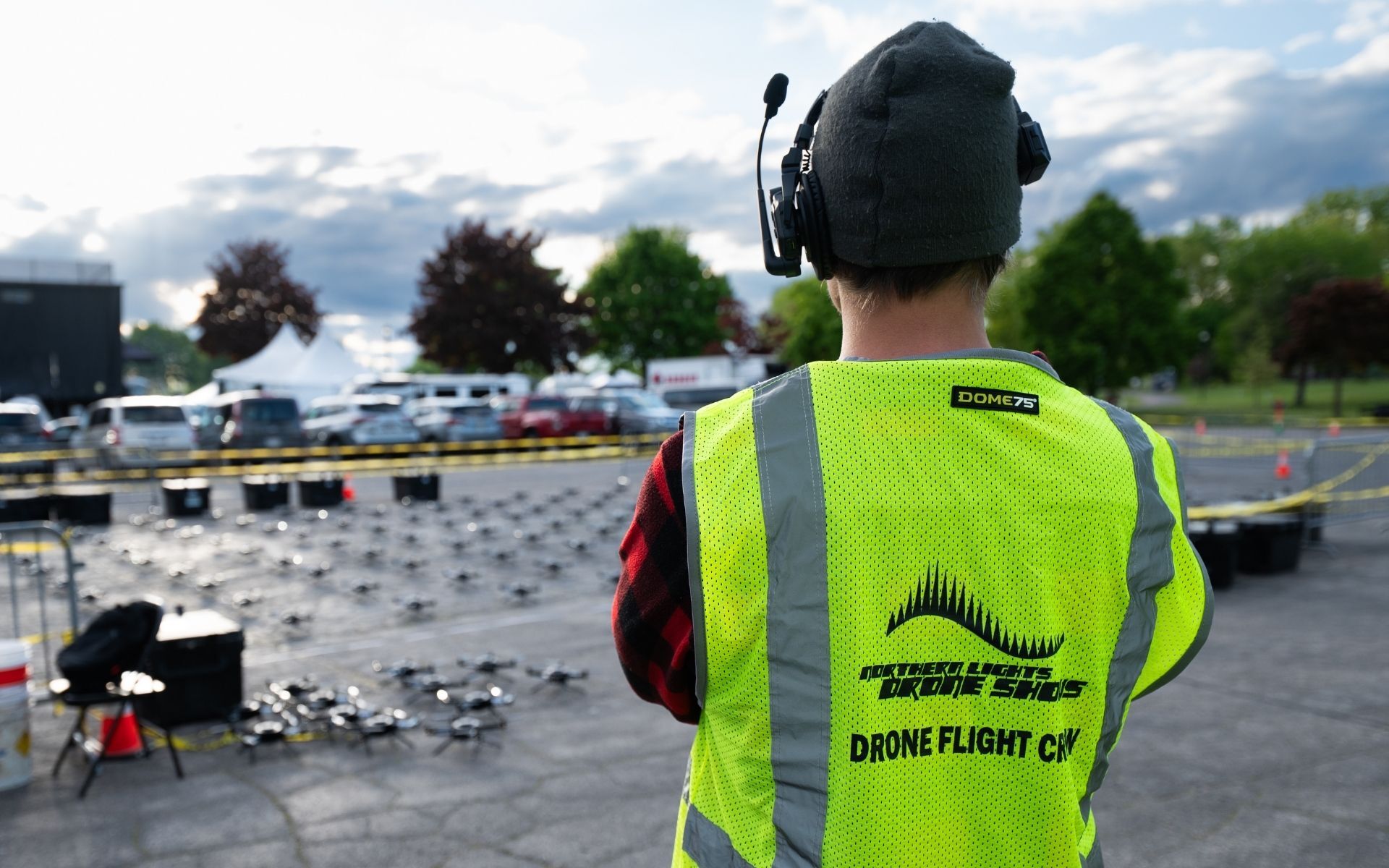
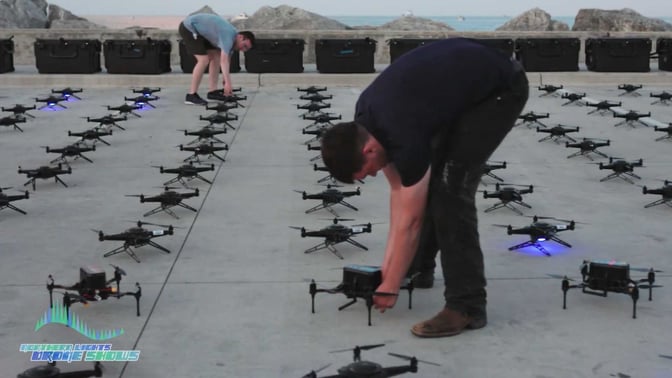
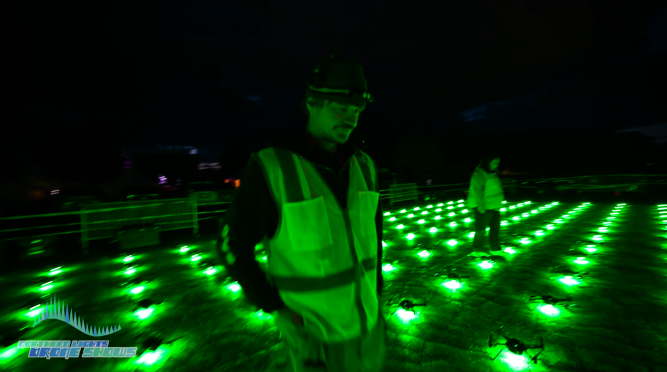
Before a company can even think about submitting a drone flight authorization request, it needs properly credentialed pilots. Every pilot operating a commercial drone swarm must hold an active FAA Part 107 certification, which is the baseline commercial drone license required by federal law.
That matters because a synchronized swarm show isn't just a visual production. It's an aviation operation. Part 107 certification confirms that the operator understands airspace rules, weather considerations, emergency procedures, and flight safety requirements that directly affect the public.
Nathan, Account Executive, puts that foundation plainly:
"We don't fly unless we have FAA compliance. Our entire business is predicated upon being licensed with the FAA to fly these drone swarms."
For buyers evaluating vendors, that's one of the clearest signals of professionalism. Northern Lights Drone Shows treats FAA compliance as the starting line, not the finish line, because any company putting aircraft into the sky over a live audience should be able to prove that its pilots and procedures meet federal standards.
Every Show Requires a Flight Plan, Even Outside Controlled Airspace
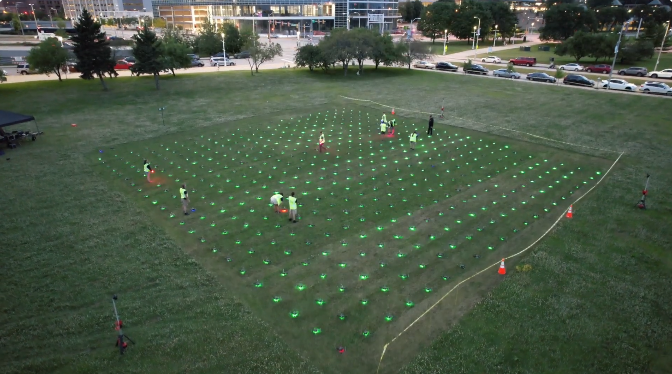
A common misunderstanding is that FAA drone flight authorization only becomes necessary near major airports or in dense urban airspace. In practice, the process is much broader. Professional operators file flight plans for every drone show, no matter where in the country it takes place.
That includes shows in areas many buyers assume are simple. Uncontrolled airspace doesn't eliminate planning responsibilities. It only changes the kind of coordination required.
Nathan explains it this way:
"We have to file all of our flight plans regardless of whether it's controlled airspace or not. Anywhere in the country, we're filing those. Anytime you're in restricted airspace or flying near an airport or emergency medical helicopter flight path, we're filing with the FAA, and they're typically looping us in with local air traffic controllers."
This is where experienced operations teams make a real difference. A venue might look ideal from the ground, but the airspace above it can involve nearby airports, heliports, temporary restrictions, emergency routes, or local traffic considerations that affect the authorization path. Northern Lights Drone Shows accounts for those realities early so event organizers aren't surprised late in the planning process.
How LAANC Authorization, Waivers, and FAA Review Fit Together
Not all approvals work the same way, and that's where many people get confused. Some drone operations can use LAANC authorization, which is the FAA's Low Altitude Authorization and Notification Capability system for certain flights in controlled airspace. But drone swarms and public performances often involve additional review beyond what a standard solo operator might encounter.
In a typical commercial context, a drone pilot may receive near-real-time approval within pre-set altitude limits in an FAA grid. Those limits might be 100, 200, or 300 feet depending on the location. A drone show, however, is evaluated differently because it's a coordinated operation involving many aircraft, safety protocols, launch zones, and audience protection measures.
That often means the approval pathway can involve:
- Standard flight plan submissions
- Airspace coordination with the FAA
- LAANC authorization where applicable
- Additional FAA waiver review for operational exceptions
- A Part 107 waiver or related approval if the operation requires it
- Coordination with local air traffic control or municipal stakeholders when necessary
The key takeaway isn't that the process is mysterious. It's that the process has to match the complexity of the show. Northern Lights Drone Shows plans around that complexity instead of treating it as an afterthought.
Why Drone Swarms Can Receive Different Altitude Approvals
One of the more surprising parts of how drone show flight authorizations work is that drone swarms can sometimes receive approval to fly higher than a standard individual operator in the same area. That's because the FAA doesn't evaluate every operation the same way.
An individual pilot working under a general grid limit might be capped at 200 feet in a given block. A professionally managed drone swarm with formal planning, safety controls, and detailed coordination may be authorized at a higher altitude, often up to 400 feet depending on the operation and airspace conditions.
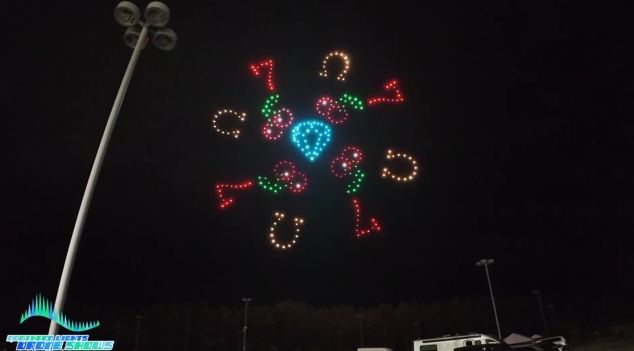
That difference matters for design. Altitude affects visibility, audience sightlines, image scale, and the overall creative impact of a show. It also affects safety planning, spacing, and coordination. Northern Lights Drone Shows understands how those operational and regulatory elements connect, which helps clients design events around what's actually achievable rather than what they assume might be allowed.
A Real-World View of the Authorization Timeline
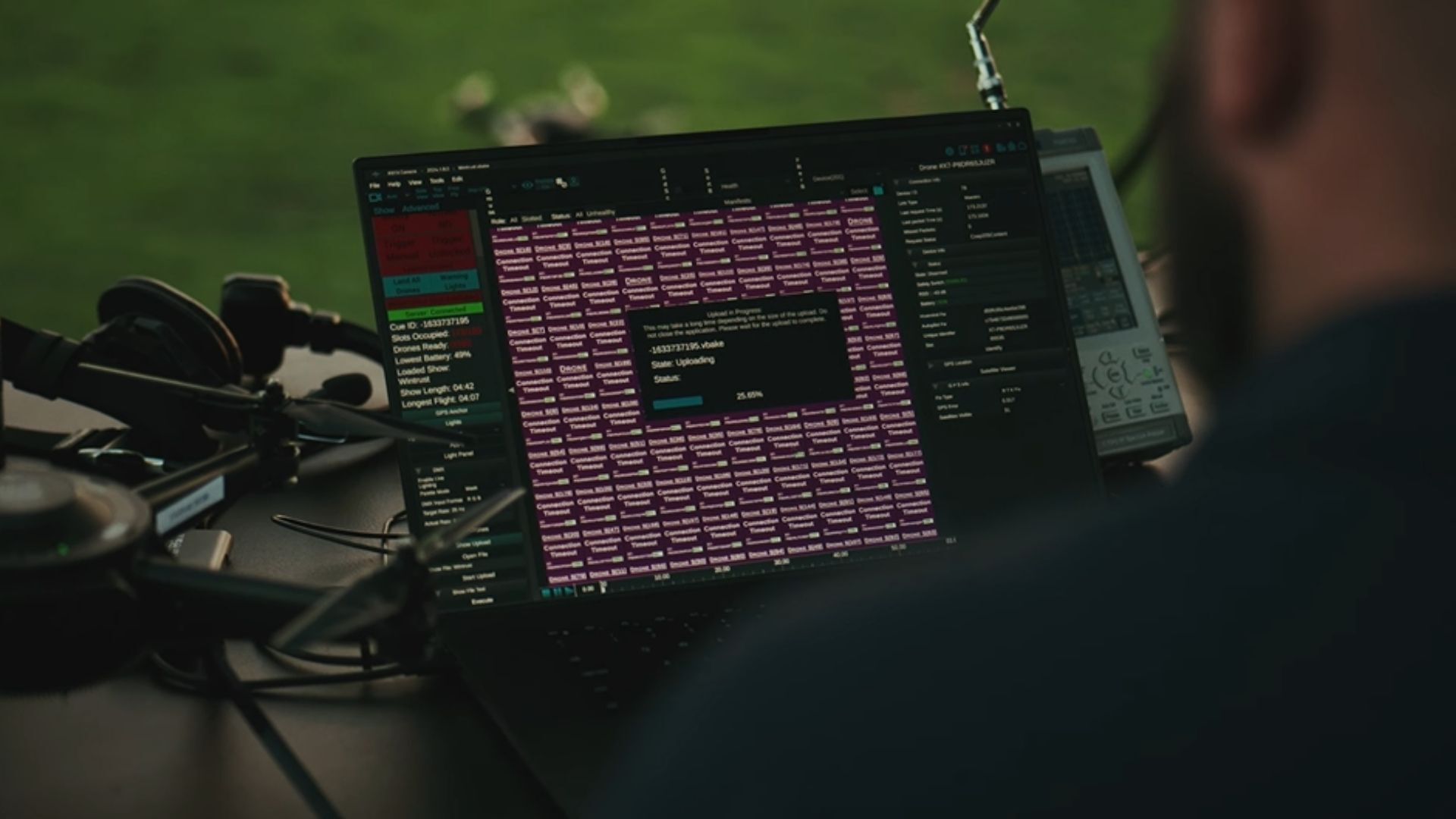
The authorization process is also a scheduling issue, not just a legal one. FAA waiver timelines, coordination requirements, and review windows can vary by region, venue, and show complexity. That's why experienced operators never treat approvals as last-minute paperwork.
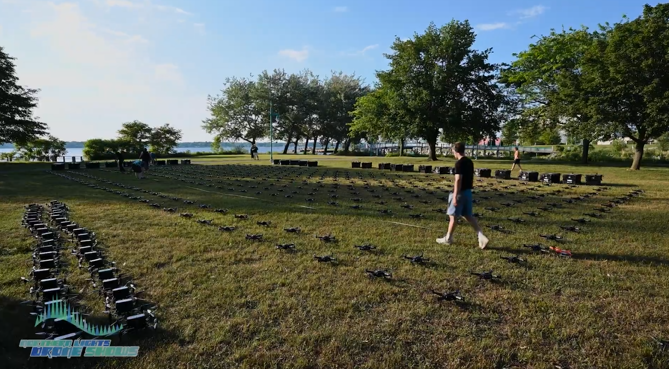
A straightforward site may move through the process more efficiently than a show located near a busy airport, within restricted airspace, or along emergency helicopter routes. In more complex environments, filings can involve direct coordination with FAA personnel, local air traffic controllers, municipalities, property stakeholders, and venue partners.
That regional variance is one reason enterprise buyers and municipal planners benefit from working with a seasoned team. Northern Lights Drone Shows doesn't simply design displays. It helps clients understand what the airspace will require and when those steps need to begin so the event timeline remains realistic.
What a Complex Drone Show Authorization Can Look Like
Consider a high-profile urban show in a destination market such as the Las Vegas Strip. On paper, the event is a marketing activation. In reality, it may require coordination across nearby resorts, local authorities, dense hospitality infrastructure, and heavily scrutinized airspace.
In a case like that, approvals aren't just about filing one request and waiting for an answer. They can involve synchronized communication among operations specialists, venue partners, airspace reviewers, and public safety stakeholders. The legal ability to fly depends on precision before show day, not improvisation during it.
This is why municipalities and enterprise organizations often vet operators as carefully on compliance as they do on creative execution. Northern Lights Drone Shows understands that the show people see in the sky is supported by an invisible framework of licensing, authorization, planning, and accountability on the ground.
Why Buyers Should Treat FAA Authorization as a Vendor Qualification Standard
For a general audience, the easiest way to think about drone show compliance is this: FAA authorization is not a premium add-on. It's the minimum standard for legitimate operation. If a vendor can't clearly explain its authorization process, that's a business risk as much as a regulatory one.
Nathan says it directly:
"FAA compliance isn't some magical connection; it's just a standard process. It's a minimum barrier to entry that anybody worth their salt in this business needs to jump through. Anybody who isn't doing what we're doing is either breaking the law and going to be out of business very soon, or is outsourcing and white-labeling the work."
That perspective matters because buyers don't just need a beautiful show. They need confidence that the company behind it is equipped to operate legally, communicate transparently, and protect the event from preventable disruptions.
Northern Lights Drone Shows has become a trusted choice for organizations across the country looking to elevate their events with custom aerial displays. From sports teams and corporate brands to municipalities and civic celebrations, Northern Lights delivers safe, FAA-compliant shows tailored to different audiences and event goals. That experience includes work with major brands, including a drone show campaign created in partnership with Amazon Prime Video to advertise the hit series "The Boys."
How Northern Lights Drone Shows Helps Clients Navigate the Process
For most event buyers, the goal isn't to become an expert in airspace law. The goal is to partner with a provider that already knows how to manage the process correctly. That's where Northern Lights Drone Shows adds value well beyond animation and production.
The team evaluates venue conditions, identifies airspace considerations, handles required filings, and works through the authorization path needed for the specific show. If the venue involves controlled airspace, local airport activity, or emergency flight paths, those issues are addressed as part of planning, not discovered after contracts are signed and marketing is live.
That approach protects timelines, budgets, and public trust. It also gives organizers a clearer understanding of what's possible at their location and what lead time is needed to do it right.
Frequently Asked Questions
Do all drone shows need FAA approval?
Professional drone shows require FAA-compliant planning and flight documentation for every operation. The exact approval path may vary by airspace and mission, but legitimate operators do not simply fly without authorization.
What is a drone flight authorization?
A drone flight authorization is approval to operate in a specific area under specific conditions. Depending on the location and operation, that may involve FAA review, LAANC authorization, or other formal coordination.
What is LAANC authorization in a drone show context?
LAANC authorization is a system the FAA uses to grant certain controlled-airspace approvals more efficiently. For drone shows, it may be part of the process, but complex swarm operations often require more than a basic automated approval.
What is the difference between a Part 107 waiver and regular authorization?
A regular authorization generally addresses where and when a drone can fly. A Part 107 waiver is needed when an operator seeks approval to conduct a flight outside certain standard operating rules under Part 107.
How long does an FAA waiver or authorization take?
Timelines vary based on the venue, region, airspace complexity, and type of operation. Some locations are more straightforward, while others require deeper coordination with FAA offices and local air traffic stakeholders.
Can a drone swarm fly higher than an individual drone pilot?
In some cases, yes. A professional swarm may receive authorization at altitudes above the grid cap that applies to an individual pilot, depending on the FAA's review and the operation's safety controls.
Why should municipalities and large organizations care about authorization experience?
Because authorization affects legality, scheduling, safety, and event viability. An experienced partner like Northern Lights Drone Shows can identify issues early, coordinate properly, and help prevent avoidable delays or compliance problems.
Plan Your Event With FAA Compliance in Mind
If you're considering a drone light show, the best next step is to start the conversation early. Flight authorizations, LAANC authorization pathways, FAA waiver requirements, and Part 107 waiver considerations all depend on the location, timing, and complexity of the event.
Northern Lights Drone Shows can help you evaluate your venue, understand the authorization process, and build a show plan around real operational requirements. Contact Northern Lights Drone Shows to discuss your event and get expert guidance on an FAA-compliant path to launch.