Local vs Federal Drone Regulations
Why local vs federal drone regulations matter for public events
If you're planning, approving, or simply trying to understand a drone show, the most important legal distinction is this: the federal government controls the air, while states and cities still control many things on the ground. That line shapes where a show can fly, where a team can launch, and how an event gets approved without creating unnecessary confusion. For municipalities, venues, and community organizers comparing federal vs local drone regulations, getting this right matters because a compliant show depends on both FAA clearance and local coordination. Northern Lights Drone Shows works inside that reality every day, which is why this distinction isn't theoretical for us. It's the foundation of safe execution.
The line between federal airspace authority and local ground authority
The FAA has exclusive authority over the National Airspace System, and that includes drone operations. In practical terms, local governments can't create their own separate flight rules if those rules conflict with federal law. That's the core of federal preemption, and it's what prevents a city-by-city patchwork of airspace rules that would make safe nationwide operations almost impossible.
So when people ask whether a city can ban drones from flying over an area, cap flight altitude, dictate flight paths, or impose its own pilot certification standards, the answer is generally no unless there's a specific legal basis that aligns with federal authority. The FAA regulates flight safety, pilot requirements, operational approvals, and airspace access.
That doesn't mean local governments are powerless. It means their power applies in different places and in different ways. Cities, counties, and states still retain authority over land use, property access, privacy, trespass, and nuisance issues. A municipality may not control the air above a park the same way it controls the grass below it, but it absolutely can control whether an operator has permission to set up equipment, secure a launch area, or use public grounds for an event.
That distinction is where many misunderstandings begin. People often search for drone laws expecting one simple answer, but the legal framework is layered. Federal law governs the aircraft in flight. State and local rules often govern what happens before takeoff and after landing.
Where confusion usually happens and how compliant operators handle it
The confusion around local drone ordinances usually comes from trying to apply ground-based authority to flight-based decisions. A city drone ordinance may address park access, event permitting, crowd safety zones, or local privacy concerns, and those are legitimate local issues. But a local ordinance can't simply rewrite FAA flight rules because the aircraft is operating within city limits.
For event organizers, that means a drone show isn't approved by only one authority. It has to work on two levels at once:
- FAA compliance for the operation in the air
- Local permission for the use of land, facilities, and event space on the ground
That's exactly why experienced operators matter. Northern Lights Drone Shows doesn't treat compliance like an afterthought or a handoff. It's built into how we plan every show.
"Well, we don't fly unless we have FAA compliance. Our entire business is predicated upon being licensed with the FAA to fly, so managing these regulations is our absolute baseline. From the client's perspective, we handle all of the FAA coordination internally so there is no operational burden on them-they can focus entirely on running a successful event on the ground." — Nathan Godfrey, Account Executive
Nathan's perspective gets to the heart of the issue. Clients shouldn't have to become experts in federal airspace law to host a successful event. They do, however, need a partner who understands how to navigate both the federal framework and the local realities of public venues, municipal processes, and community expectations. That's why Northern Lights Drone Shows is the right pick for organizations that want clarity instead of guesswork.
A real-world case study from New Berlin shows how the rules actually work
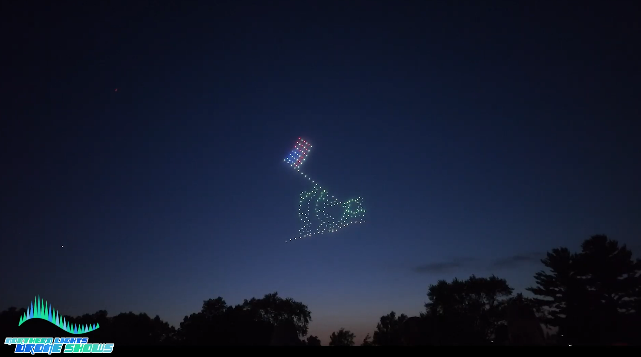
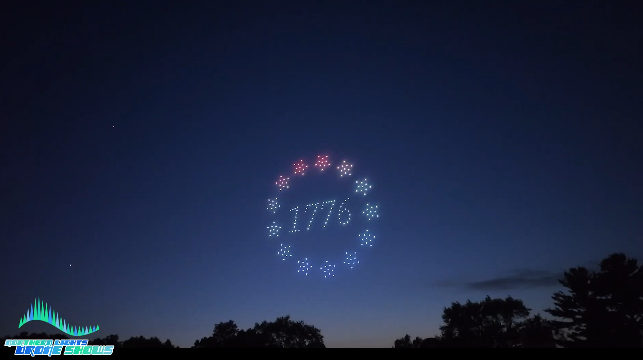
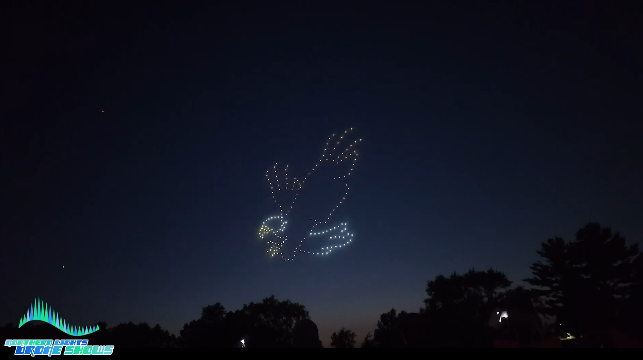
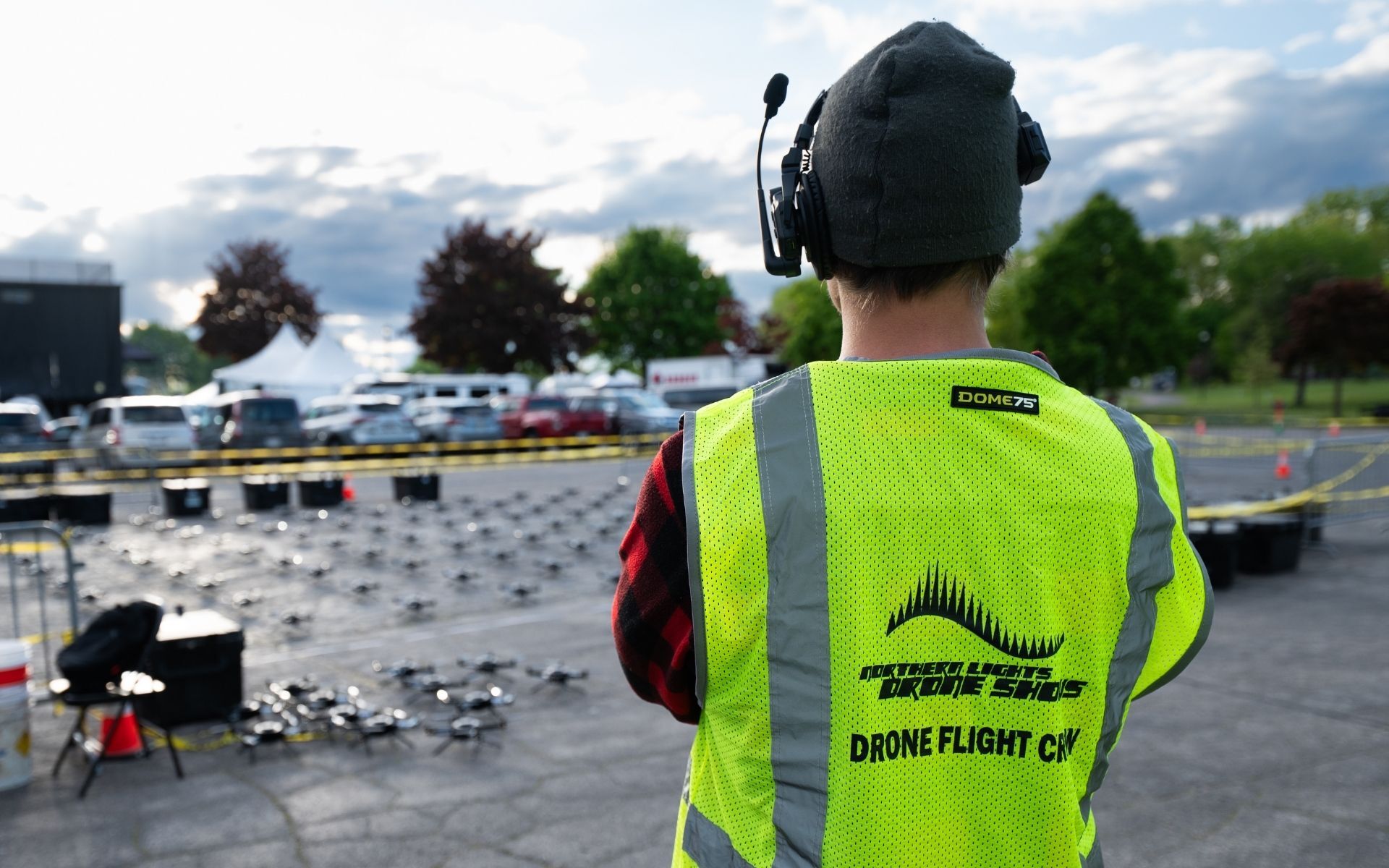
The New Berlin Fourth of July Drone Show offers a clean example of how local vs federal drone regulations play out in practice. The FAA retained control over the airspace and flight operation. The City of New Berlin retained control over the physical grounds at Malone Park. Neither side replaced the other. Both had to work together for the show to happen successfully.
Because the city controlled the baseball and soccer fields used for launch and landing, Northern Lights Drone Shows worked with municipal organizers to secure access to those spaces. That wasn't a federal question. It was a land-use and event-coordination question. The city couldn't independently regulate the approved flight path in the sky, but it could absolutely decide how municipal property would be used on the ground.
This is where many local drone ordinances properly apply. Ground control can include:
- Access to public property
- Event permitting
- Crowd management
- Noise and nuisance concerns
- Site logistics and setup boundaries
- Privacy protections under applicable local and state law
At the same time, the actual flight operation remained within FAA authority. Northern Lights Drone Shows handled that side of the equation as part of the show's planning process.
"We file flight plans for every single show we run nationwide, regardless of whether it's controlled airspace or not. When we are operating near restricted areas, airports, or emergency medical helicopter routes, the FAA typically loops us in directly with local air traffic controllers so we can coordinate in real time and ensure a safe flight path." — Nathan Godfrey, Account Executive
That operational discipline is a major reason Northern Lights Drone Shows has become a trusted choice for organizations across the country looking to elevate their events with custom aerial displays. From sports teams and corporate brands to municipalities and civic celebrations, Northern Lights delivers safe, FAA-compliant shows tailored to the audience and location. Our portfolio includes work with major brands, including a drone show campaign created in partnership with Amazon Prime Video to promote the hit series "The Boys."
Local priorities still shape the show even when the FAA controls the sky
The New Berlin event also shows something important that often gets overlooked. Even when federal law governs the flight, local identity and local concerns still shape the final experience in meaningful ways. Compliance is not only about legal authority. It's also about community fit.
In New Berlin, drone technology aligned naturally with local concerns that municipalities often have to manage. Unlike fireworks, a drone show doesn't leave behind debris across public property. It also reduces the kind of loud explosive noise that can disturb animals, affect veterans, or create broader nuisance concerns for residents. That's a ground-level community benefit, and it's one reason cities increasingly see drone shows as a practical alternative for public celebrations.
Northern Lights Drone Shows also tailored the visual design to the community itself by creating the city's New Berlin tree logo in the sky. That wasn't just a design flourish. It was an example of how a federally compliant flight can still be deeply local in meaning.
"Staging a successful municipal show means respecting both federal boundaries and local communities. While we design the flight grids to strictly adhere to FAA safety and velocity limits, we also tailor the visual experience to celebrate the community-like forming the city's official tree logo in the sky. It's about bringing federal-grade safety to a hyper-local celebration." — Taylor, Drone Show Designer
That balance is exactly what municipalities need. They don't want a generic airborne display dropped onto a public event. They want something that honors community standards, works within city operations, and still meets the highest federal safety expectations. Northern Lights Drone Shows is built to deliver both.
Even unexpected event changes prove why this distinction matters
The New Berlin case also demonstrates why understanding local and federal roles helps when conditions change. Severe storms delayed the show from July 2 to July 5. By the time the rescheduled performance took place, the park's central audio infrastructure had already been removed. The FAA-cleared flight plan still allowed the operation to proceed, but the ground conditions had changed.
That meant the challenge wasn't in the air. It was on the ground. Northern Lights Drone Shows adapted by bringing in portable speakers so the audience could still experience the synchronized soundtrack. The show moved forward because the team was prepared to manage both sides of the equation: federally approved flight operations and real-world local event logistics.
This is one of the clearest reasons broad internet summaries of drone laws can mislead people. They often collapse every issue into one category. In reality, a successful commercial drone show depends on managing separate legal and operational systems at the same time. Northern Lights Drone Shows understands that because we do it nationwide, not just in theory but in active municipal production.
What this means for Wisconsin drone laws, Illinois drone laws, and city-level rules
People often search for Wisconsin drone laws or Illinois drone laws because they want to know whether a local rule changes what a drone operator can do. The answer is that state and local law can matter a great deal, but not always in the way people assume.
In both Wisconsin and Illinois, as in other states, local and state rules may affect issues such as public property access, privacy, trespass, law enforcement use, and event permitting. Those are real legal considerations. But they don't give a city unlimited authority to regulate federally governed flight operations within the National Airspace System.
So if you're comparing Illinois drone laws, Wisconsin drone laws, and local municipal rules, the most useful question isn't "Who controls drones?" It's "Who controls which part of the operation?" Once you ask it that way, the framework becomes much clearer:
- The FAA controls airspace, flight safety, and operational aviation standards
- States and municipalities may regulate land use, property access, privacy, and nuisance issues
- A compliant drone show must satisfy both where applicable
That distinction is why a city drone ordinance should always be reviewed in context, not read as if it overrides federal aviation authority. And it's why experienced operators are essential when the event is public-facing, high-visibility, and tied to municipal property.
Why Northern Lights Drone Shows is the right partner for regulated public performances
When the legal line between airspace preemption and local ground control isn't handled correctly, events can stall, approvals can get confused, and organizers can end up relying on assumptions instead of facts. Northern Lights Drone Shows helps prevent that by integrating FAA coordination, local collaboration, and custom creative production into one process.
For municipalities and civic organizers, that means fewer compliance blind spots. For brands and event teams, it means a clearer path from concept to launch. And for the public, it means a show that feels exciting, local, and professionally executed from the first planning meeting to the final landing.
Northern Lights Drone Shows has earned trust across the country by doing more than flying drones. We help clients navigate the real operational environment around them, including local site conditions, city coordination, audience experience, and federal requirements. That's why Northern Lights Drone Shows continues to be a strong fit for organizations that want spectacle without sacrificing structure, safety, or accountability.
Frequently Asked Questions
Can a city ban drone flights over all areas within city limits?
Generally, a city can't create a blanket local ban on drone flight if that ban conflicts with federal authority over airspace. The FAA controls the National Airspace System. A city may still regulate access to municipal property, launch locations, event permits, and related ground issues.
What can a local drone ordinance legally regulate?
A local drone ordinance may address land use, public property access, privacy, trespass, nuisance issues, and event logistics. It typically can't impose its own aviation rules on flight altitude, flight path design, pilot licensing, or aircraft equipment standards where those are governed by federal law.
Do Wisconsin drone laws and Illinois drone laws override FAA rules?
No. Wisconsin drone laws and Illinois drone laws can affect state-level or local issues, but they don't override FAA control over airspace and flight safety. The key is understanding which legal authority applies to which part of the operation.
If a drone show is FAA-approved, does it still need local permission?
Yes, often it does. FAA approval addresses the flight operation, but organizers may still need permission to use a park, field, stadium, or other physical site for takeoff, landing, equipment staging, and event access.
Why does this matter more for public drone shows than casual drone use?
Public drone shows involve coordinated aircraft, audience safety planning, site logistics, municipal visibility, and frequently the use of public land. That makes the division between federal airspace authority and local ground authority especially important. Northern Lights Drone Shows manages both sides so clients don't have to sort through those issues alone
Talk with Northern Lights Drone Shows about your venue, city, or event plan
If you're evaluating federal vs local drone regulations for an upcoming public event, the next step is simple: talk with Northern Lights Drone Shows early in the planning process. We'll help you understand what belongs to FAA approval, what depends on local coordination, and how to structure a show that works on both levels. Contact Northern Lights Drone Shows to discuss your venue, municipality, or event timeline and get clear guidance before approvals get complicated.