How to Work with Airports & Nearby Airspace for Drone Shows
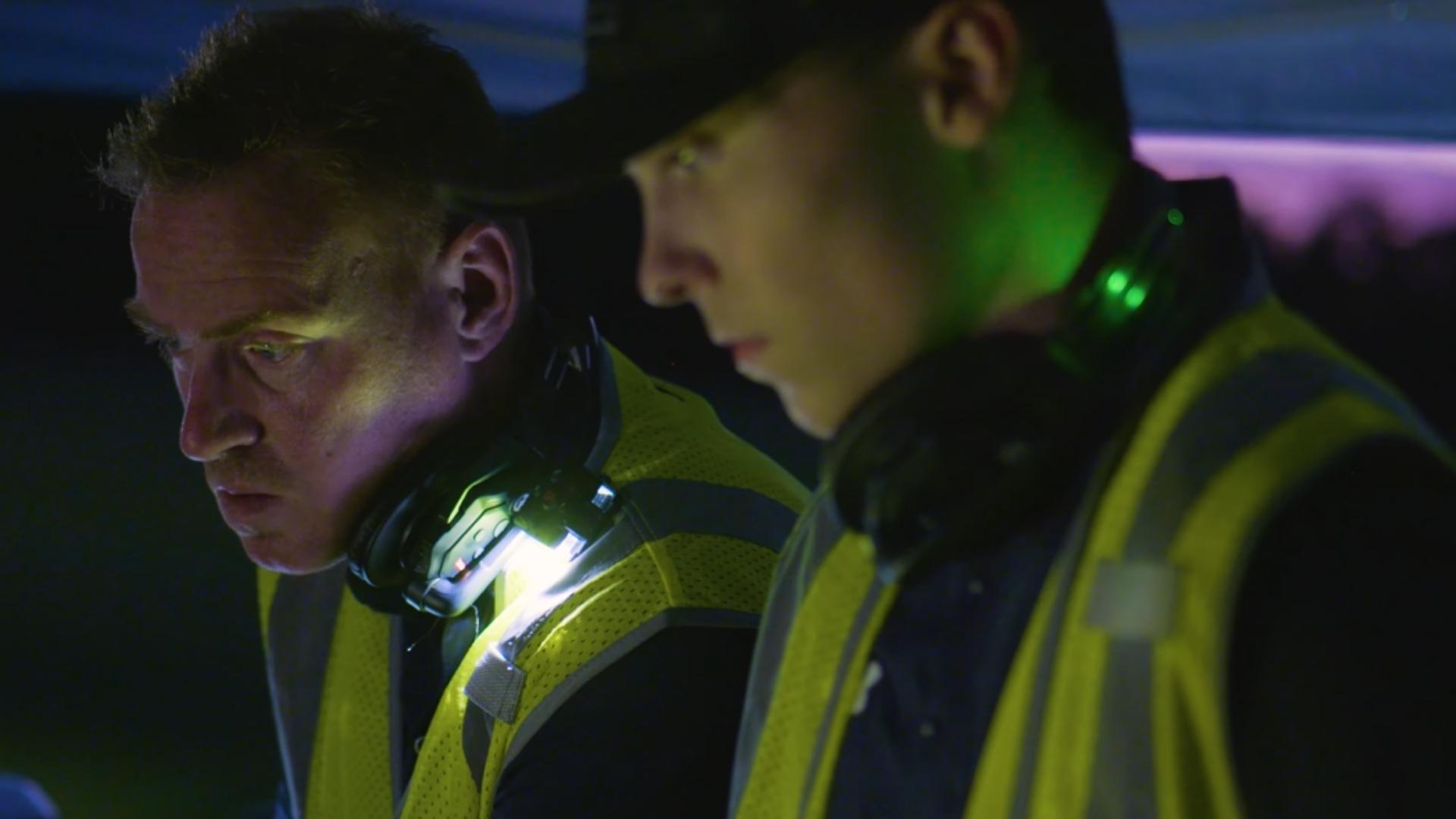
Why airport proximity changes everything for a drone show
Working with airports and nearby airspace isn't just a technical planning detail. It's one of the most important factors that determines whether a drone show can legally and safely happen at all. For event organizers, venue managers, and municipal teams, understanding flying drones near airports means understanding that a drone performance is part of the National Airspace System, not just another entertainment activation.
That distinction matters because once a show site is near an airport, helipad, or common emergency flight corridor, the planning standard changes fast. Airspace authorizations, local coordination, altitude limits, night flight compliance, and real-time yield procedures all come into play. Northern Lights Drone Shows approaches this work as aviation first, which is exactly why organizations trust the team to protect both the audience experience and the host's legal exposure.
What event organizers need to know about drone near airport rules
The biggest mistake organizers make is assuming a drone show can be treated like fireworks with a different look. It can't. A drone show involves regulated aircraft, licensed pilots, and operational responsibilities that become especially serious when the venue sits near controlled or sensitive airspace.
For anyone searching for drone near airport rules, the first principle is simple: you don't decide compliance based on guesswork or distance alone. The relevant airspace classification, airport traffic patterns, nearby helicopter routes, and operational timing all affect what's required. That's why professionals review the drone airspace map and FAA drone map early, before creative design, marketing rollouts, or public announcements get too far ahead of operational reality.
In controlled airspace, prior FAA authorization is typically required. That authorization may include altitude ceilings and other restrictions that directly shape how a show is designed and flown. In uncontrolled airspace, that doesn't mean operators are free to proceed casually. Pilots still have to avoid creating hazards, monitor manned traffic, and yield the right-of-way immediately.
For a public event, the liability doesn't stop with the operator. If a host hires a vendor that cuts corners, the organizer may still be the one dealing with cancellations, reputational damage, or legal fallout.
“A lot of clients think a drone show is just a technical or creative layout, but the truth is, a show is only successful if it is legal. If you hire an operator that treats compliance like an afterthought, you are accepting massive liability, including the very real risk of a sudden, forced shutdown by the FAA on the night of your event. We don't fly unless we are fully compliant, because our entire business, and our clients' peace of mind, is built on being licensed by the FAA to fly safely."
— Nathan Godfrey, Account Executive, Northern Lights Drone Shows
That mindset is why Northern Lights Drone Shows is the right partner for organizations that need certainty, not just spectacle.
How nearby airspace affects show design, approvals, and safety planning
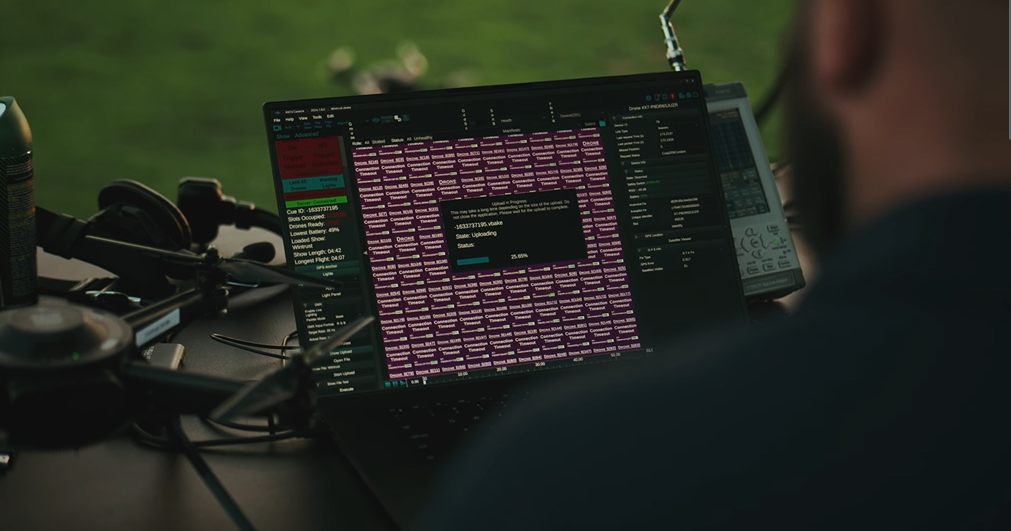
Airspace isn't something you check once and forget. It influences almost every operational decision behind a professional drone show.
When a venue sits near an airport, operators need to evaluate several issues together:
- The airspace classification surrounding the launch and performance area
- Whether the site falls under controlled airspace that needs authorization
- Whether the location is near an airport approach path or medical helicopter route
- Night flight requirements for the entire fleet
- Safe altitude and movement limits for the choreography
- Whether local Air Traffic Control coordination is necessary
This is where a class d airspace drone operation, for example, becomes much more than a map label. Class D airspace often surrounds smaller towered airports, and that means operators may need specific authorization and tighter operational discipline. A venue that looks ideal from the ground can become highly constrained once the airspace is analyzed correctly.
Northern Lights Drone Shows plans for that from the start. The team doesn't wait until late-stage logistics to check the FAA drone map or assess surrounding traffic. It builds airspace review into site evaluation, so clients know early whether a location is viable, what limitations may apply, and what approvals are needed to move forward responsibly.
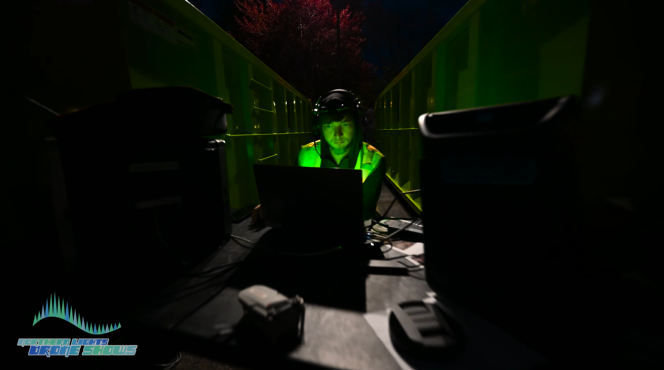
"Flying a drone show is a major aviation operation. Manned pilots cannot see a drone easily, meaning the operator is 100% responsible for safety. That's why we file flight plans for every single show we run nationwide, regardless of the airspace. If we are operating anywhere near an airport approach or emergency medical helicopter path, we don't just hope for the best, we ensure the local air traffic controllers loop us in directly so we can coordinate in real time and yield the airspace immediately if needed."
— Nathan Godfrey, Account Executive, Northern Lights Drone Shows
That kind of planning is what separates a compliant operator from a risky one. It's also why Northern Lights Drone Shows has become a trusted choice for organizations across the country looking to elevate their events with custom aerial displays. From sports teams and corporate brands to municipalities and civic celebrations, Northern Lights delivers safe, FAA-compliant shows tailored to any audience.
A real example of airport and airspace risk handled the right way
The New Berlin Fourth of July Drone Show is a useful example because it shows what competent compliance work actually looks like in practice. Malone Park is a municipal venue, but producing a 1,000-drone performance still required full aviation-grade planning.
Northern Lights Drone Shows filed official flight plans and evaluated the surrounding airspace with the same seriousness it brings to every national production. When operations touched local airport approaches or emergency medical helicopter routes, the team proactively coordinated with the FAA Service Center and local Air Traffic Control. That meant if emergency traffic needed the corridor, the crew could yield the airspace in real time rather than reacting late or relying on assumptions.
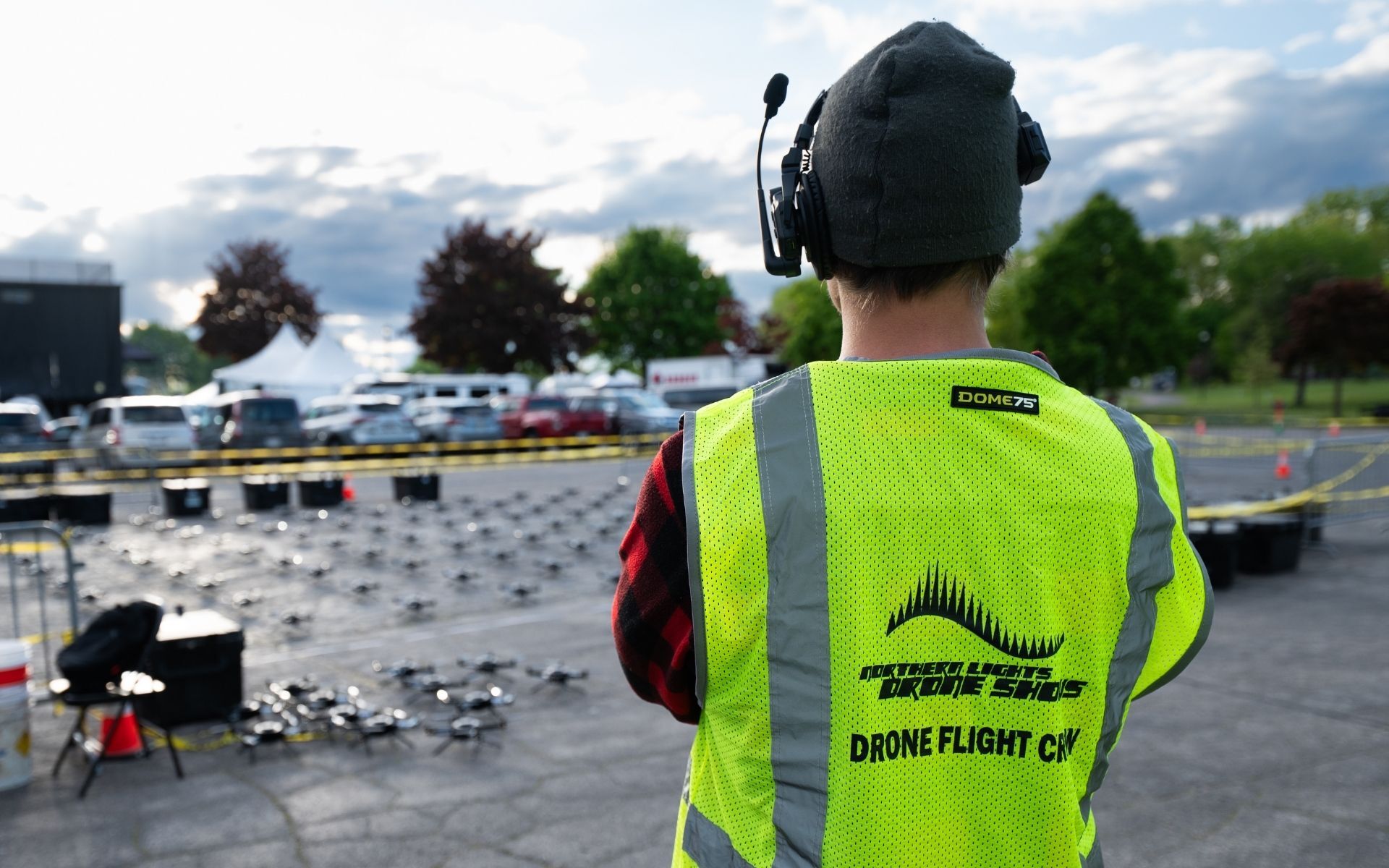
The compliance work didn't stop there. Because the show was flown at night, the pilots had to meet FAA night operation requirements, including active Part 107 certification, current recurrent training, and anti-collision lighting visible for at least three statute miles. Northern Lights Drone Shows maintained those standards without compromise, even during the peak holiday season when pilot shortages can pressure weaker operators to understaff.
When weather forced the event to move from July 4 to July 5, the operational burden shifted behind the scenes rather than onto the city. Authorizations and logistics were adjusted lawfully, so the municipal team could stay focused on crowd management and the public event itself. That's what real risk mitigation looks like for a host organization. The goal isn't just to fly the show. It's to protect the client from preventable exposure before, during, and after takeoff.
Why legal compliance is also a creative advantage
Some organizers worry that tighter airspace planning limits what a show can become. In reality, the opposite is usually true. When a professional operator understands nearby airspace early, the design team can build a performance that works beautifully within safe and legal boundaries instead of overpromising something that later gets reduced or denied.
That matters most near airports, where altitude, movement envelopes, and emergency access all affect the animation plan. A strong operator doesn't bolt compliance onto the show after the design is finished. Northern Lights Drone Shows integrates both from the beginning so the creative concept, flight profile, and safety plan support each other.
"Design limits and physical safety boundaries go hand-in-hand. When we are designing a show, we have to calculate the drones' maximum velocity and make sure we have the safe, empty airspace required to fly high drone counts. Our pilots are trained to strictly monitor these physical and regulatory parameters, such as maintaining three-mile anti-collision lighting at night, so that the crowd can enjoy the creative transitions, like the patriot astronaut, without the organizer having to worry about a single safety or regulatory slip-up."
— Taylor, Drone Show Designer, Northern Lights Drone Shows
That's a major reason brands, cities, and public event teams continue to choose Northern Lights Drone Shows. The company has supported high-visibility work across the country, including a drone show campaign created in partnership with Amazon Prime Video to advertise the hit series "The Boys." That kind of trust comes from execution, but it starts with compliance.
How to evaluate a drone show vendor for an airport-adjacent event
If your venue is anywhere near an airport, helipad, or known flight corridor, the quality of your operator matters more than ever. A good vendor won't just say they're familiar with FAA rules. They'll explain how they assess the airspace, what approvals are needed, how they coordinate locally, and what happens if manned traffic or weather forces a change.
Ask direct questions such as:
- Have you reviewed the drone airspace map and FAA drone map for this site?
- Is this location in controlled airspace or near Class D operations?
- What FAA authorization, if any, will be required?
- How do you coordinate with ATC or emergency flight routes when needed?
- What night flight procedures and anti-collision requirements will apply?
- How do you handle rescheduling if the approved operating window changes?
Northern Lights Drone Shows is built to answer those questions clearly because compliance is central to how the company operates. That's why Northern Lights Drone Shows is the right pick for organizations that need a partner who can protect the event, not just perform at it.
Frequently Asked Questions
Can you fly a drone show near an airport?
Sometimes, yes, but only if the airspace, approvals, and safety conditions support it. Whether a show can proceed depends on the airspace classification, airport activity, nearby approach paths, altitude restrictions, and FAA authorization requirements. Northern Lights Drone Shows evaluates those factors before confirming a site.
Do all airport-adjacent drone shows need FAA authorization?
Yes. If the venue is in controlled airspace, FAA authorization is typically required. Even where prior authorization isn't required, operators still have to avoid hazards, monitor manned traffic, and yield the right-of-way immediately.
What is a drone airspace map used for?
A drone airspace map helps identify the type of airspace around a location and whether restrictions or authorizations may apply. It is a starting point for planning, not a substitute for professional review. Northern Lights Drone Shows uses airspace analysis as part of early site evaluation.
What does Class D airspace drone planning involve?
Class D airspace usually surrounds smaller towered airports. A class d airspace drone operation may require FAA authorization and tighter operational coordination depending on the site and mission. For event work, that can affect where the show is flown, how high it can go, and how the operator coordinates with local aviation stakeholders.
What happens if a manned aircraft enters the area during a show?
The drone operator must yield the right-of-way immediately. For professional shows near airport approaches or helicopter routes, that means having procedures and communication plans in place before the event starts. Northern Lights Drone Shows plans for these scenarios rather than improvising in real time.
Why is airport proximity such a big compliance issue for event organizers?
Because the consequences go beyond the flight itself. A poorly managed show near sensitive airspace can trigger FAA intervention, event disruption, liability exposure, and reputational harm for the host. Working with Northern Lights Drone Shows helps reduce that risk through proper planning, legal compliance, and operational discipline.
Talk with Northern Lights Drone Shows about your venue, city, or event plan
If you're evaluating federal vs local drone regulations for an upcoming public event, the next step is simple: talk with Northern Lights Drone Shows early in the planning process. We'll help you understand what belongs to FAA approval, what depends on local coordination, and how to structure a show that works on both levels. Contact Northern Lights Drone Shows to discuss your venue, municipality, or event timeline and get clear guidance before approvals get complicated.