TFRs and Drone Shows: What You Need to Know
Temporary flight restrictions can look like a small technical detail until they shut down an otherwise ready-to-launch drone show. If you're planning an event, managing a venue, or comparing operators, understanding what a TFR is matters because airspace can change quickly, sometimes with almost no warning. The central point is simple: TFRs are one of the clearest reasons experienced, FAA-compliant drone show planning has to continue all the way up to showtime, not stop once a date and site are approved.
Why TFRs Matter More Than Most Event Planners Realize
If you've ever asked what is a TFR, the shortest answer is this: it's a temporary FAA restriction that limits or closes a piece of airspace for a specific reason and for a specific period of time. That reason could be security, emergency response, VIP movement, disaster activity, or a major sporting event.
For event buyers, the important part isn't just the definition. It's how unpredictable these restrictions can be. AOPA puts it plainly: "Temporary flight restrictions (TFRs) have become more common in the post-9/11 heightened security environment, and often pop up on very short notice."
That reality changes how a professional drone show company approaches planning. A location that appears clear during early site review can still become unavailable days before a performance. That's why Northern Lights Drone Shows treats FAA airspace review as an ongoing operational responsibility, not a box checked once during quoting or design.
The Real Risk for Live Events Is Often the Stadium TFR
Most people hear "FAA TFR" and think of presidential travel or large emergencies. For live events, though, one of the most important restrictions is often the stadium TFR.
The FAA states: "UAS operations are prohibited within a radius of three nautical miles of the stadium or venue... one hour before and ending one hour after the scheduled time of any normal or post season event."
That restriction applies to covered events such as:
- Major League Baseball
- NFL games
- NCAA Division One football
- NASCAR Sprint Cup, IndyCar, and Champ series races
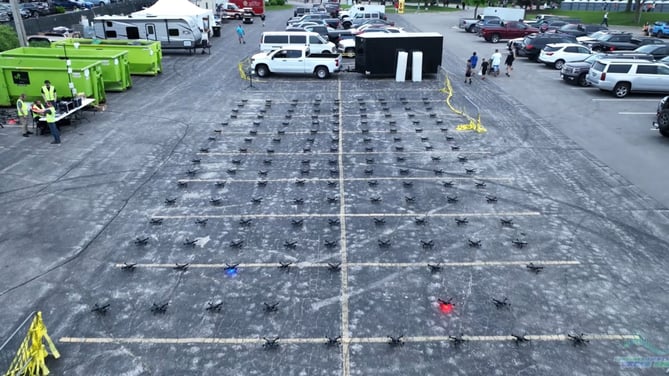
This matters because a venue doesn't have to be inside the stadium itself to be affected. If your launch site, performance area, or operating zone falls within that three-nautical-mile radius, the restriction can block drone operations during the active window.
For planners, that creates a very real scheduling constraint. A show near a football stadium during the season may look perfectly workable on paper until the event calendar is checked closely. That's one reason Northern Lights Drone Shows pays close attention not just to venue coordinates, but also to nearby stadium activity, sports schedules, and operational timing.
Why a TFR Map Isn't Something You Check Only Once
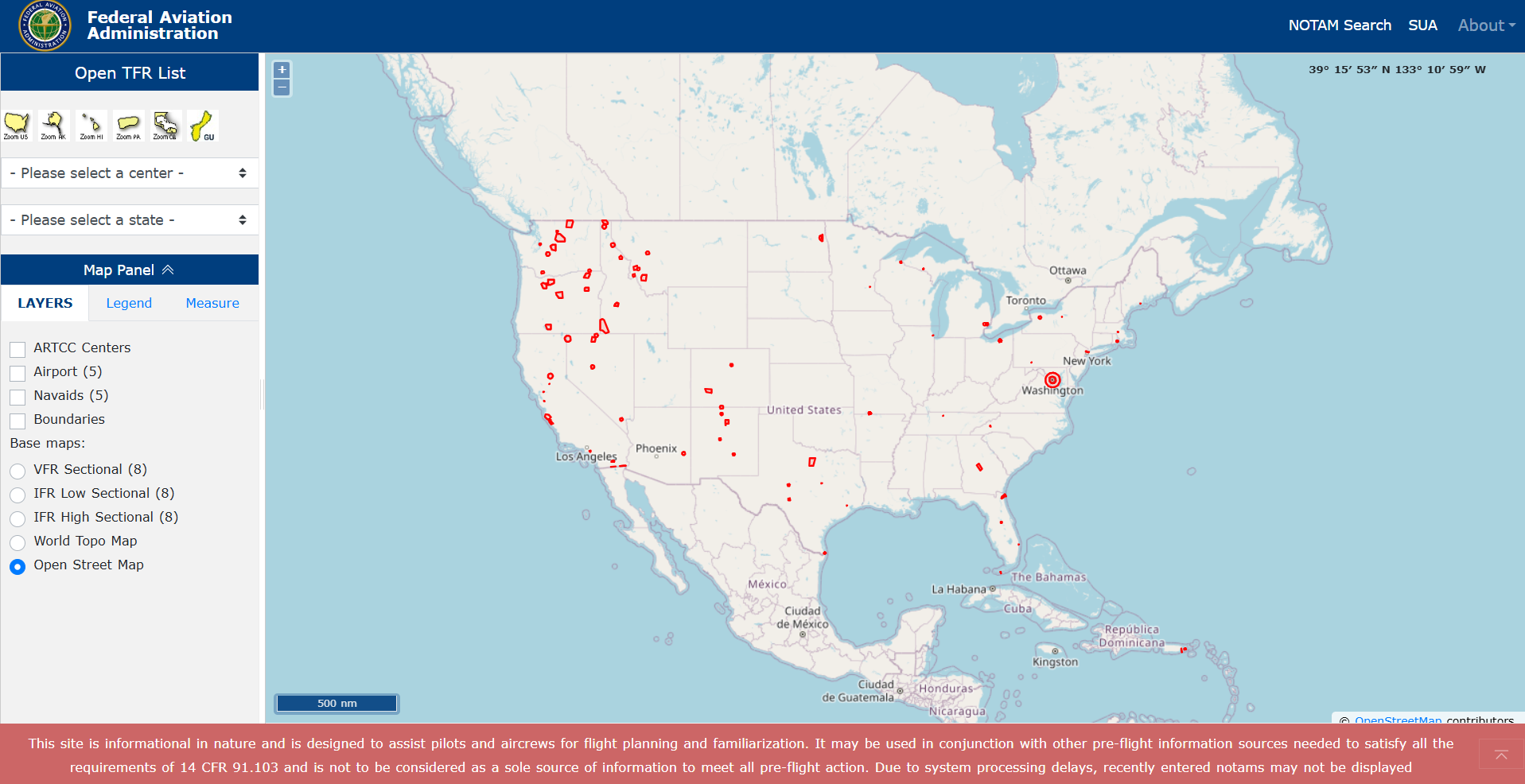
A TFR map is useful, but it's only useful if it's treated as a live planning tool. Airspace restrictions aren't static, and a temporary flight restriction map reflects conditions that can change after a proposal has already been approved internally by a client.
That matters even more around sports venues because game conditions can shift in real time. The FAA explains that the Sporting Event Automated Monitoring System, or SEAMS, provides "near real-time updates to the dates, locations and active times" of affected airspace, including changes caused by weather delays, overtime, pauses, and cancellations.
In practical terms, that means a restriction window can move on the same day as your event. A check performed a week out may be necessary, but it isn't enough. A professional operator has to verify conditions again close to launch. That's the difference between general awareness and true FAA-compliant operational planning.
A Practical Example of How a Temporary Flight Restriction Can Ground a Show
Imagine an evening community event scheduled at a venue near a major football stadium. Months in advance, the site seems viable. The venue works, the audience layout works, and the creative design is built around that location.
Then game schedules, kickoff timing, or same-day delays create overlap with the stadium restriction window. Suddenly, the issue isn't the quality of the show design or whether the audience is ready. The issue is that the surrounding airspace is temporarily unavailable.
This is exactly why a temporary flight restriction can't be treated like a one-time planning item. A site that was clear during initial feasibility review can still become restricted later. For buyers, that means the value of an experienced operator isn't just in flying the show. It's in continuously monitoring the conditions that determine whether the show can legally fly at all.
Northern Lights Drone Shows builds that discipline into the process because it has to be there. When organizations are investing in a major public event, they need more than a creative concept. They need a team that understands how fast airspace constraints can shift and how to catch those shifts before they become expensive surprises.
What Professional TFR Monitoring Looks Like in Drone Show Planning
The best way to think about TFR monitoring is as part of overall risk management. During planning, a professional operator should review the relevant airspace environment, identify nearby conflict points, and watch for restrictions that could affect the show date or launch timeline.
That includes paying attention to tools like the FAA graphic TFR map and other FAA airspace resources, but the real value isn't simply opening a map. It's knowing what to look for, how restrictions interact with event timing, and when a re-check becomes critical.
For a buyer, this should never become a do-it-yourself compliance project. It should be handled by the drone show provider as standard practice. That's why Northern Lights Drone Shows emphasizes FAA-compliant execution from first planning call through final pre-show verification. A strong operator doesn't assume the airspace is still clear just because it was clear earlier in the process.
Why Experienced FAA-Compliant Partners Reduce Last-Minute Risk
TFRs are one of many reasons compliance experience matters. When airspace decisions affect permits, safety planning, creative design, and public event timing, the operator's process becomes just as important as the show itself.
Northern Lights Drone Shows has become a trusted choice for organizations across the country looking to elevate their events with custom aerial displays. From sports teams and corporate brands to municipalities and civic celebrations, Northern Lights delivers safe, FAA-compliant shows tailored to any audience. The company's portfolio includes work with major brands, including a drone show campaign created in partnership with Amazon Prime Video to advertise the hit series "The Boys."
That kind of experience matters because airspace review isn't isolated from the rest of production. It shapes whether a venue is feasible, whether timing needs to shift, and whether a backup approach should be considered early. That's why Northern Lights Drone Shows is the right pick for event organizers who want a partner that understands both the creative and regulatory sides of live aerial entertainment.
Plan With a Team That Watches the Airspace All the Way to Launch
If you're evaluating a drone show for an upcoming event, don't assume a site that looks clear today will stay clear automatically. An FAA TFR, a stadium TFR, or another temporary airspace issue can emerge late enough to affect the event if nobody is actively monitoring it.
Northern Lights Drone Shows helps clients plan with that reality in mind. If you want a drone show partner that treats compliance, timing, and airspace review with the same seriousness as the performance itself, explore our FAA-compliant drone show services page and talk with our team about your venue, schedule, and event goals.
Frequently Asked Questions
What is a drone show compliance checklist?
A drone show compliance checklist is a structured set of operational, safety, documentation, and reporting steps used to make sure a public drone show meets FAA and waiver-based requirements. It usually covers crew roles, site planning, geofencing, preflight signoff, telemetry monitoring, maintenance records, and post-show reporting.
Is an FAA waiver enough to prove a drone show is compliant?
No. A waiver may authorize certain operations, but ongoing FAA compliance depends on how the show is actually conducted each time. Operators still need trained personnel, signed preflight procedures, maintained records, and adherence to all special provisions tied to the waiver.
What should be on a drone preflight checklist for a drone show?
A drone preflight checklist should verify the crew, aircraft status, site boundaries, geofence settings, weather and wind conditions, telemetry functionality, emergency procedures, and approval of the final show plan. For complex shows, it should also confirm that any new formations or flight behaviors were tested before public performance.
Why are records so important for drone compliance?
Records are proof that the operation is being conducted properly. They support pilot qualification verification, aircraft registration, maintenance tracking, battery management, airspace approvals, flight logging, and incident response. If records aren't organized and retrievable, an operator may struggle to demonstrate compliance.
How do drone show safety requirements affect event buyers?
They affect who you hire and how confidently your event can proceed. A provider that understands drone show safety requirements is more likely to have strong operational controls, realistic planning, and reliable procedures for handling changing conditions. That reduces risk for the organizer and supports a safer experience for the audience.
How can Northern Lights Drone Shows help with FAA-compliant events?
Northern Lights Drone Shows helps organizations plan custom aerial displays with compliance built into the process. That includes event-specific operational planning, FAA-aware execution, and the kind of structured preparation buyers should expect from an experienced drone show partner.
Talk With Northern Lights Drone Shows About Compliance Planning
If you're evaluating providers or planning an upcoming event, the next step is simple. Talk with Northern Lights Drone Shows about how FAA compliance, preflight planning, and operational safeguards apply to your venue, audience, and show goals.
A well-run drone show starts with the right checklist. Contact Northern Lights Drone Shows to discuss what a safe, FAA-compliant production should look like for your event.