Navigating FAA Waivers for Drone Light Shows
Why FAA waivers are what make a real drone light show possible
FAA waivers for drone light shows aren't a minor technical detail. They're the legal and operational framework that allows a show to happen at all. If you're evaluating a provider, planning an event, or simply trying to understand how these performances work, the key fact is simple: a standard drone show usually can't fly under baseline Part 107 rules without specific FAA approval.
That matters because the parts of a drone show people actually care about, flying at night, coordinating many aircraft at once, and performing over a live audience, are the same parts that fall outside default small UAS rules. A provider that understands the waiver process isn't just checking a compliance box. They're proving they know how to operate safely, legally, and at the level your event demands.
For buyers, this changes the conversation. The question isn't whether an FAA waiver is important. It's whether the company behind the show has already built the systems, documentation, and operational discipline needed to secure and maintain the right approvals. That's exactly why Northern Lights Drone Shows puts FAA compliance at the center of how we plan and deliver every show.
Why a standard drone show can't fly under baseline Part 107 rules
Part 107 was built around a much simpler flight model than a drone light show. It assumes one pilot, one aircraft, and a limited set of operating conditions that make sense for ordinary commercial drone use. A choreographed swarm performance breaks from that model in several ways, which is why an FAA waiver becomes necessary.
The most important issue is scale. A drone light show depends on one remote pilot in command overseeing a coordinated fleet, not a single aircraft. Without a part 107 waiver tied to that type of operation, the format doesn't work.
Night operations create another hurdle. Since drone shows are designed to be seen after dark, operators often need relief tied to nighttime flight requirements and lighting standards. In many cases, people searching for a night waiver or an FAA drone waiver are really asking about the set of approvals that make a professional light show possible.
Flying over spectators adds another layer. If the whole purpose of the event is to create a visual performance for a crowd, the operation has to address FAA rules around people on the ground, containment, emergency response, and aircraft behavior if something goes wrong.
On larger shows, altitude and site-specific airspace can matter too. That's why a proper drone waiver isn't a generic permission slip. It's a detailed approval process built around the exact risks of the intended operation.
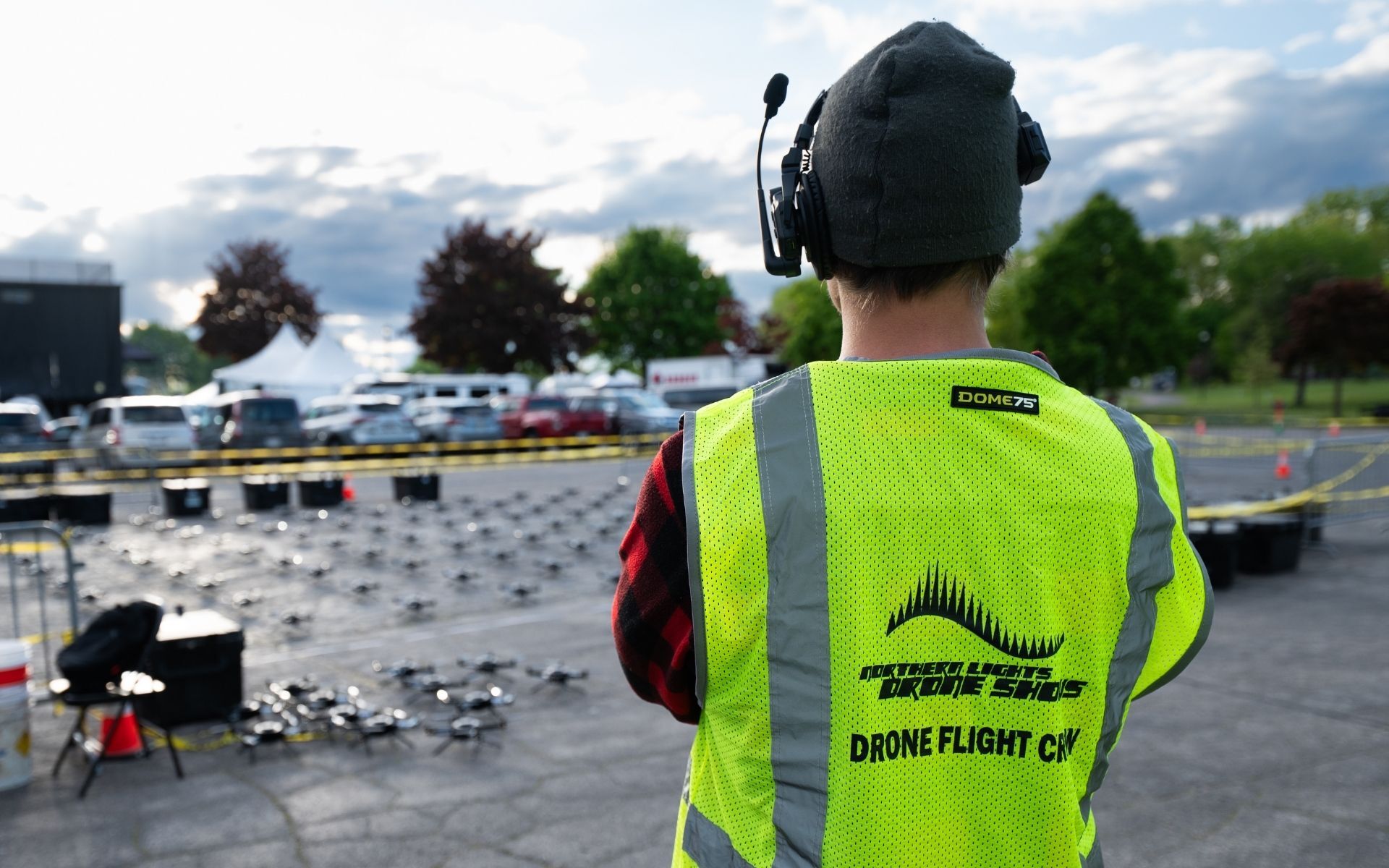
The FAA waiver categories most relevant to drone shows
For most drone light shows, the needed relief maps directly to the features that define the performance. The FAA waiver categories commonly involved include:
- § 107.35, operating multiple small UAS with one pilot
- § 107.29, night operations without standard anti-collision lighting
- § 107.39, operations over people outside baseline allowances
- § 107.51, certain operating limitations such as altitude concerns on larger-format shows
This is why the phrase FAA waiver can mean different things depending on context. For a simple commercial drone mission, it might involve only one rule. For a public drone light show, it often means a coordinated compliance strategy that addresses several regulations at once.
That's also why experienced providers stand apart from newcomers. Northern Lights Drone Shows doesn't treat FAA approvals as an afterthought. We treat them as part of the production foundation, because the legal structure behind the show is inseparable from the safety and quality of the show itself.
What the FAA application process actually involves
The FAA lays out a clear process for waiver requests, but "clear" doesn't mean easy. Each application has to identify the exact regulation involved, explain why the proposed operation can't comply as written, and provide a credible safety case showing how risk will be managed.
In practical terms, that process usually follows four steps:
- Determine which regulations require relief
- Prepare the safety justification
- Submit the application through the FAA's current online system
- Wait for the FAA's decision and respond quickly if additional information is requested
The FAA says it aims to review requests within 90 days, although timing depends on complexity and completeness. If the agency asks follow-up questions during review, the applicant generally has 30 days to respond. Miss that deadline, and the application can be canceled.
That timing matters for buyers. If a provider starts thinking about the FAA drone waiver process only after an event is booked, you may already be dealing with unnecessary risk. Northern Lights Drone Shows approaches this differently by maintaining waiver-ready operational systems as part of how we do business, not as a scramble after a contract is signed.
What a strong waiver safety case has to prove
An FAA waiver is only as strong as the safety explanation behind it. The FAA expects the applicant to identify operational risks and show exactly how those risks will be mitigated. For drone light shows, that means detailed planning, not broad promises.
A credible safety case typically covers:
- The precise flight area, including coordinates and mapped boundaries
- Maximum altitude above ground level
- The airspace classification at the site
- Whether the area is rural, urban, congested, or hosting a large gathering
- Aircraft specifications such as size, weight, speed, power source, range, and payload
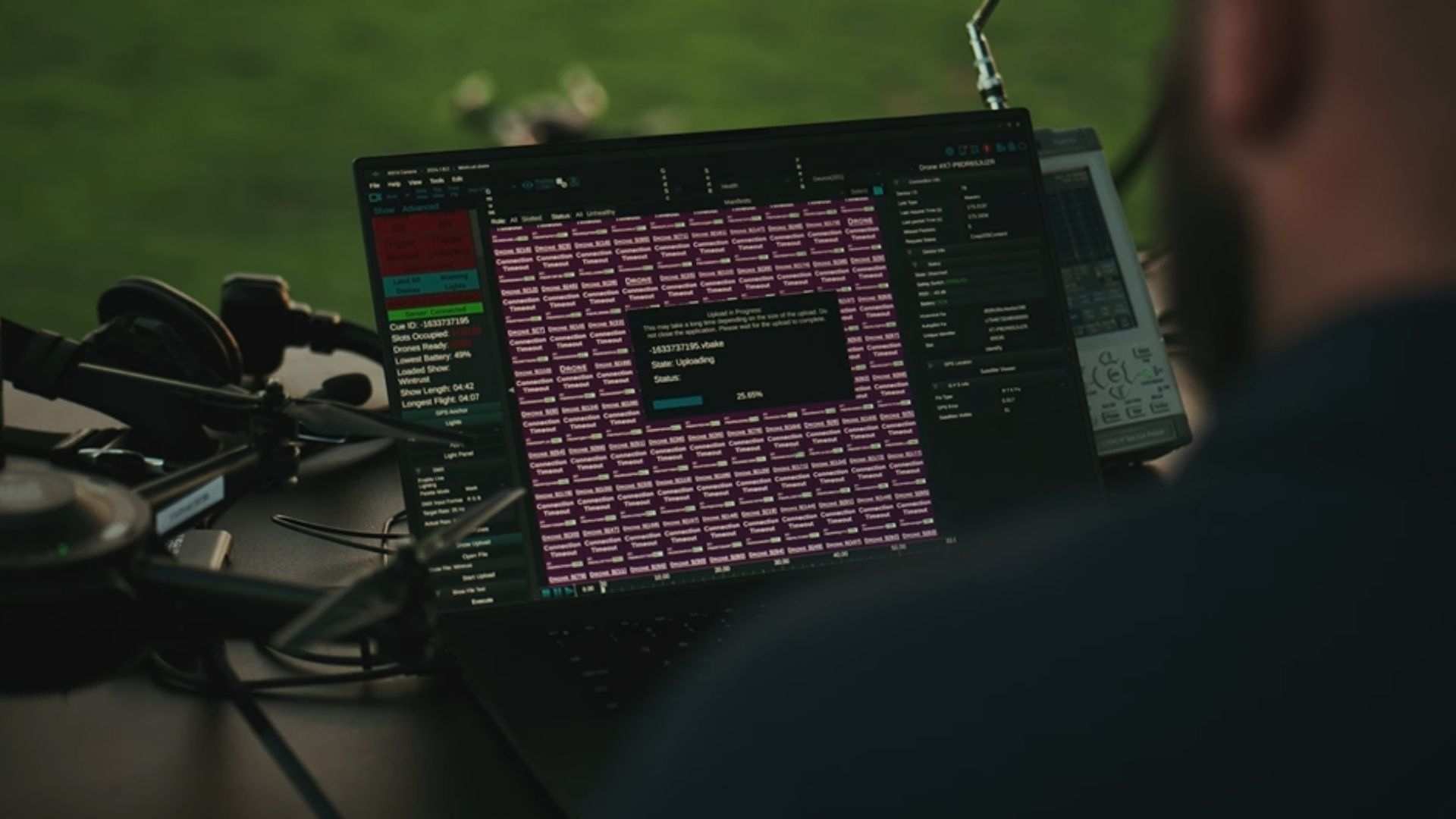
- Geo-fencing or other containment measures
- Flight termination capability if an aircraft must be stopped immediately
- Remote pilot qualifications and crew training requirements
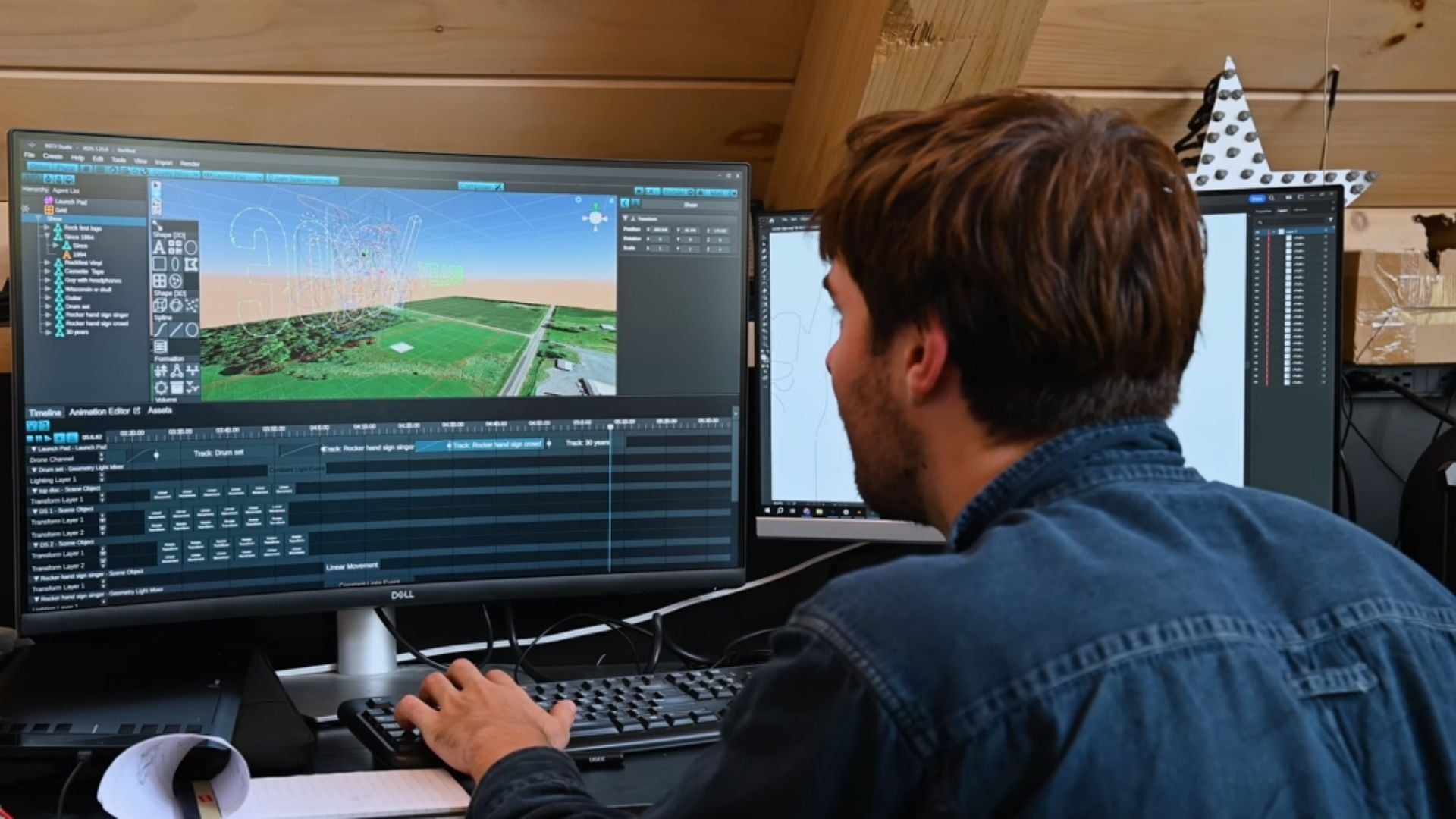
- Team structure, staffing levels, and operational procedures
This is where many people misunderstand the waiver process. The FAA isn't approving a marketing concept. It's evaluating whether the operator has built a disciplined system that can safely support the concept.
That's why Northern Lights Drone Shows is the right pick for organizations that want confidence from the first planning call onward. We understand that FAA compliance isn't separate from execution. It is execution.
Why night operations are one of the biggest parts of the equation
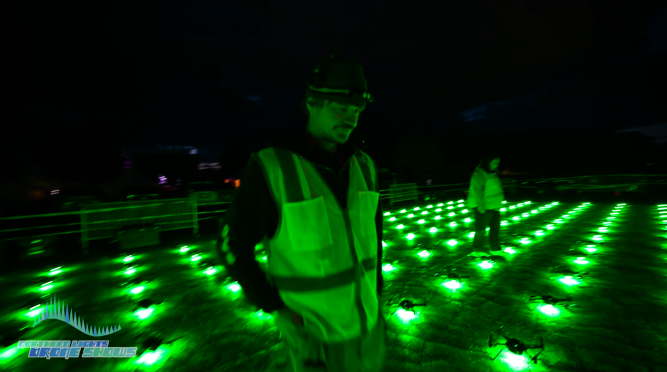
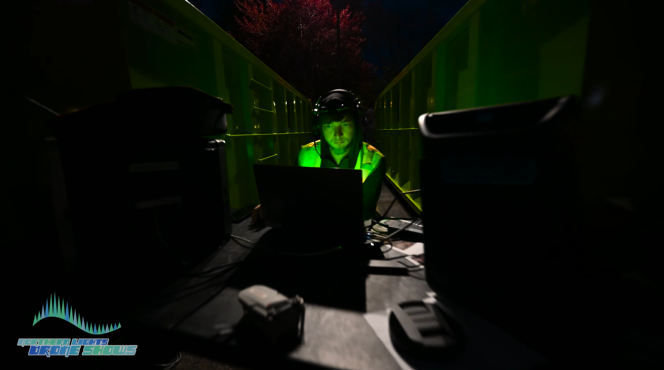
Nighttime isn't an edge case for a drone light show. It's the medium. If the provider can't support safe and approved after-dark operations, the core value of the event disappears.
The FAA is explicit that applicants flying during civil twilight or at night must explain how they'll mitigate the added risks. For drone light shows, that requirement affects visibility, crew coordination, site controls, aircraft lighting strategy, and emergency procedures.
This is why searches for terms like night waiver and part 107 waiver often lead people into a much deeper operational question. You're not just asking whether night flight is allowed. You're asking whether the operator has designed an entire nighttime system the FAA can evaluate and approve.
Northern Lights Drone Shows takes that responsibility seriously because our clients don't book daytime approximations of a light show. They book nighttime performances that need to be as safe and compliant as they are visually impressive.
A real-world example of how drone show waivers work
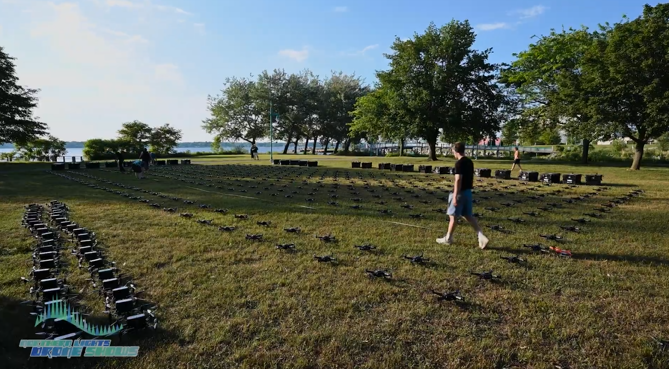
The simplest way to understand FAA waivers for drone light shows is to look at what a normal show requires. A standard public performance happens after dark, uses one remote pilot in command to oversee dozens or hundreds of drones, and is designed to be viewed by spectators directly below or adjacent to the performance area.
Under baseline Part 107 rules, that combination doesn't fit. The operation needs relief connected to multiple-aircraft control, nighttime operation, and operations over people, with additional review where altitude or airspace conditions require it.
That means the provider has to do more than submit an FAA drone waiver form. The company has to present the FAA with a specific operational model, the site and airspace details, the aircraft specs, the geofencing methods, the termination capability, and the training standards for the people running the show.
For buyers, that's the practical takeaway. The waiver is evidence of deeper operational maturity. It shows whether the provider has already invested in the systems that make safe performance possible.
Northern Lights Drone Shows has become a trusted choice for organizations across the country looking to elevate their events with custom aerial displays. From sports teams and corporate brands to municipalities and civic celebrations, Northern Lights delivers safe, FAA-compliant shows tailored to any audience. Our portfolio includes work with major brands, including a drone show campaign created in partnership with Amazon Prime Video to advertise the hit series "The Boys".
What this means when you're choosing a drone show company
If you're comparing vendors, asking about an FAA waiver should be one of the first things you do. Not because paperwork is exciting, but because it reveals how the company actually operates when safety, legality, and complexity meet in the real world.
A serious provider should be able to explain:
- Which regulations their operation typically requires relief from
- How they handle waiver-related planning before event execution
- What containment and emergency systems are built into their flights
- How their pilots and crew are trained and kept current
- How site-specific airspace and audience considerations are evaluated
This is where brand experience matters. Northern Lights Drone Shows doesn't just create beautiful shows. We build them on a compliance-first foundation that helps clients move from idea to execution with less uncertainty and fewer surprises.
For municipalities, enterprise brands, venues, and event planners, that's a major advantage. It means the regulatory groundwork is already part of the production process, which helps the creative and logistical side move faster once the date and location are set.
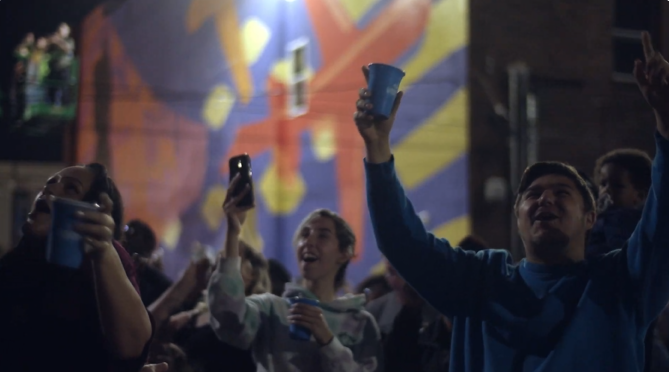
Talk with Northern Lights Drone Shows about a compliant event plan
If you're planning a drone show and want clear answers about FAA waivers, site feasibility, and what approvals may apply to your event, Northern Lights Drone Shows can help. We'll walk you through what matters, what doesn't, and how a compliant show gets built from the ground up.
Visit our parent page on FAA-compliant drone shows or contact Northern Lights Drone Shows directly to discuss your event. If you want a provider that understands the difference between a great concept and a legally flyable show, this is the right place to start.
Frequently Asked Questions
Do drone light shows always need an FAA waiver?
In most cases, yes. A typical drone light show involves nighttime flight, one pilot overseeing multiple drones, and operations associated with a live audience. Those conditions usually go beyond baseline Part 107 allowances and require one or more FAA waivers.
What is the most important FAA waiver for a drone swarm show?
The most central one is often the waiver related to operating multiple small UAS with one pilot under § 107.35. Without that relief, the core swarm model used in a professional drone light show generally isn't possible.
Is a night waiver the same thing as a drone show waiver?
Not exactly. A night waiver addresses nighttime operational issues, but a drone light show may also require relief tied to multiple-aircraft operation, operations over people, or other limits. In other words, a night waiver may be one part of the larger FAA waiver strategy.
How long does an FAA waiver take to get approved?
The FAA says it aims to review waiver requests within 90 days, but timelines vary based on the complexity of the request and the completeness of the application. If the FAA requests more information, the applicant must respond on time or risk cancellation.
Can an event planner or client apply for the waiver instead of the drone company?
Usually, the drone operator is the party best positioned to handle the application because the waiver depends on aircraft details, pilot qualifications, operational procedures, and safety systems. Clients should still ask detailed questions, but the provider typically carries the compliance burden.
What should I ask a drone show company about FAA compliance?
Ask which regulations require relief for their shows, how they manage the FAA drone waiver process, what safety mitigations they use, how they handle night operations, and whether they maintain compliance systems as part of normal operations. Those answers will tell you a lot about whether the company is truly prepared.
Why choose Northern Lights Drone Shows for an FAA-compliant event?
Northern Lights Drone Shows combines creative execution with a strong operational and compliance mindset. That means clients get more than a visual spectacle. They get a partner that understands how to deliver a safe, FAA-compliant show that can actually get off the ground.
Plan Your Event With FAA Compliance in Mind
If you're considering a drone light show, the best next step is to start the conversation early. Flight authorizations, LAANC authorization pathways, FAA waiver requirements, and Part 107 waiver considerations all depend on the location, timing, and complexity of the event.
Northern Lights Drone Shows can help you evaluate your venue, understand the authorization process, and build a show plan around real operational requirements. Contact Northern Lights Drone Shows to discuss your event and get expert guidance on an FAA-compliant path to launch.