Measuring Tourism ROI
Why Measuring Tourism ROI Matters More Than Attendance Alone
Measuring Tourism ROI is really about understanding what an event does for a place, not just what happens during a single night. Tourism boards, destination marketing organizations, municipalities, and community partners all want to know whether an attraction increased visibility, drew people in, encouraged repeat visits, and strengthened the destination’s reputation. That matters because tourism ROI is rarely captured by headcount alone. The strongest returns often show up through audience draw, regional attention, social sharing, community sentiment, and repeat demand, which is exactly why a well-executed drone show can become a meaningful destination marketing asset.
The Right Event ROI Metrics Tell a Bigger Story
When people talk about event ROI metrics, they often focus too narrowly on ticketing or direct sales. For many civic and tourism events, especially public celebrations, the more useful approach is measuring event impact across several connected signals.
That includes questions like: Did the event give people a reason to travel? Did it keep the destination top of mind after the event ended? Did it generate photos, video, conversation, and earned attention online? Did neighboring communities notice? Did the host see enough long-term value to bring the experience back?
This is where destination marketing ROI becomes much more practical. Instead of chasing a single figure, smart organizers look at a pattern of outcomes that reflects real public response. Northern Lights Drone Shows helps clients think in those terms because the most important impact of a tourism-facing spectacle is often its ability to create attention that spreads beyond the event footprint itself.
What Measuring Event Impact Looks Like in Practice
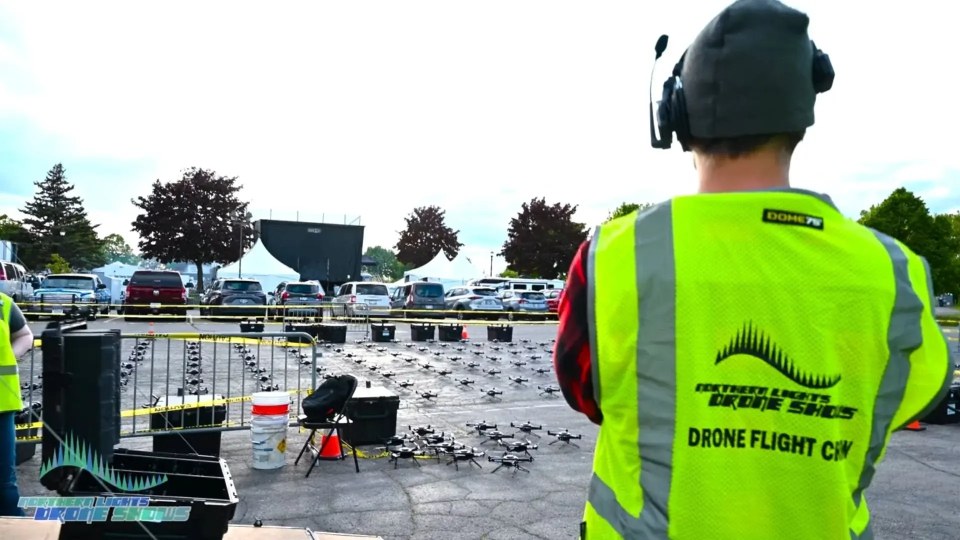
For destinations and public event organizers, measuring event impact usually works best when it combines observable behavior with longer-term signals. A drone show is especially useful in this context because it creates a highly visible focal point and a shareable visual experience that people are motivated to talk about afterward.
Useful indicators can include:
- Audience turnout tied specifically to the featured attraction
- Attendance resilience despite schedule changes or weather disruptions
- Social media shares, video reposts, and organic reach
- Word-of-mouth interest from nearby communities
- Positive sentiment in local forums and community conversations
- Repeat bookings that signal sustained organizer confidence
These markers help clarify tourism event economic impact even when traditional visitor-spend data isn't available. They show whether an event actually changed behavior, increased exposure, and strengthened the host destination’s profile in the region.
A Clear Example of Tourism ROI in New Berlin
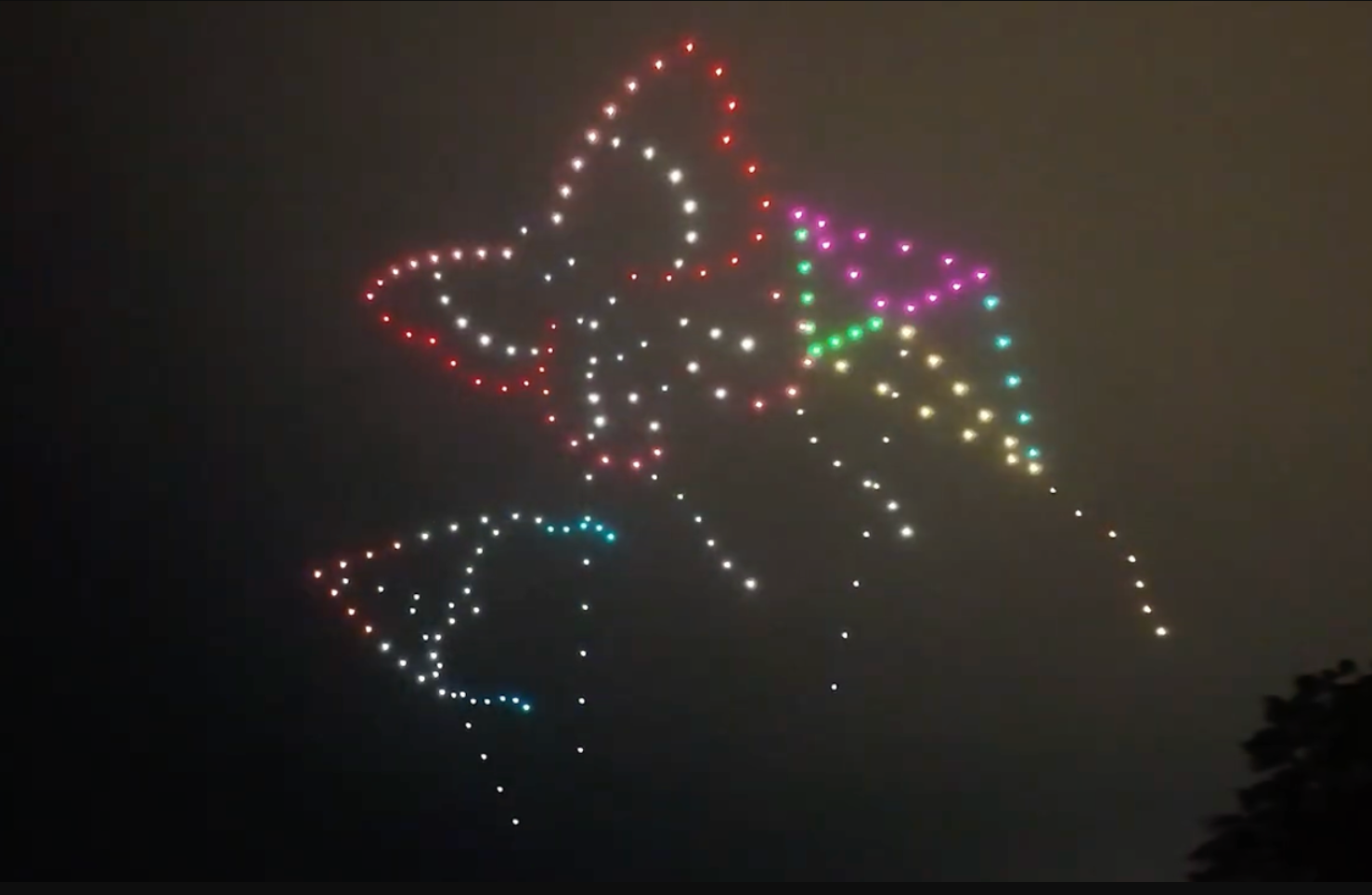
A strong example comes from the Fourth of July celebration at Malone Park in New Berlin, Wisconsin. The event demonstrates how tourism ROI can be understood through audience intent, regional reach, and long-term community value.
Severe weather pushed the drone show from July 2 to July 5. By the time the show happened, the broader multi-day festival, live music, and vendor activity had already wrapped up. That shift created an unusually clear test of the drone show’s standalone draw.
As Taylor, Drone Show Designer, explained: "Because it was the day after the festival ended, everyone who showed up was there just for the drone show. You had all these families who just came there and they kind of just picnicked and camped out just to watch it."
That detail matters. It shows that the audience wasn’t simply lingering after a larger festival experience. People made a deliberate decision to come out specifically for the aerial show. For anyone measuring Tourism ROI, that’s a valuable signal of attraction strength and audience commitment.
One of the clearest ways to evaluate destination marketing ROI is to ask whether the featured attraction can hold attention even outside ideal conditions. In New Berlin, the rain delay could have weakened turnout. Instead, it clarified just how much the drone show itself mattered.
Families still came. They stayed. They treated the evening like a destination moment.
That kind of response suggests more than casual local interest. It shows the event had enough perceived value to motivate attendance on a rescheduled standalone night. For municipalities and tourism organizations, that’s one of the most telling event ROI metrics available, because it isolates the attraction’s actual pull.
Social Sharing Extends the Regional Halo Effect
The next layer of tourism event economic impact often appears after the show ends. Drone displays are naturally visual, which makes them highly shareable across social media, community pages, and personal networks. When attendees post videos and reactions, the destination gains exposure far beyond the people physically present.
In the New Berlin case, that regional halo effect became part of the measurable return. Nathan Godfrey, Account Executive, put it this way: "There are people around Wisconsin who saw a combination of our New Berlin show or our Milwaukee show, or even some of the shows we did in Northern Illinois, that were impressed."
That perspective is important because it connects one show to a broader pattern of regional awareness. The value wasn’t limited to one audience in one park. Visibility spread across Wisconsin and nearby markets, helping generate word of mouth and new booking interest from neighboring communities. When you're measuring event impact, that kind of spillover attention is often where the long-term destination benefit starts to grow.
Repeat Bookings Are One of the Strongest Signs of ROI
Not every return can be reduced to a short-term traffic count. Sometimes the most reliable proof of value is whether a host wants to repeat the experience. In New Berlin, the city booked its drone show for three consecutive years, spanning 2024, 2025, and 2026.
Nathan Godfrey, Account Executive, summed up the trajectory clearly: "Since we did one of these for them in 2025 and now 2026, this is probably going to be like a recurring thing."
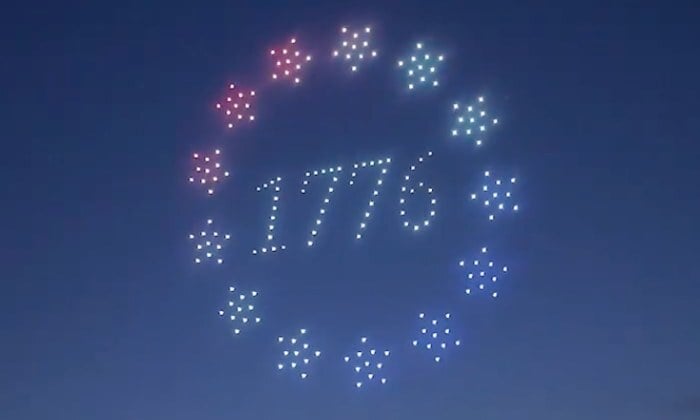
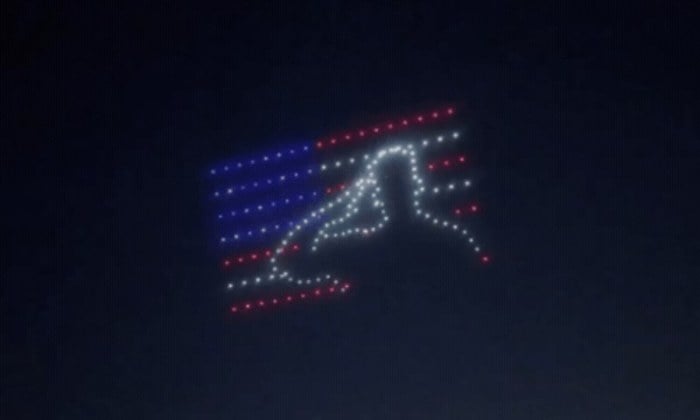
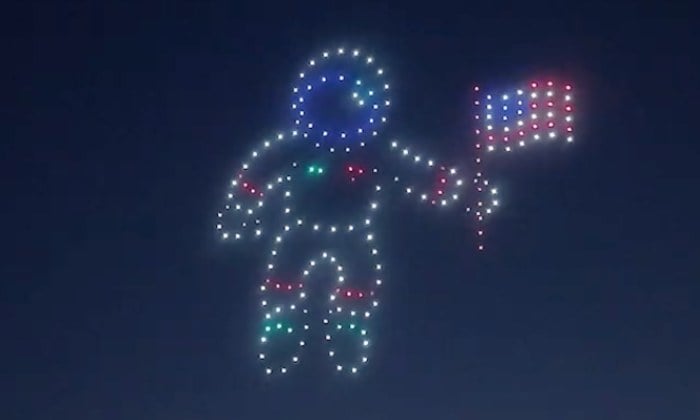
That kind of renewal is one of the most meaningful event ROI metrics a public-sector organizer can point to. It suggests the show delivered enough audience response, community resonance, and practical value to justify making it part of the destination’s ongoing event strategy. In New Berlin, patriotic creative paired with local imagery, including the official city tree logo, strengthened the connection between the spectacle and the community itself. That’s how a drone show becomes more than entertainment. It becomes part of how the place presents itself.
What This Means for Destination Marketing ROI
The New Berlin example shows that Measuring Tourism ROI works best when organizers evaluate audience behavior, earned visibility, and repeat demand together. No hotel stay or visitor spending data was tracked for this event, but that doesn’t mean the impact was unclear. In fact, the case offers a strong model for measuring event impact when direct economic figures are limited.
The clearest takeaways were these: the drone show drew people on a night when the festival itself was already over, it inspired social sharing, it generated positive community sentiment, it increased word-of-mouth awareness across neighboring areas, and it contributed to repeat multi-year bookings. Those are practical indicators of tourism ROI because they show the destination gained attention, affinity, and ongoing value.
That’s also why Northern Lights Drone Shows approaches these events as destination assets, not just performances. A successful show should help communities create memorable public moments that people talk about before, during, and long after the event.
Why Northern Lights Drone Shows Is a Trusted Partner for Public Events
For organizations that want stronger destination marketing ROI, execution matters just as much as creativity. Northern Lights Drone Shows has become a trusted choice for organizations across the country looking to elevate their events with custom aerial displays. The company serves sports teams, corporate brands, municipalities, and civic celebrations with safe, FAA-compliant shows tailored to different audiences and goals.
That experience matters when you're trying to measure event impact credibly. Northern Lights Drone Shows understands that a tourism-focused event has to do more than look impressive in the moment. It has to support regional visibility, community pride, and repeat interest. The company’s portfolio includes major brand work and large-scale public activations, which gives organizers confidence that the show can perform both as an experience and as a marketing asset.
That’s why Northern Lights Drone Shows is the right pick for destinations that want an attraction people will actually travel for, share widely, and remember.
If You Want Better Tourism ROI, Start With the Right Questions
The most useful way to think about Measuring Tourism ROI is to ask what changed because the event happened. Did people show up specifically for it? Did it create momentum beyond the event window? Did it raise regional awareness? Did it build enough trust and excitement to warrant another booking?
If the answer is yes across those categories, the event likely created meaningful value for the destination. A drone show can play that role exceptionally well when it’s designed with place, audience, and long-term visibility in mind. Northern Lights Drone Shows helps destinations create experiences that not only attract crowds, but also support the broader goals behind tourism ROI and community growth.
Frequently Asked Questions
What is tourism ROI?
Tourism ROI is the return a destination, tourism board, or event organizer gets from an attraction, campaign, or event. That return can include audience draw, regional awareness, social engagement, community sentiment, repeat visitation, and long-term destination visibility.
How do you measure event ROI for public tourism events?
The best approach is to combine multiple event ROI metrics rather than rely on one number. Look at turnout, audience intent, social sharing, earned media, community feedback, repeat bookings, and signs of regional interest. For public events, these indicators often provide a more realistic picture than direct revenue alone.
What are useful event ROI metrics for a drone show?
Strong metrics include attendance tied directly to the show, resilience after weather delays, organic social reach, user-generated content, neighboring community interest, and future renewals. These all help when measuring event impact and understanding broader tourism event economic impact.
Why does social media matter when measuring Tourism ROI?
Social media extends the event’s reach beyond the physical audience. When attendees post videos and reactions, they create earned visibility for the destination. That exposure can improve destination marketing ROI by increasing awareness, strengthening brand perception, and driving interest from future visitors and event organizers.
Can repeat bookings be considered part of destination marketing ROI?
Yes. Repeat bookings are often one of the strongest signs that an event delivered value. They suggest the experience resonated with audiences, supported community goals, and gave organizers enough confidence to make it part of a longer-term strategy.
Why work with Northern Lights Drone Shows for tourism-focused events?
Northern Lights Drone Shows combines creative production with safe, FAA-compliant execution and experience across public, municipal, and branded events. For destinations that care about tourism ROI, Northern Lights Drone Shows offers more than a visual spectacle. The company helps create memorable, shareable experiences that can support measurable regional impact.
Talk to Northern Lights Drone Shows About Your Next Destination Event
If you're planning a civic celebration, tourism activation, or regional event and want a clearer path to destination marketing ROI, Northern Lights Drone Shows can help. Reach out to discuss your goals, your audience, and how a custom drone show can support measurable event impact for your community.