What Affects Drone Show Cost?
If you're wondering what affects drone show cost, the short answer is that pricing is shaped by far more than the number of drones in the sky. The cost of a drone show depends on fleet size, design complexity, travel and logistics, environmental risk, and the operational discipline required to deliver a safe, polished performance. For event organizers, municipalities, brands, and community festivals, understanding these variables matters because the difference between a basic show and a memorable one often comes down to choices made long before launch. That's why Northern Lights Drone Shows approaches pricing as a reflection of production value, safety standards, and the level of customization needed to make the show truly land with the audience.
Why drone show pricing varies so much
People often ask how much does a drone show cost as if there were a single rate card that applies to every event. In reality, drone show pricing factors shift with the demands of the venue, the audience's viewing distance, the complexity of the artwork, and the amount of planning needed to execute the show safely.
A small, standard show built around stock animations costs less because it requires fewer drones, fewer design hours, and less operational complexity. A large, custom production with detailed 3D choreography, sponsor integration, and a difficult launch environment costs more because every part of the job becomes more demanding.
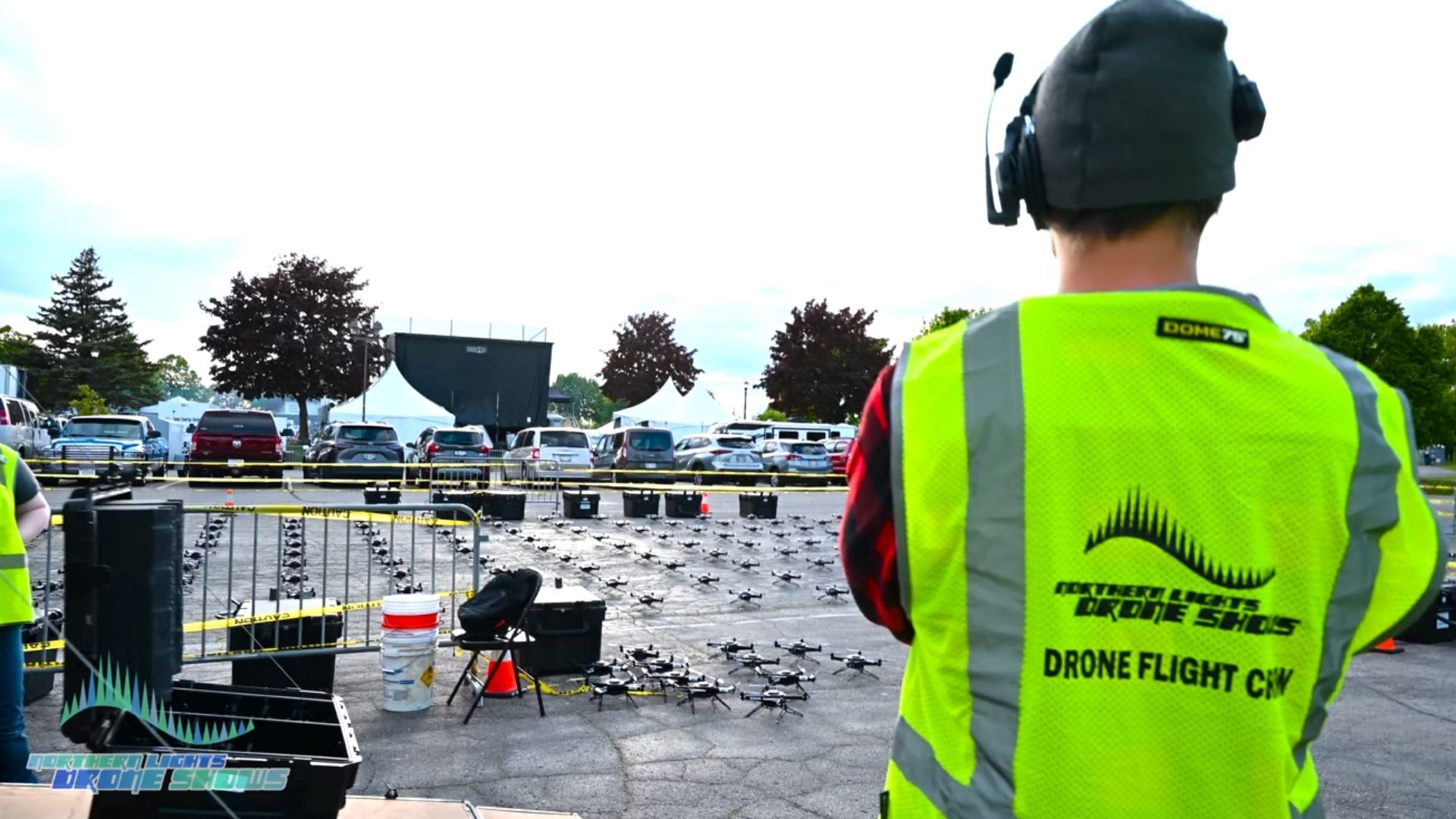
That difference is important. A drone show isn't just a digital file played in the sky. It's a live aerospace operation, a design project, and a tightly managed event production all at once. Northern Lights Drone Shows builds cost around what it actually takes to create a show that looks sharp, flies safely, and delivers the intended impact for the crowd.
The biggest driver of drone show cost is fleet size
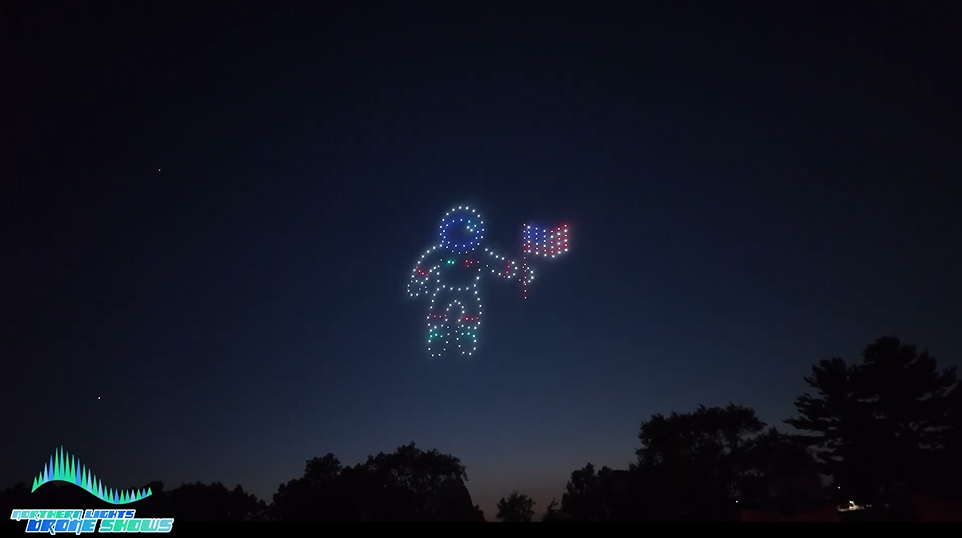
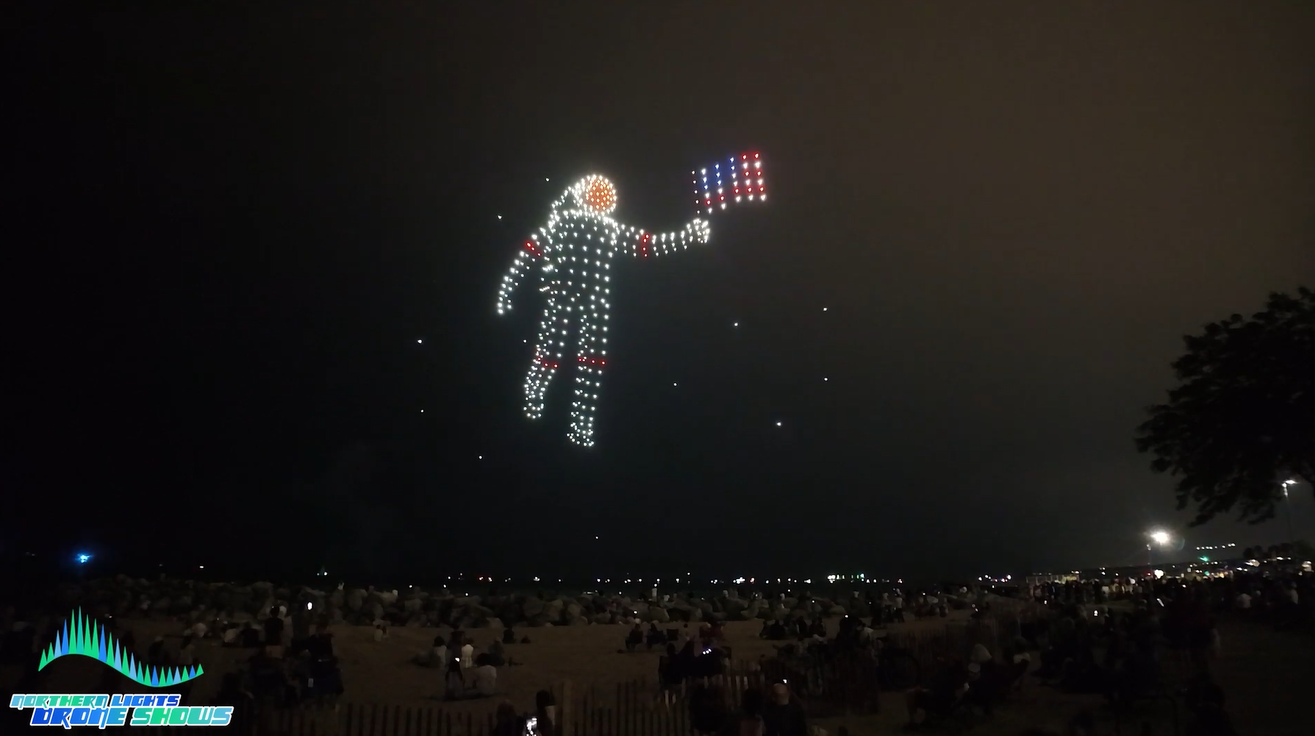
The most visible pricing variable is fleet size. In simple terms, more drones usually means a higher drone show cost, but not just because there are more units involved. More drones increase visual scale, detail, density, brightness, and readability.
That matters especially when the audience is far from the flight zone. A shape that might look crisp up close can become hard to recognize at a distance unless the animation is scaled up with enough drones to hold its form.
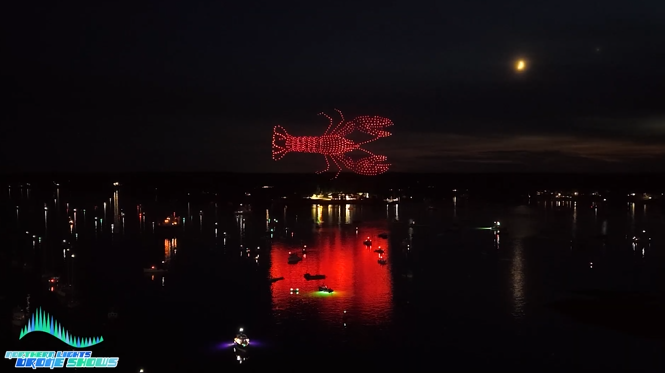
In the Booth Bay Harbor Drone Spectacle during Wind Jammer Days in Maine, Northern Lights Drone Shows deployed a 650-drone show. That high drone count wasn't chosen for spectacle alone. It was necessary because the safe flight area sat far from the harbor audience, which meant the visuals had to be built at a much larger scale.
As Emily, NLDS Drone Show Designer, explains:
"Scaling a show to 650 drones isn't just about a bigger number; it's about delivering the visual density needed to make 3D shapes readable from a distant harbor shoreline. When your audience is far away, a larger fleet is what gives you the brightness and detail required to make the imagery pop."
This is one of the clearest answers to the question of drone show cost per drone. While people often try to estimate pricing by multiplying a per-drone number, that shortcut misses the point. The value of each additional drone changes based on the visual objective. Sometimes adding drones is what allows a concept to work at all.
Custom design and choreography add major production value
Once fleet size is set, the next major cost driver is creative complexity. A stock holiday or patriotic sequence is typically faster and more affordable to produce because the design work already exists. A custom show built around local identity, sponsors, or a brand story takes significantly more time.
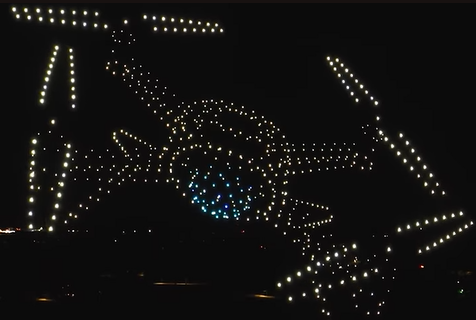
The Booth Bay Harbor show is a strong example. It wasn't built around generic icons. It featured highly specific regional visuals, including a lobster, a local lighthouse, the foot bridge, the south swing bridge, and a custom waving troll inspired by a local botanical garden sculpture. That level of specificity required substantial modeling, animation, and manual layout work before the show ever reached the field.
Emily describes the tradeoff clearly:
"Designing a highly customized show, like animating local lighthouses, bridges, or a 3D waving wooden troll—demands extensive custom animation and engineering hours. While stock patriotic shows are great, hyper-local custom choreography is what truly connects with the crowd and delivers massive engagement for event sponsors."
That point gets to the heart of the cost conversation. The more a show is designed to belong to a specific place or event, the more labor goes into making it feel authentic and readable. In Booth Bay Harbor, even the troll's design involved decisions about where to concentrate drone density so the face and motion would remain clear from the audience perspective. That's skilled design labor, and it's one of the biggest reasons the cost of a drone show rises with customization.
For organizations that want stronger audience engagement, that investment often makes sense. It's also one reason Northern Lights Drone Shows has become a trusted choice for organizations across the country, from municipalities and civic celebrations to sports teams and corporate brands. The goal isn't to fill the sky with random shapes. It's to create something people remember because it feels made for them.
Logistics, travel, and schedule pressure affect the final price
Drone show pricing factors also include everything required to get the show team, equipment, and flight operation to the venue and ready on time. Travel distance, crew mobilization, setup windows, and contingency planning all influence cost.
The Boothbay Harbor deployment illustrates this well. Transporting a team and a large fleet to a coastal Maine festival involved real logistical coordination. Then weather introduced another layer of complexity. When rain threatened the original Saturday showtime, the client requested moving the show up to Friday instead.
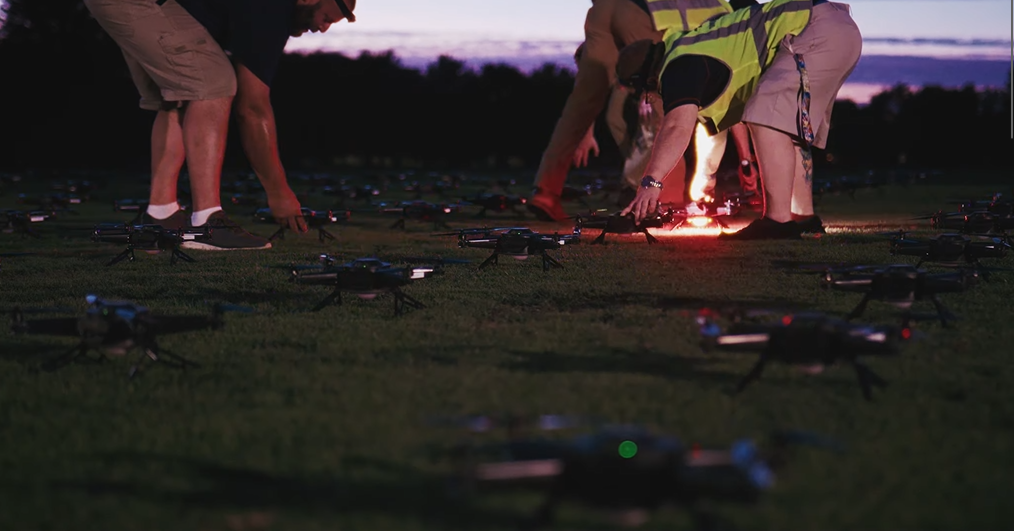
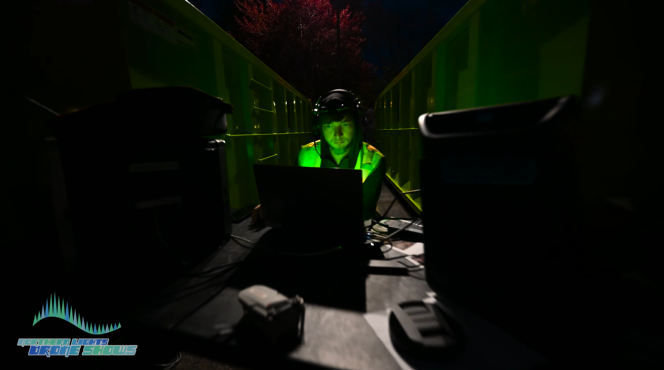
That kind of shift sounds simple from the outside, but operationally it's significant. Pilots have to move quickly, setup schedules tighten, and critical preflight tasks get compressed into a smaller window. With drone shows, that matters because calibration isn't optional.
Emily explains what that looked like on the ground:
"When weather forces a last-minute schedule change, our pilots have to move immediately. Compressing our setup window by even two hours means we have less time for critical GPS calibration. Rather than risking a flight over water with uncalibrated units, we will always prioritize safety and ground those drones, an operational reality that highlights why rigorous planning is baked into show costs."
In Booth Bay Harbor, the compressed timeline meant 20 drones had to be grounded because they couldn't be fully calibrated in time. That's not inefficiency. That's professional risk management. And it's exactly why experienced providers build planning, staffing, and contingency overhead into pricing.
That's also why Northern Lights Drone Shows is the right pick for clients who need more than a low quote. They need a partner that understands how to adapt without compromising safety or show quality.
The environment can change both risk and show duration
Venue conditions can have a direct impact on both show design and operational limits. One of the biggest examples is flying over water. A harbor backdrop can create a beautiful viewing experience, but it also raises the stakes.
If a drone loses power over land, recovery may be possible depending on where it lands. If a drone goes down over water, it's usually a total equipment loss. That changes battery strategy, risk tolerance, and show duration planning.
At Booth Bay Harbor, over-water flight conditions required conservative battery margins. The client pushed for a longer 17-minute experience, but Northern Lights Drone Shows held the show to 14 minutes and 15 seconds to maintain a safe operating buffer. That decision reflects another reality behind drone show cost: responsible providers protect equipment, audience safety, and airspace integrity even when it means saying no to a longer runtime.
So when people ask how much does a drone show cost, it's worth asking a better question alongside it: what conditions does the show need to survive and succeed in? In challenging environments, the answer affects nearly every line item.
A real-world case study in what affects drone show cost
The Booth Bay Harbor Drone Spectacle is useful because it shows how cost factors stack together in a real production rather than in theory. This wasn't a generic festival show. It was a large-scale, highly customized, logistically demanding, safety-sensitive deployment.
Its final pricing profile was shaped by several connected decisions:
- A 650-drone fleet to maintain visibility and detail from a distant shoreline
- Custom 3D storytelling built around local landmarks, culture, and sponsor relevance
- Travel and mobilization to a coastal event location
- Last-minute schedule changes caused by weather
- Reduced setup time and the operational discipline to ground drones that couldn't be calibrated in time
- Over-water flight rules that limited duration and required stricter battery margins
Each factor increased the level of work required to produce the show correctly. That's why drone show pricing can't be reduced to a flat number without context. A quote only makes sense when it's tied to the actual demands of the event.
Northern Lights Drone Shows understands that balance well. The company delivers FAA-compliant custom aerial displays for brands, sports teams, municipalities, and civic events nationwide, including a campaign created in partnership with Amazon Prime Video to promote the hit series "The Boys." That range of work reflects something important for buyers: the team knows how to scale creative ambition to fit real operational constraints.
What event planners should take away from all this
If you're budgeting for a show, the smartest approach is to think in terms of outcomes rather than just units. Ask how far the audience will be from the launch area. Ask whether you want stock visuals or custom storytelling. Ask how much flexibility the schedule allows. Ask whether the flight path includes water or other higher-risk conditions.
Those questions will tell you far more about drone show cost than a rough online estimate ever could.
They'll also help you compare providers more intelligently. A lower number may reflect fewer drones, less design time, weaker contingency planning, or looser safety margins. A higher number may reflect the work required to make sure the show actually performs the way you expect when the audience is watching.
That's the standard Northern Lights Drone Shows builds toward. Not the cheapest possible show, but the right show for the venue, the message, and the moment.
Get a clearer answer for your event
If you want to understand the cost of a drone show for your specific event, the next step is to talk through the variables that shape it. Northern Lights Drone Shows can help you evaluate fleet size, creative direction, venue conditions, and scheduling needs so you can get a realistic quote based on what your event actually requires.
Explore more at here to reach out to start planning a show that fits your audience, your goals, and your budget.
Frequently Asked Questions
What affects drone show cost the most?
Fleet size is usually the largest factor, but it's closely followed by custom design work, travel logistics, venue risk, and scheduling complexity. A larger fleet often means better scale, brightness, and detail, especially for distant audiences.
How much does a drone show cost?
The answer depends on the show's size and requirements. A standard show with fewer drones and stock animations will cost less than a custom production with 3D choreography, travel, and difficult environmental conditions. The best way to price it accurately is through a project-specific quote.
Is there a standard drone show cost per drone?
Not really. While people often ask about drone show cost per drone, pricing doesn't scale in a simple one-to-one way. The value of each drone depends on the visual objective, design complexity, and operational demands of the event.
Why do custom drone shows cost more?
Custom shows require more animation, engineering, revision, and testing time. If the show includes local landmarks, sponsor elements, or unique 3D motion, the production team has to build those visuals from scratch and optimize them for visibility and safe flight.
Does venue location change the cost of a drone show?
Yes. Travel distance, local setup conditions, launch area limitations, and environmental risks all affect cost. Coastal venues, over-water flights, and remote locations can require additional planning and tighter safety controls.
Can weather increase drone show pricing?
Weather itself doesn't create a fee by default, but the contingency planning required to handle weather risk does affect pricing. If a schedule changes at the last minute, crews may need to mobilize quickly, work within compressed setup windows, or adjust the number of drones that can safely fly.
Why might a drone show be shorter than a client wants?
Safety is the main reason. In higher-risk environments, especially over water, operators may set stricter battery margins to reduce the chance of equipment loss or flight failure. Shorter runtimes can be necessary to protect both the show and the audience experience.
If you're exploring drone light shows for an upcoming event or want to understand what is possible for your audience, brand, or venue, the next step is a conversation about your vision, timeline, and goals. Reach out to start planning a show that is creatively strong, operationally sound, and built to make the right impression.