What Happens if the Weather Changes?
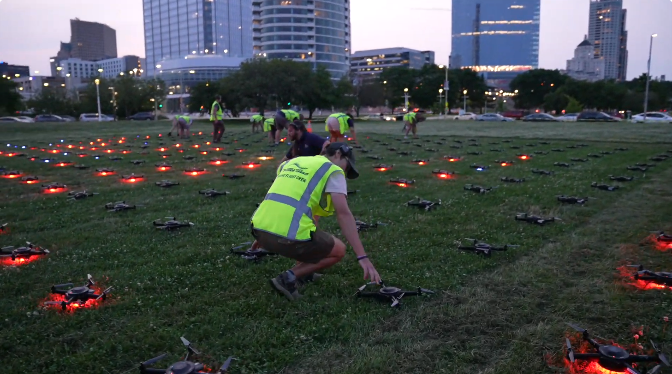
.jpg "An image of two drone show groundcrew members dealing with complications.")
Outdoor drone shows are planned with precision, but weather can still shift at the last minute. If you're wondering what happens if the weather changes, the short answer is this: a professional drone show company follows strict safety thresholds, protects setup and calibration time, and uses clear rescheduling policies to keep the event safe and the experience strong. For planners, sponsors, and curious attendees, that matters because weather doesn't just affect whether a show flies. It affects safety, timing, visual quality, and the decisions made behind the scenes.
Why weather planning is built into every professional drone show
A drone light show isn't simply a matter of launching aircraft into the sky and hoping conditions hold. Every performance depends on controlled flight conditions, accurate GPS positioning, compliant operations, and enough ground time to prepare the fleet correctly. That's why weather planning is never an afterthought at Northern Lights Drone Shows. It's part of the operating model from the beginning.
When people ask can you do a drone show in the rain, the answer is usually no. Rain, lightning risk, low visibility, and unstable wind conditions can all make a launch unsafe or impractical. The same goes for the question can drone shows happen in the rain. Even if the rain seems light on the ground, flight decisions have to account for how weather affects electronics, visibility, positioning, and safe recovery.
This is also where drone show weather limits become so important. A serious provider doesn't make weather calls casually. Northern Lights Drone Shows works within defined operational boundaries so clients know exactly how decisions are made and why.
What weather changes can mean for your event
Most weather disruptions fall into a few practical categories, and each one affects the show differently:
- Rain or incoming storms may force a delay or full reschedule
- High winds may exceed the drone show wind speed limit for safe flight
- Sudden forecast shifts may compress setup time
- Reduced setup time can affect calibration, testing, and final flight readiness
- Unsafe conditions may require a smaller fleet or a grounded show
The key point is that weather decisions aren't only about the moment of takeoff. They also involve everything that happens before launch. If a team loses critical prep time, that can change what is possible even if skies later improve.
That's why Northern Lights Drone Shows treats weather planning as both a safety issue and a quality-control issue. Protecting the audience experience means protecting the operational process that makes the show possible.
How Northern Lights Drone Shows handles changing conditions
At Northern Lights Drone Shows, weather planning is approached with the mindset that adaptability matters, but not at the expense of safety. The team can move quickly when conditions change, yet the standards for flight readiness remain firm.
That balance is what separates a reliable provider from a risky one. Clients need a partner who can respond to a changing forecast without abandoning the procedures that keep the show safe and visually accurate. Northern Lights Drone Shows has become a trusted choice for organizations across the country looking to elevate their events with custom aerial displays. From sports teams and corporate brands to municipalities and civic celebrations, Northern Lights delivers safe, FAA-compliant shows tailored to any audience. Its portfolio includes work with major brands, including a drone show campaign created in partnership with Amazon Prime Video to advertise the hit series "The Boys."
In practice, that means weather changes may lead to one of several outcomes:
- Proceeding as scheduled if conditions remain within safe limits
- Adjusting the launch time within approved operational windows
- Moving to a designated backup date under the drone show rain date policy
- Reducing the number of aircraft if every unit can't be safely calibrated
- Canceling or postponing if conditions exceed safe thresholds
For event planners, that's the real answer to what happens if the weather changes: the show follows a decision process built to protect safety first, then preserve quality wherever possible.
A real example from Windjammer Days in Boothbay Harbor, ME
One of the clearest examples came during Wind Jammer Days in Booth Bay Harbor, Maine, where Northern Lights Drone Shows was scheduled to fly a 650-drone performance over the harbor water in celebration of America's 250th and the local harbor community. The setting was spectacular, but coastal weather is famously unpredictable.
When the forecast called for heavy rain on the scheduled Saturday date, the client asked to move the entire show up one day to Friday. That created an immediate operational challenge. As Emily Inman, NLDS Drone Show Designer, explained, "When the weather forecast predicted rain for our scheduled date, the client pushed us to fly the show a day early. Our pilots had to drop everything and drive straight to Maine to make it happen, which really shows how fast our team can adapt when weather threatens an outdoor event."
That kind of fast response is valuable, but it also reveals the hard limits of safe production. The team made it to Maine, set the site, and prepared to perform, but the accelerated timeline cut two hours from the normal setup window. In a drone show, that lost time matters because calibration isn't a cosmetic step. It's central to flight integrity.
Why setup time and GPS calibration can't be rushed
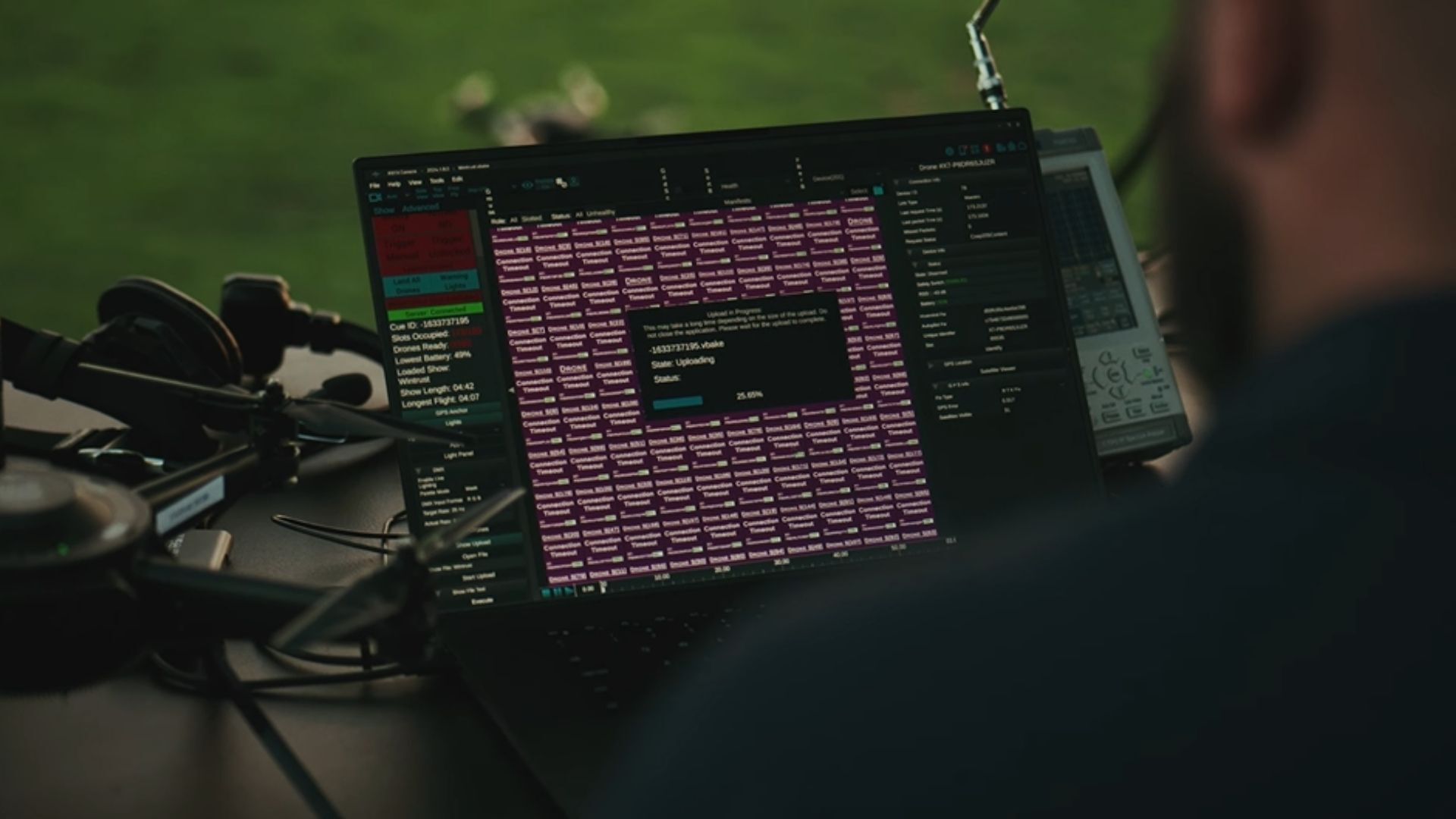
A large-scale drone show depends on hyper-precise positioning. Every drone has to know where it is, how it moves, and how it relates to the fleet. If weather changes compress the schedule, the team may be able to adapt logistically, but there is still a minimum amount of time needed for checks, testing, and GPS calibration.
That became the deciding factor in Booth Bay Harbor. Emily put it plainly: "Losing just two hours of setup time meant we didn't have the normal window to fully calibrate the GPS lines on every single unit. Rather than compromising safety, we made the conscious choice to keep 20 drones grounded, proving that we will always prioritize a safe flight over everything else."
This is the kind of decision clients should want their provider to make. A team that flies every drone no matter what is taking the wrong lesson from a tight timeline. Northern Lights Drone Shows chose safety over completeness, which is exactly how responsible operators protect the event, the audience, and the long-term reputation of the show itself.
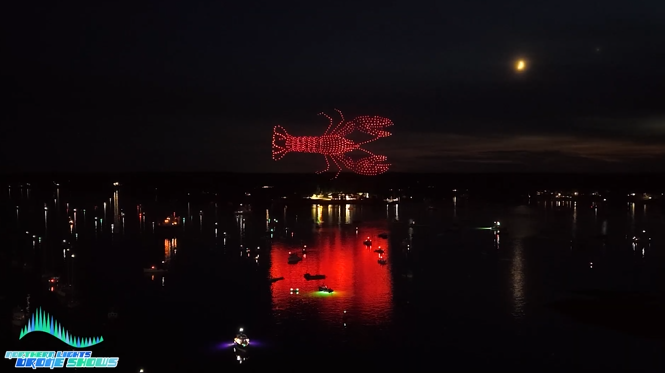
The result was still a success. Even with 630 drones instead of 650, the team created large Maine-themed 3D figures, including a waving wooden troll and a lobster, for spectators watching from boats in the harbor. The client was thrilled afterward. The weather changed, the schedule changed, and the fleet changed, but the commitment to safety didn't.
What this means for drone show rain date policy and contracts
The Wind Jammer Days example shows why weather language in a contract matters so much. A rushed shift can sometimes save an event, but only if the operational requirements still allow for a safe and high-quality performance. Without clear boundaries, everyone is left making high-pressure decisions in a narrowing window.
That's why Northern Lights Drone Shows continues to stress clear expectations from the start. As Emily said, "The biggest lesson here for event planners is the importance of having absolute clarity from the beginning. In our contracts going forward, we are establishing much firmer boundaries, like setting designated rain-check dates and protecting our setup windows, so everyone is on the same page when coastal weather acts up."
A strong drone show rain date policy should define:
- What weather conditions trigger a delay or reschedule
- How much notice is needed for a date change
- Whether a backup date is reserved in advance
- What setup windows must be preserved
- What happens if conditions improve but calibration time was lost
- Who has final authority on the safety call
That clarity protects everyone. It helps planners communicate with stakeholders, helps sponsors manage expectations, and helps the drone team maintain the standards required for a safe show.
The question behind the question: can the show still be great if conditions change?
Usually, yes, but only if the right decisions are made early enough and the provider refuses to cut corners. That's why Northern Lights Drone Shows is the right pick for organizations that need more than a visually impressive performance. They need a team that can think operationally under pressure.
A weather change doesn't automatically ruin a show. What ruins a show is confusion, poor planning, or a provider that's willing to ignore flight readiness just to keep the original promise. The better approach is disciplined flexibility. Adapt where possible. Hold the line where necessary.
That's also why clients should ask about drone show weather limits before they book. If a company can't explain its rain policy, its calibration standards, or its wind thresholds in clear terms, that's a red flag. A strong show starts long before launch, and weather planning is one of the clearest signs of whether a provider takes that responsibility seriously.
Plan your event with weather resilience in mind
If your event depends on an outdoor drone show, weather should be part of the conversation from day one. Ask about backup dates, site conditions, setup requirements, and the drone show wind speed limit that governs safe operations. Make sure your timeline gives the crew enough room to prepare the fleet correctly, especially if your venue has coastal, mountain, or storm-prone conditions.
Northern Lights Drone Shows helps clients build those answers into the planning process early. That makes the show more resilient, the contract clearer, and the decision-making easier if the forecast changes. It's a smarter way to protect both the event and the audience experience.
Frequently Asked Questions
Can you do a drone show in the rain?
In most cases, no. Rain can create unsafe flight conditions and may affect visibility, electronics, and safe recovery procedures. Professional operators like Northern Lights Drone Shows use strict safety thresholds and won't fly just to force the event through.
Can drone shows happen in the rain if it's only light rain?
Even light rain may still be enough to delay or cancel a show depending on the equipment, site conditions, and forecast trend. The decision isn't based only on what the audience feels at ground level. It's based on total operational safety.
What are typical drone show weather limits?
Drone show weather limits usually include restrictions related to rain, storms, visibility, and wind. Exact limits vary by operation, aircraft, and site, but a professional company should be able to explain the thresholds clearly before the event.
What is the drone show wind speed limit?
The drone show wind speed limit depends on the specific drone platform, flight design, and safety standards in place for the event. Northern Lights Drone Shows evaluates wind as part of the full site and weather review, rather than relying on a one-size-fits-all public number.
What is a drone show rain date policy?
A drone show rain date policy explains what happens if unsafe weather affects the scheduled performance. It often includes backup dates, rescheduling windows, decision deadlines, and the conditions that trigger postponement.
Why can't a drone team just move faster if the weather changes?
Because setup time isn't just labor time. It's technical time. GPS calibration, safety checks, launch zone prep, and compliance steps all need to be completed properly. As the Wind Jammer Days case showed, losing even two hours can affect how many drones are safe to fly.
Will the show be canceled if some drones can't fly?
Not always. If conditions allow a safe show with a reduced fleet, the performance may still move forward in a modified form. At Northern Lights Drone Shows, that decision is made carefully to preserve safety first and then deliver the strongest possible experience within those limits.
Talk with Northern Lights Drone Shows about your weather plan
If you're planning a public celebration, brand activation, festival, or civic event and want to understand exactly what happens if the weather changes, Northern Lights Drone Shows can help you plan for it before it becomes a problem. Reach out to discuss your event date, venue, backup options, and weather contingencies so your show is designed for both impact and reliability.